Makuti
Makuti
The southern quarter of Mozambique Island, Makuti bears the imprint of a former colonial port: wooden warehouses, goldsmith workshops and UNESCO heritage.
Makuti designates the southern zone of Mozambique Island, in Nampula province, in the north of the country. This southern part of the island, inscribed as a UNESCO World Heritage site since 1991, preserves the legacy of a former commercial port where cashew nuts, fruits, coffee and spices were shipped to Europe and Asia. Today, its narrow streets, wooden warehouses and goldsmith workshops make it a singular heritage destination on the Mozambican coast.
Why visit Makuti
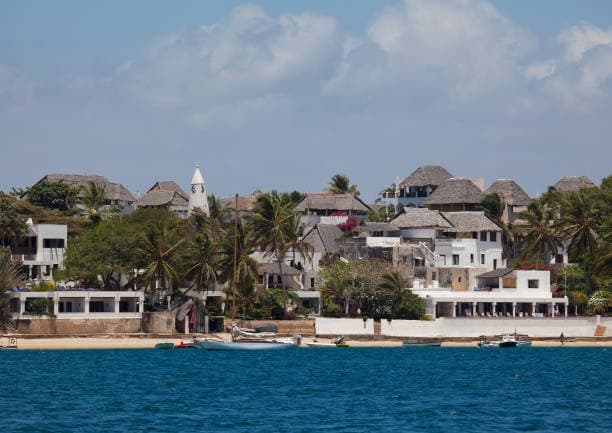
Unlike the northern half of the island, known as Stone Town, where Portuguese colonial stone buildings are concentrated, Makuti historically corresponds to the quarter of mud-brick houses with palm-thatch roofs—hence its name, which refers to these vegetable-thatched roofing. It is here that the majority of the island's population lives, and the atmosphere remains resolutely local: bustling market, fishermen returning from the sea, craftspeople at work. Visiting Makuti means grasping the contrast that structures Mozambique Island between colonial architecture and traditional Swahili habitat.
History and heritage
Mozambique Island was one of the major stops on the Portuguese maritime route to the Indies from the 16th century onwards, then the capital of colonial Mozambique until 1898. The southern part of the island, Makuti, grouped together the African population and Swahili and Indian communities linked to trade. The old wooden warehouses that still line the quay testify to this era when the port served for the export of agricultural products, particularly cashew nuts, tropical fruits, coffee and spices. The urban fabric today blends Portuguese heritage, Arab-Swahili influences and Bantu traditions.
What to see and do
The quarter and its goldsmith workshops
Makuti is home to goldsmiths who practice metalwork—primarily silver—using techniques passed down from generation to generation. Several workshops open their doors to visitors and offer bracelets, rings and pendants crafted on-site.
Religious buildings
The cathedral and mosque on the island illustrate the ancient coexistence between Portuguese Catholicism and Swahili Islam. Several smaller places of worship dot the streets of Makuti and mark the daily life of residents.
The market and waterfront
The local market concentrates commercial activity: freshly landed fish, fruits, spices, capulana fabrics. The quay, lined with old warehouses, offers a view of traditional fishing pirogues.
Nearby sites
Since Mozambique Island is compact, almost all major sites are within a few minutes' walk of Makuti:
- The São Sebastião fortress, the oldest surviving European fort in sub-Saharan Africa, at the northern tip of the island.
- The Chapel of Nossa Senhora do Baluarte (1522), considered the oldest European building in the southern hemisphere.
- The House of Thirteen Wonders and the Palace of Vereadores, remnants of colonial administration.
- The Museum of Mozambique Island, which traces the history of the archipelago and maritime routes.
To extend your journey, Gorongosa National Park and the Bazaruto Archipelago are among the most striking natural destinations in Mozambique, though situated several hundred kilometers to the south.
When to go
The climate is warm and humid year-round, with average temperatures around 27°C. The rainy season runs from November to April, sometimes marked by tropical cyclones. The most favorable period extends from June to September: dry, sunny weather and more comfortable temperatures for walking around the city.
How to get there
The relevant airport is Nampula (APL), served by domestic flights from Maputo. From Nampula, allow approximately 3 to 4 hours by chapa (minibus) or car to reach Mozambique Island, connected to the mainland by a single-lane bridge 3.5 km long. Pemba, located further north, is another regional entry point. On the island itself, the entire area is walkable: Makuti is about a twenty-minute walk from the bridge.
Frequently asked questions
Frequently asked questions
To incorporate Makuti and Mozambique Island into a complete itinerary, consult our tailor-made journeys to Mozambique.


Interested in this visit?
We can include it in your personalised itinerary.