Quirimbas Archipelago
Quirimbas Archipelago
32 coral islands off the coast of Cabo Delgado, between Swahili-Portuguese heritage, reefs and mangroves. Practical guide to prepare your visit from Pemba.
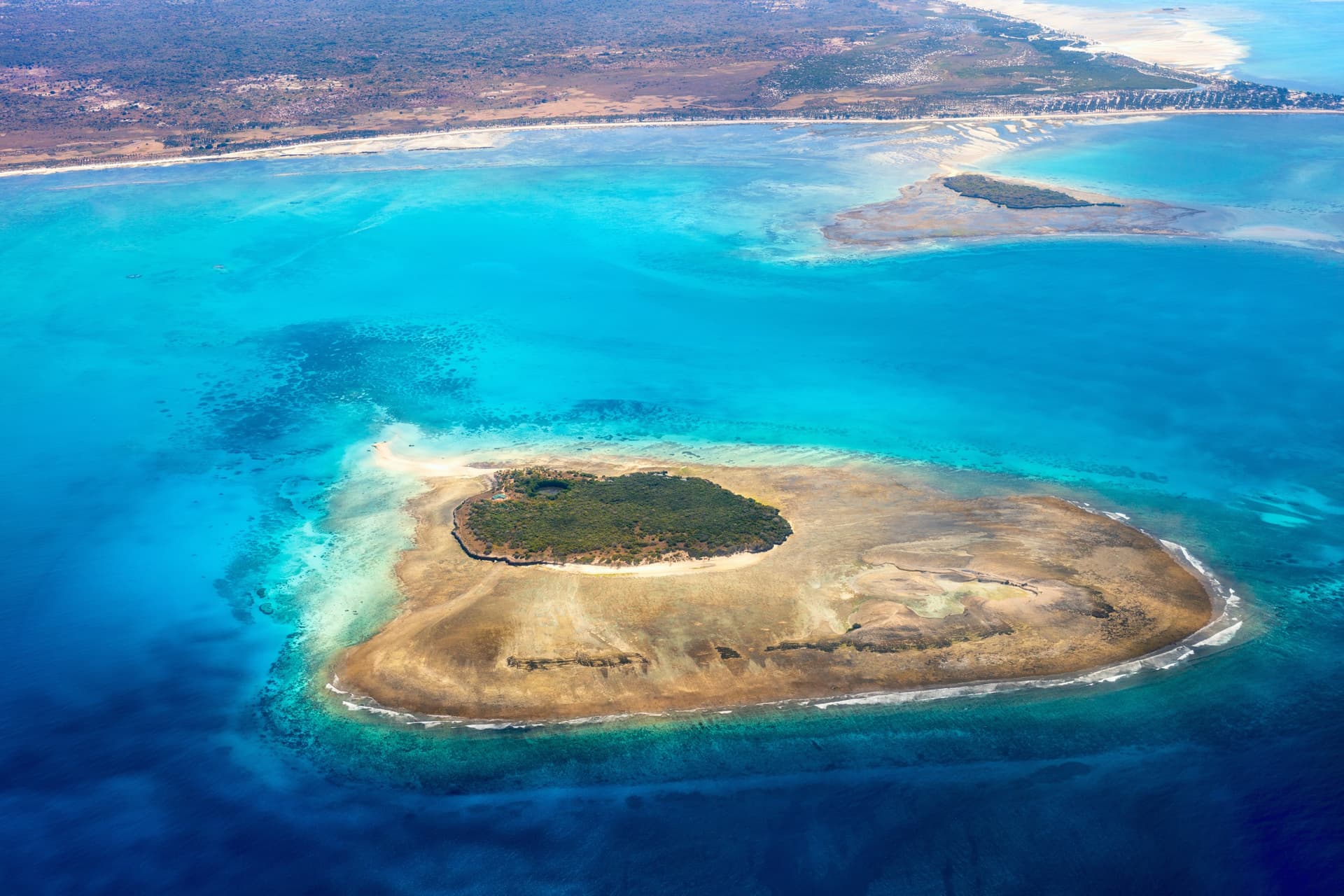
The Quirimbas Archipelago stretches nearly 400 kilometres along the northern coast of Mozambique, in Cabo Delgado province. Composed of 32 coral islands, it combines remnants of Swahili commerce, protected marine ecosystems and fishing villages. Part of the archipelago is incorporated into the Quirimbas National Park, established in 2002, which covers 11 islands including Ibo, Matemo, Quirimba, Quisiva and Medjumbe.
Why visit the Quirimbas Archipelago
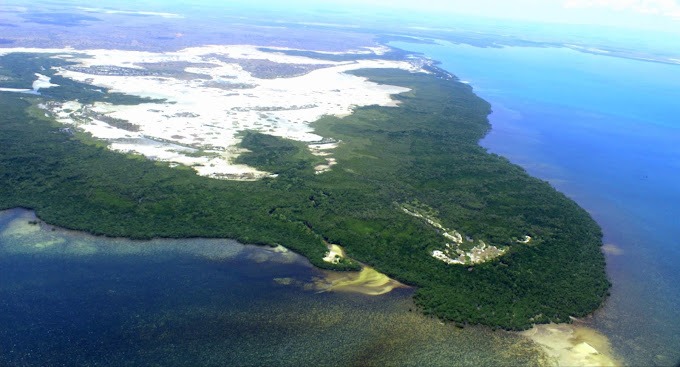
The Quirimbas stand out for the diversity of their ecosystems: coral reefs, mangroves, primary forests and baobabs coexist in a confined space. The waters surrounding the islands are home to sea turtles, dolphins, whale sharks, manta rays and dugongs, making it one of the most interesting diving sites in the western Indian Ocean.
The archipelago also retains strong heritage significance. Several islands, particularly Ibo, bear traces of the era when the region served as a commercial crossroads between East Africa, Asia and Europe.
Important security note: since 2017, Cabo Delgado province has been affected by an armed conflict involving insurgent groups. Access to the archipelago has been disrupted several times. Before any travel plans, consult updated recommendations from your Ministry of Foreign Affairs and inquire with local operators about the situation on your target islands.
History: a crossroads of the Indian Ocean
The Quirimbas long occupied a strategic position on Indian Ocean maritime routes. Arab, Indian, Chinese, Portuguese and African merchants established trading posts where spices, gold, ivory and slaves were exchanged. The island of Ibo, in particular, was an important Portuguese post from the 17th to 19th centuries.
Remnants of this history include coral stone forts, churches, colonial residences and a mixed urban fabric blending Swahili, Arab and Portuguese influences. On Ibo, artisans continue silverworking traditions inherited from this period of trade.
What to see and do
The main islands
- Ibo: the most historically rich, with its Portuguese forts and heritage centre.
- Matemo: white sand beaches and fishing villages.
- Quilalea: a small private island, renowned for diving and snorkelling.
- Vamizi: preserved coral reefs, turtle nesting site.
- Medjumbe: an isolated islet, mainly accessible to lodge guests.
Water activities and nature
- Scuba diving and snorkelling on coral reefs.
- Marine wildlife observation: turtles, dolphins, whale sharks (seasonal), manta rays.
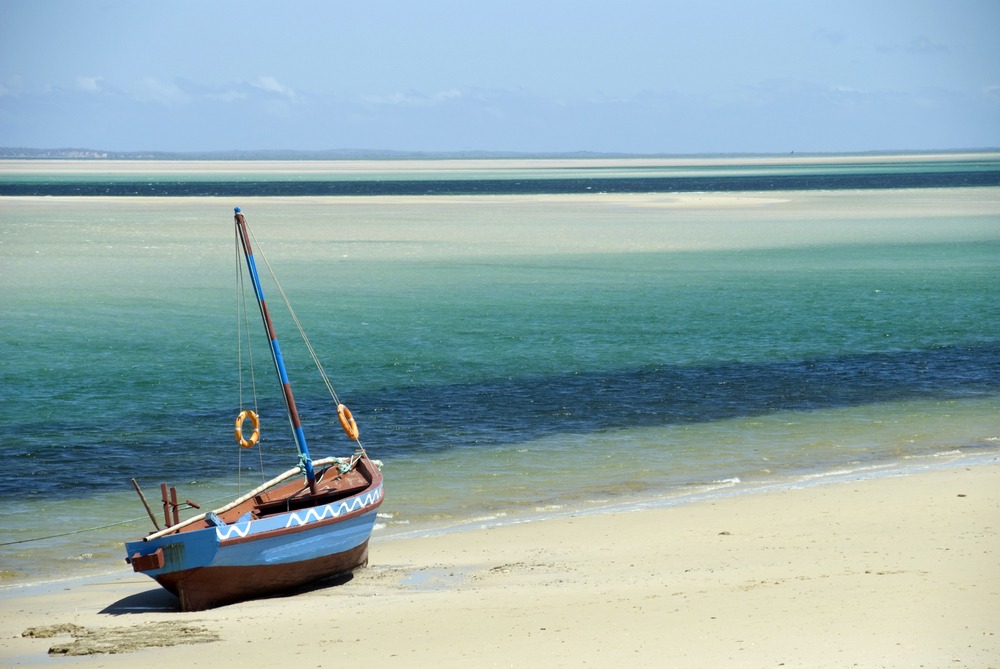
- Kitesurfing, sea kayaking and traditional dhow excursions in mangroves.
- Deep-sea sport fishing.
- Village visits, community encounters and local cuisine tasting (fish, coconut, spices).
Practical information
Accommodation on the archipelago is concentrated on a few lodges and guesthouses, often positioned in the luxury segment due to isolation. A few simpler options exist on Ibo and Matemo. Book well in advance, capacity is very limited.
Plan to carry cash in meticais (MZN) or dollars: card payments are rare outside lodges. Pack sunscreen, insect repellent and antimalarial treatment according to medical advice.
When to go
The climate is tropical. The dry season runs from April to September, with temperatures around 27°C and more manageable humidity: this is the most favourable period for diving and sailing. The rainy season, from October to March, sees temperatures rise slightly along the coast and humidity intensify. Cyclone risk is concentrated between January and March: best avoided for a beach stay.
How to get there
The entry point is Pemba, capital of Cabo Delgado province, located in northern Mozambique (over 1,500 km northeast of Maputo). Pemba is served by domestic flights from Maputo and, depending on the season, by some regional connections.
From Pemba, you can reach the islands by:
- light aircraft chartered by lodges (Medjumbe, Vamizi, Quilalea);
- motorboat from Pemba port or from Tandanhangue (embarkation point for Ibo);
- private sailing vessels for multi-island itineraries.
On site, travel between islands is by motorboat, sailing vessel, kayak or traditional dhow.
Nearby
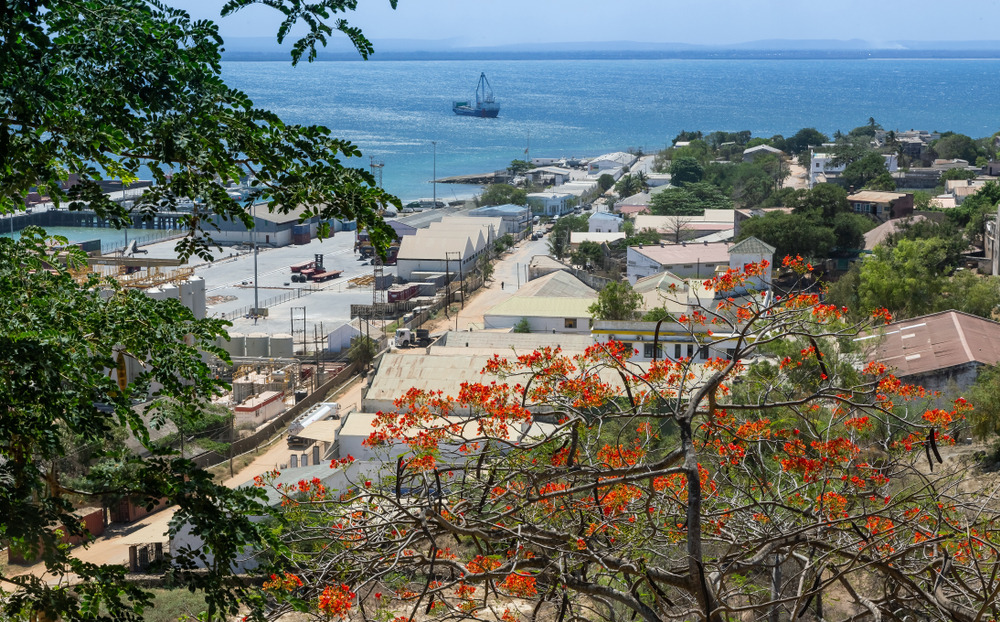
- Pemba: the transit city, with its bay and beaches.
- Macua village: for immersion in northern Mozambique culture.
- Gorongosa National Park: the country's major safari park, to combine on an extended itinerary.
Frequently asked questions
Frequently asked questions
Plan your trip
To incorporate the Quirimbas Archipelago into a custom itinerary in Mozambique, explore our Mozambique journeys and discuss feasibility with our advisors according to season and regional situation.
Interested in this visit?
We can include it in your personalised itinerary.