Stone Town
Stone Town
Stone Town, the historic heart of Mozambique Island, UNESCO-listed: 16th-century Portuguese fortress, palaces, churches and Swahili architecture.
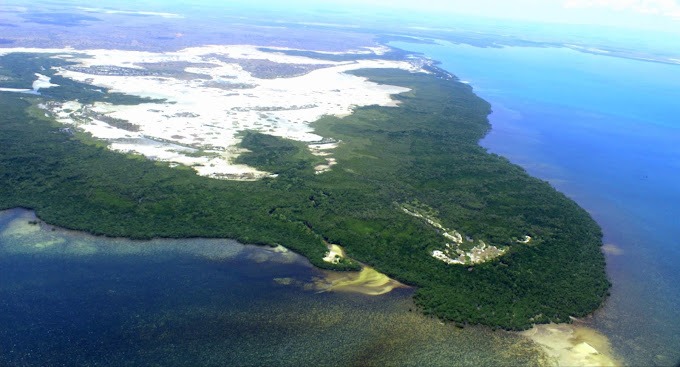
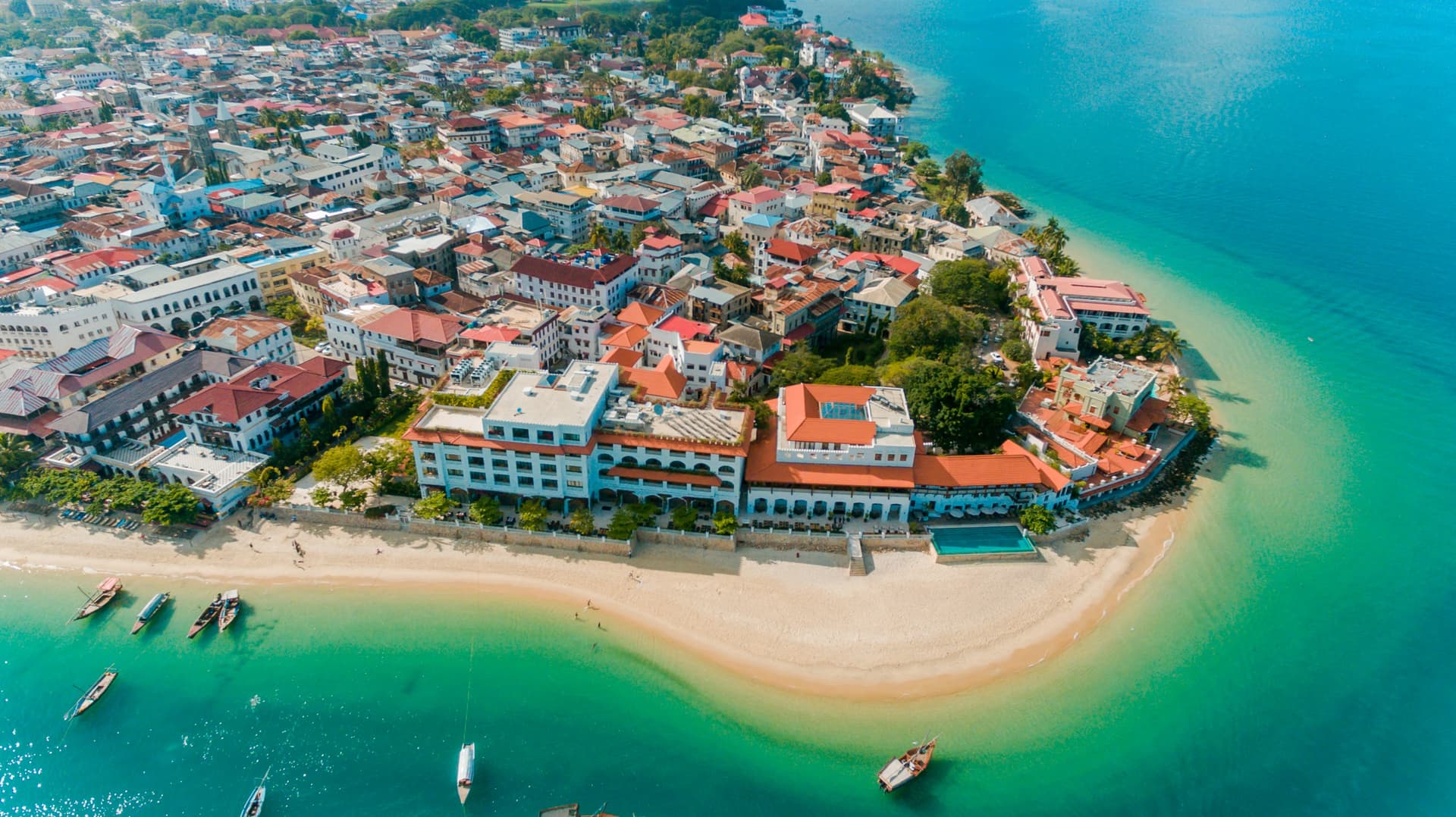
Stone Town, or Cidade de Pedra in Portuguese, occupies the northern tip of Mozambique Island in the Indian Ocean. This historic core concentrates a fortress, palaces, churches, mosques and temples within a few hundred metres. Inscribed as a UNESCO World Heritage site since 1991, the ensemble testifies to five centuries of exchange between Africa, Europe, India and the Arab world.
Why visit Stone Town
Stone Town's main appeal lies in the density of its heritage. Over a small area, Swahili architecture stands alongside Portuguese colonial buildings from the 16th to 19th centuries, as well as active Hindu, Muslim and Christian religious structures. Paved alleyways lined with houses featuring carved doors and wooden balconies can be explored on foot in just a few hours.
The island remains inhabited, and the old quarter functions as a living centre: markets, schools, places of worship, artisan workshops. A visit thus combines historical understanding with observation of daily life.
History of Stone Town
The city was founded in the 14th century by Swahilis from Kilwa, on the Tanzanian coast. It served as a stopover in the Indian Ocean trade network, linking the East African coast to the Arab-Persian and Indian worlds.
The Portuguese settled there from 1507 onwards and established a trading post and then a fortress. The island became a strategic platform for trading spices, gold, ivory and, later, enslaved people, on the maritime route between Europe and India.
The city's heyday was in the 18th century. Decline began in the 19th century with the gradual abolition of the slave trade. Capital of Portuguese East Africa until 1898, it lost this status to Lourenço Marques, today's Maputo. UNESCO inscription in 1991 confirmed its heritage value and initiated restoration programmes.
What to see
São Sebastião Fortress
Built in the 16th century, it is the oldest Portuguese construction in sub-Saharan Africa. Constructed to protect the island from pirate attacks and European rivals, it retains its massive walls and today houses a museum space dedicated to the island's history.
Chapel Nossa Senhora de Baluarte
Constructed in 1522 within the fortress walls, it is considered Mozambique's oldest still-standing church. Its austere architecture, in the late Manueline style, contrasts with later Baroque buildings.
Cathedral Notre-Dame-de-l'Assomption
Dating from the 18th century, it is recognisable by its octagonal bell tower. The Baroque interior preserves original liturgical furnishings and altars.
Saint-Paul Palace
Residence of Portuguese governors until 1898, the building was restored in neoclassical style. It now houses a cultural centre and museum displaying furniture, liturgical objects and colonial collections.
Casa do Capitão
Built in the 19th century in an unusual neo-Gothic style for the region, it now houses Ministry of Culture offices.
Places of worship
The Church of Saint Anthony of Padua, the Shree Swaminarayan Mandir Hindu temple and the Ismaili Jamatkhana centre illustrate the coexistence of communities on the island. Several are accessible to visitors outside times of worship.
Practical information
- Allow half a day to a full day to explore the old quarter on foot.
- Entry to São Sebastião Fortress and Saint-Paul Palace museum is charged (moderate fee, payable in meticais).
- Modest clothing is recommended when visiting mosques, temples and churches.
- The alleyways are walkable on foot; a tuk-tuk or bicycle allows you to reach the residential part of the island, known as Makuti Town.
- Bring water and sun protection: little shade in the main streets during midday hours.
When to go
The climate is tropical, with average temperatures around 25°C throughout the year. The dry season, from May to October, offers the best visiting conditions: clear skies, lower humidity, calm seas. The rainy season runs from November to April and may be accompanied by cyclonic episodes in January–February, which can disrupt boat connections.
How to get there
Access is generally made in two stages. Domestic flight from Maputo to Nampula, the nearest airport, then by road to Mozambique Island (approximately 180 km, allow 3 to 4 hours). The island is connected to the mainland by a single-lane bridge approximately 3.5 km long. Road connections exist from Pemba or Nacala for travellers already on the northern coast.
Surroundings
Once on the island, several short excursions extend your visit:
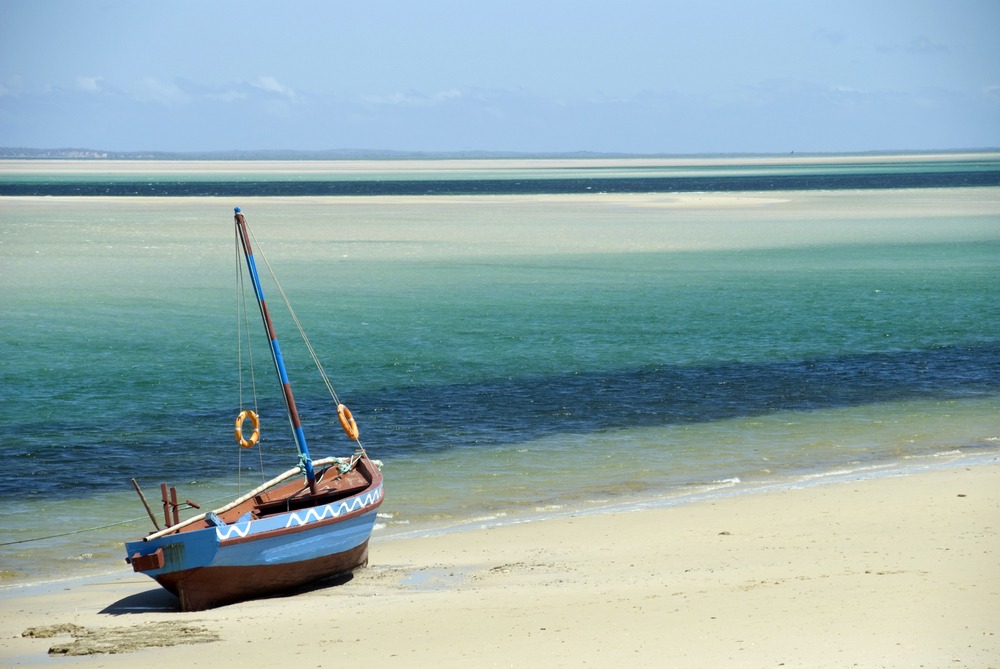
- A sail in a dhow, the traditional sailing vessel of the Swahili coast, towards neighbouring islets of Goa and Sete Pancadas, with stops for snorkelling.
- Discovery of Macua, a village of the eponymous people settled on the mainland, to explore local culture beyond built heritage.
- A detour to Gorongosa National Park, further south, to complement your stay with a nature component.
- The Masorini archaeological site will interest travellers wishing to extend their historical exploration of the region.
Frequently asked questions
Frequently asked questions
A full day allows you to see the main monuments (fortress, cathedral, Saint-Paul Palace, Baluarte Chapel) and stroll through the alleyways. Two days are comfortable if you wish to add a dhow outing and explore Makuti Town.
Both sites share Swahili roots and UNESCO inscription, but Stone Town on Mozambique Island is older and marked by Portuguese presence, whereas Stone Town on Zanzibar reflects more Omani and British influences.
It's not compulsory, but a local guide provides useful insights into the history of buildings and community life. Guides can be found on site, particularly near the fortress.
Yes, a few small beaches border the island and neighbouring islets offer better conditions, accessible by dhow during half-day excursions.
Planning your trip
Stone Town is an ideal heritage stop within a broader itinerary combining the northern coast, national parks and inland villages. To build your tailor-made trip, consult our Mozambique voyages.

Nearby

Interested in this visit?
We can include it in your personalised itinerary.