Bazaruto Archipelago
Bazaruto Archipelago
Five islands designated a national park since 1971, dunes, mangroves and one of the last refuges for dugongs in East Africa, accessible from Vilanculos.
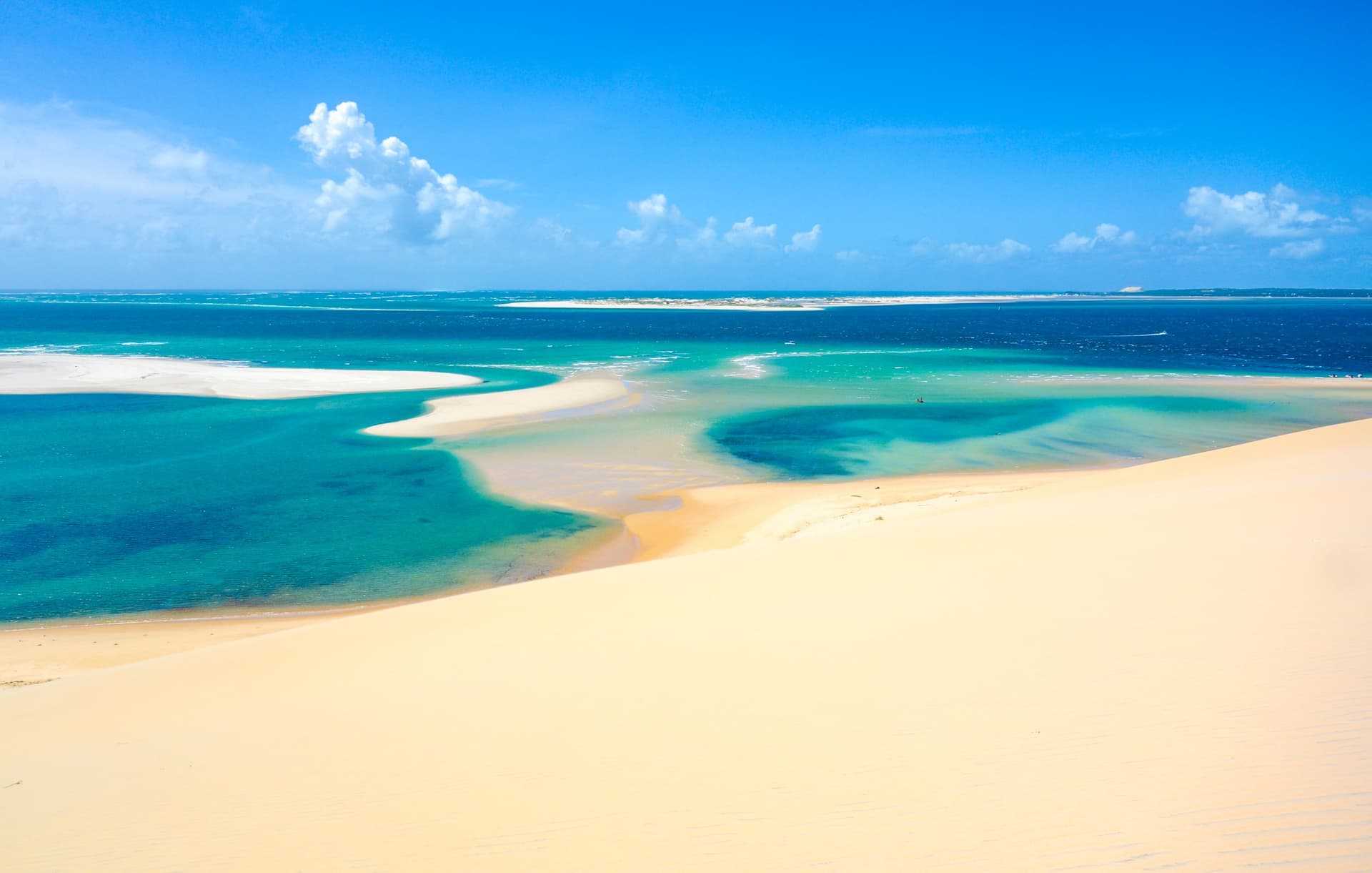
Off the coast of Inhambane, the Bazaruto Archipelago comprises five sandy islands bordered by coral reefs, mangroves and towering dunes. Protected as a national park since 1971, it is home to the last significant population of dugongs in southern Africa as well as a rich avifauna of more than 170 species. Vilanculos, on the mainland, serves as the gateway to these islands accessible by boat or helicopter.
Why visit the Bazaruto Archipelago
The archipelago combines three environments rarely found in the same area: a sand bar that can reach several dozen metres in height, interior mangrove forests and an extensive coral complex. This mosaic explains its designation as the first marine sanctuary managed by African Parks, in partnership with Mozambique's National Administration of Conservation Areas (ANAC).
The site's appeal lies as much in its biodiversity as in its relative preservation: few permanent structures, no towns on the islands, and regulated access that limits visitor numbers. Travellers come here for diving, cetacean watching in season, birdwatching and dune landscapes, rather than mass beach tourism.
History and Protected Status
The archipelago was declared a national park in 1971, making it one of Mozambique's oldest protected areas. Originally, the perimeter concerned mainly the southern islands before being extended to the marine zone, which now constitutes the bulk of the protected area.
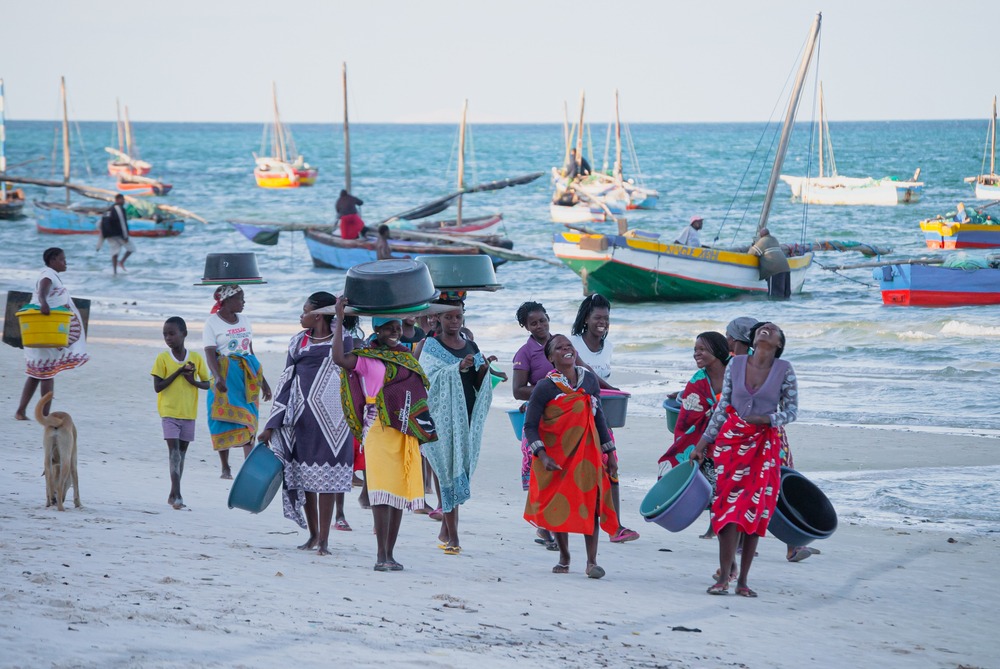
Since 2017, management has been carried out by African Parks alongside ANAC. It was then the first strictly marine sanctuary entrusted to the South African NGO. Missions combine anti-poaching surveillance, scientific monitoring of dugongs and turtles, and work with fishing communities in Vilanculos and the inhabited islands.
The Islands and What to See
The archipelago stretches approximately 55 km from north to south and comprises five main islands: Bazaruto, Benguerra, Magaruque, Santa Carolina and Bangue. Bazaruto, which gives its name to the whole, measures 35 km long by 7 km wide: it is the largest. It is located around 600 km north of Maputo as the crow flies. Administratively, the archipelago is attached to Vilankulo district, in Inhambane province.
Bazaruto: dunes and mangroves
The main island alternates long beaches, interior freshwater lagoons and mobile dunes reaching over 100 metres. Mangrove forests are home to the blue monkey (Cercopithecus mitis), as well as galagos, small antelopes and several reptile species. A walk to the top of the dunes offers a wide panorama of the channel separating the islands from the mainland.
Benguerra and Two Mile Reef
Between Benguerra and Bazaruto, the reef known as Two Mile Reef is one of the most famous diving sites on the East African coast. Depending on depth, it can be explored by snorkelling or scuba diving. Schools of trevally, green turtles, moray eels, sometimes manta rays and, in season, sharks are encountered here. Conditions are generally favourable outside the monsoon season.
Magaruque and Santa Carolina: birdwatching
More discreet, these islands concentrate a large part of the 170-plus bird species recorded in the park, including pelicans, flamingos and several migratory waders. Santa Carolina, once equipped with a hotel now in ruins, retains a particular atmosphere mixing degraded built heritage and nature reclaimed by vegetation.
Emblematic Marine Fauna
Bazaruto is known to harbour what is considered the last significant residual population of dugongs on the East African coast. Encounters remain rare and depend on season and luck. Humpback whales pass offshore during migration and are regularly observed in August, from the boats of Vilanculos operators. Dolphins and turtles are seen year-round.
When to Go
The dry season, from May to October, remains the most comfortable period: temperatures between 15 and 25 °C, little rain, sea generally calmer. It is also the privileged window for diving and humpback whale watching, especially in August.
From November to April, the rainy season brings heat, humidity and a significant cyclone risk, particularly in February and March. Tourist facilities often remain open, but boat transfers can be cancelled in rough seas.
How to Get There
The entry point is Vilanculos, a coastal town located approximately 740 km north of Maputo by road. Vilanculos airport receives direct flights from Johannesburg (approximately 2 hours) as well as domestic connections from Maputo. From Vilanculos, transfer to the islands is by boat (45 minutes to 1.5 hours depending on the island) or by helicopter for lodges that offer this service.
For getting to Vilanculos from inland or from the south, see our Vilanculos guide.
Practical Information
- Accommodation: exclusively in lodges on inhabited islands (Bazaruto, Benguerra), or hotels and guesthouses in Vilanculos for day visits.
- Entry fees: park access fee applies, usually included in organised excursions.
- Diving: certified centres in Vilanculos and at lodges; more stable conditions outside the rainy season.
- Health: malaria zone, arrange preventive treatment and insect repellent.
- Currency: Mozambican metical; South African rands and dollars often accepted at lodges.
Other Sites in the Region
Mozambique has other complementary sites for a stay at Bazaruto:
- Gorongosa National Park for wildlife in the centre of the country.
- Inhaca Island, closer to Maputo, for a beach break in the south.
- Lurio Waterfall for travellers venturing further north.
Frequently Asked Questions
Frequently asked questions
Allow a minimum of 2 to 3 days to combine a snorkelling day at Two Mile Reef, an excursion on Bazaruto's dunes and a birdwatching outing. Lodge stays on Benguerra or Bazaruto typically last 3 to 5 nights.
Yes. Vilanculos operators offer day boat excursions to Magaruque, Benguerra or sandbanks, with snorkelling gear included. This is the most accessible option for those not staying on the islands.
The best window is in August, during their migration. Sightings are possible between July and October depending on the year.
No. The population is residual and the animals are shy. Encounters do happen but are a matter of luck, even for local operators who know their habitats.
February and March, due to the peak rainy season and cyclone risk over the Mozambique Channel.
Prepare Your Trip
The Bazaruto Archipelago is generally part of a wider circuit combining Mozambique's coast and neighbouring parks. To build a bespoke itinerary, consult our Mozambique travel suggestions.
Interested in this visit?
We can include it in your personalised itinerary.