Inhaca Island
Inhaca Island
Forty kilometres off the coast of Maputo, Inhaca Island combines white-sand beaches, coral reefs, 300 bird species and a rich history linked to the Indian Ocean trade routes.
Inhaca Island lies roughly forty kilometres off the coast of Maputo, in the bay that frames Mozambique's capital. Stretching some twelve kilometres in length, it combines white-sand beaches, mangroves, sheltered lagoons and a historical heritage tied to the great maritime routes of the Indian Ocean. It stands as the most accessible beach escape from Maputo.
Why visit Inhaca Island
Three elements justify the crossing. First, a well-preserved natural setting: the marine research station of Eduardo Mondlane University has studied coral reefs there since the 1950s, contributing to the protection of portions of the coastline. Second, rich wildlife, particularly avifauna, with around 300 bird species recorded among residents and migrants. Finally, a lesser-known historical dimension: Inhaca served as a contact point between Portuguese and British mariners and local populations for nearly four centuries.
The island remains intimate in scale and can be explored on foot or by bicycle, without significant motorized traffic. Allow two to three days to complete a full circuit on foot.
History
Inhaca Island was still connected to the mainland roughly 7,000 years ago, before rising sea levels isolated it in Maputo Bay. It is mentioned in Portuguese accounts following Vasco da Gama's passage around 1498, during his first voyage to the Indies.
In the 1500s, integrated into Portuguese Mozambique, it served as a trading post for ivory commerce from the interior. In 1552, the galleon S. João wrecked off the Natal coast; survivors trudged along the shoreline on foot for more than three months before reaching Inhaca, where the inhabitants offered them hospitality until the next merchant vessel arrived. This account, one of the most celebrated Portuguese shipwreck narratives, was preserved in the História Trágico-Marítima.
From 1823 to 1875, the British occupied the island to monitor slave traffic along Africa's eastern coast, while the territory formally remained Portuguese. They withdrew following the MacMahon Treaty of 24 July 1875, which recognized Lisbon's sovereignty over Lourenço Marques Bay.
What to see and do
Beaches and lagoons
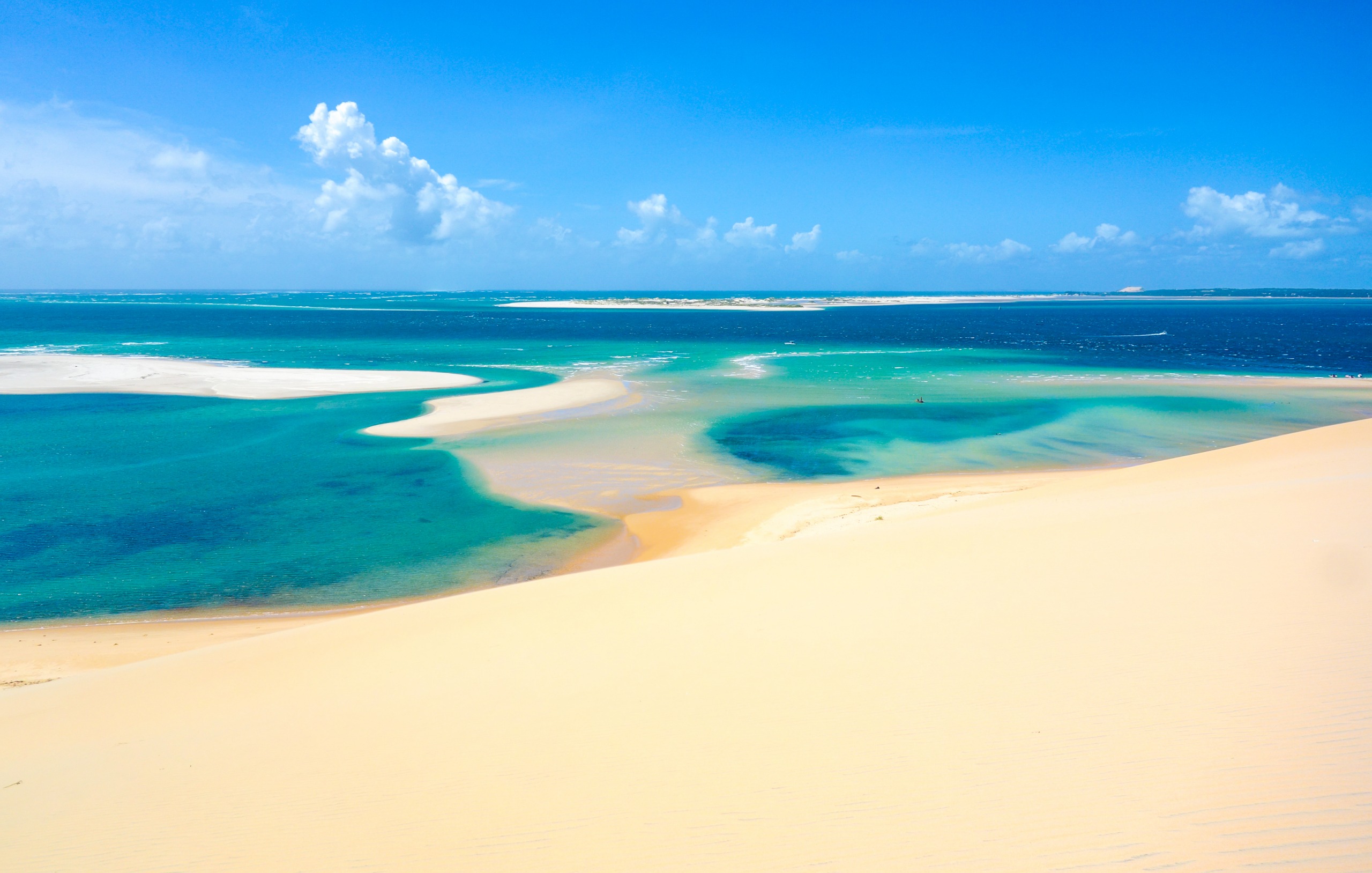
The sheltered western coast overlooks the bay and offers calm waters suited to family swimming and kayaking. The eastern coast, exposed to the Indian Ocean, features more open beaches and a fringing reef accessible at low tide. The lagoon north of the island remains a recognized snorkelling site, with coral fish visible within metres of the surface.
Diving and snorkelling
Several centres organize outings to nearby reefs. The most popular sites lie north of the island and around the coral banks of the marine park. Visibility conditions are best during the dry season.
Birdwatching
With around 300 species recorded, Inhaca is a recognized birding destination. You may observe threatened species such as the pink-backed pelican, crab plover, Mongolian plover, mangrove kingfisher, spotted thrush, grey-rumped swallow, African fish eagle, crested tern, great sand plover and Terek sandpiper. The mangroves and mudflats north of the island concentrate most sightings.
Hiking and cycling
Trails traverse the island from west to east, connecting the main villages, lighthouse and mangrove zones. A complete island circuit on foot takes two to three days, with short stages suited to leisurely trekking. Bicycle rental is available through accommodation providers.
When to go
The best period runs from May to September, during the dry season. Temperatures remain pleasant, humidity is lower and the sea offers good visibility for diving. January to March brings heavy rainfall and cyclone risk along the Mozambique coast; best avoided for a beach stay. The shoulder months (April, October) offer an attractive alternative, with fewer visitors.
How to get there
By ferry from Maputo
The Nyelete ferry connects Maputo to Inhaca from the landing stage at the end of the jetty on Avenida 10 de Novembro. It operates several days per week (typically Monday through Sunday, excluding Tuesday and Thursday), with early morning departures. The crossing takes approximately two to three hours depending on conditions. Check schedules and availability locally before departure, as times may vary.
By air
Charter flights link Maputo to Inhaca's airstrip in around fifteen minutes. This is the fastest option, best for short stays. Rates depend on aircraft type and passenger numbers.
Practical information
Accommodation. Supply concentrates around the main village and western coast: lodges, small hotels and guesthouses. Capacity is limited; advance booking is recommended during high season.
Supplies. A few shops stock basic goods, but selection is restricted. It is recommended to bring from Maputo what you deem necessary (medicines, specific items, snacks).
Currency. The local currency is the Mozambican metical (MZN). There is no reliable ATM on the island; plan to carry cash from Maputo. Some accommodations accept South African rand or dollars.
Health. The area is malaria-endemic; preventive treatment and mosquito protection are advised.
Nearby
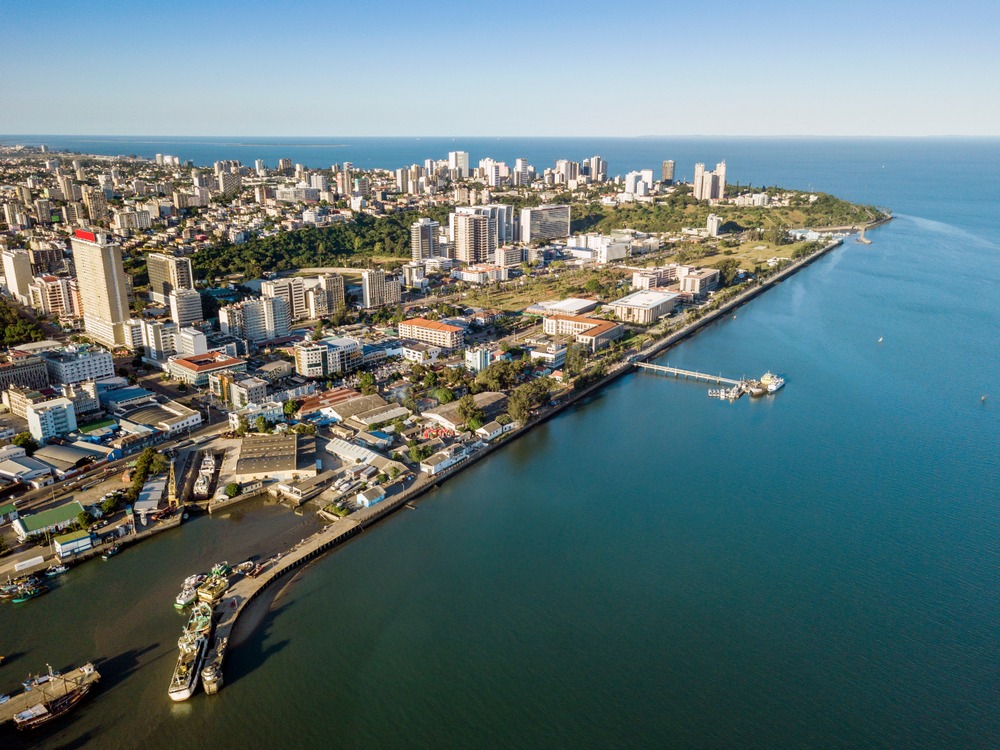
- Maputo, your essential departure point, merits one or two days for its architecture, markets and waterfront.
- Ilha dos Portugueses (Portuguese Island), a small uninhabited islet north of Inhaca, is accessible by boat for a day trip and offers snorkelling over clear waters.
- Gorongosa National Park, further north, complements your stay for travellers wishing to extend their wildlife experience on land.
Frequently asked questions
Frequently asked questions
Two to three days allow you to circuit the island on foot, enjoy the beaches and organize a boat excursion. A day trip from Maputo is possible but limits the experience.
Yes. The western coast beaches are calm and the absence of traffic makes walking and cycling simple with children.
Diving is possible throughout the year, but visibility and sea conditions are best during the dry season, May to September.
Most European travellers require a visa, available in advance or on arrival depending on nationality. Check current requirements before departure.
Plan your stay
Inhaca fits easily into an itinerary combining Maputo, southern Mozambique's coast and, for longer stays, regions to the north. To build a tailor-made journey including the island, explore our itinerary suggestions on Mozambique.
Interested in this visit?
We can include it in your personalised itinerary.