Maputo
Maputo
A vibrant capital blending cultures, Maputo combines colonial architecture, bustling markets and tropical beaches. Complete guide to planning your stay.
The sun-drenched city of Maputo brings together diverse points of interest, countless attractions and welcoming people. Plan for at least four days to experience Mozambique's largest fair, explore parks, visit museums and historic buildings, relax on the beach or take part in various attractions throughout the city and surrounding areas. A stay in Maputo is an unmissable stop on any Mozambique itinerary.
History
Maputo was once a small village sustained by ivory trade.
In 1502, the region and village were discovered by the Portuguese. Because Maputo held strong appeal for Europeans, it was successively controlled by the Dutch, Austrians, French and Portuguese. It was developed and transformed into military and trading posts. The city has retained some remnants of this European occupation.
Maputo was known as "Lourenço Marques." This name derives from a Portuguese merchant who explored Baía da Lagoa in 1544. Until the 1970s, the city was cramped and impoverished, with narrow streets lined with houses and thatched dwellings.
Over the years, the city expanded, notably with the arrival of the railway in 1895. In 1898, it became the capital of Portuguese possessions in East Africa, allowing the Portuguese to maintain control over access to the Indian Ocean. Maputo thus inherited a colonial heritage from this era.
The city gradually transformed into a cosmopolitan and dynamic metropolis that began attracting tourists in the 1960s, thanks to its pristine white sand beaches.
On June 25, 1975, the People's Republic of Mozambique was proclaimed. Many signs of Portuguese occupation were erased, and Lourenço Marques was finally renamed Maputo, after the Maputo River. Following a period of severe poverty and civil war, Maputo has regained its lustre and leverages its strategic geographic location to thrive once again.
Discovering Maputo, Mozambique's Capital
Maputo is the capital and largest city of Mozambique. The city sits on a bay of the Indian Ocean at the country's far south and is located approximately 77 km from the South African border. Washed by the Indian Ocean, the city is also home to one of Africa's principal ports, the Delagoa Bay Port.
Maputo Central Station or Estação Central dos Caminhos de Ferro (CFM)
The central railway station (Estação Central dos Caminhos de Ferro), or Maputo Central Station, is one of Mozambique's iconic buildings. This structure was constructed between 1908 and 1910. The original architecture and style of the main dome will immediately catch your eye. Wait until you see the interior—you'll feel transported back in time. The old locomotives seem to hail from a distant era. One of these machines was part of the first line connecting Maputo-Pretoria. Also take a detour through the museum preserved on-site; entry costs 50 MT (meticais).
Nossa Senhora da Conceição Fortress
After visiting the station, don't miss the chance to explore this historic monument. The fortress is just under a kilometre from Maputo Central Station. The Nossa Senhora da Conceição Fortress, or Araçatuba Fortress, was built during the colonial era for military purposes. The Araçatuba Fortress you see today is a replica of the original. It suffered numerous attacks and was subsequently rebuilt. Learn about Mozambique's history through the artefacts, statues, cannons and more that you'll discover during your visit.
Independence Square
Continue your Maputo exploration at Independence Square, located just 700 metres from the Nossa Senhora da Conceição Fortress. This square has truly marked Mozambique's history. The statue of Samora Moisés Machel, the leader of the independence struggle and Mozambique's first president, dominates the square. At the back of the square, spot the city hall building. The design of this building was created by architects Carlos César dos Santos, Arnaldo Pacheco and Franz Keindl.
The Iron House
Finished exploring Independence Square? It takes just a few steps to reach the Iron House. Prefabricated in Belgium, this building's design was executed by Gustave Eiffel in 1892. Today, the Iron House serves as the headquarters of the Ministry of Culture and Tourism. You can freely view the interior and take a small tour of the premises. Objects from Mozambique's medieval cities are on display.
Maputo Central Market
It's impossible to exclude Maputo Central Market from our list. Established in the centre of Mozambique's capital, the market is a living hub not to be missed. Housed in a former colonial building, the central market is the perfect place to immerse yourself in the daily life of Maputo's residents and pick up some souvenirs. You'll find a multitude of products: tropical fruits, vegetables, spices, fresh fish, household items, clothing, souvenirs and more.
FEIMA, the Mozambican Crafts and Gastronomy Fair
Are you a fan of local craftsmanship? Take time to visit Feima, Mozambique's largest artisanal and gastronomic fair, held in Maputo. It's an open-air market where you can purchase a small souvenir for loved ones. Decorative objects, jewellery, capulanas (a type of sarong, the traditional garment worn in Mozambique), various accessories, flowers and more are displayed on the stands. It's an opportunity to fully immerse yourself in the country's culture and appreciate its exceptional art.
Inhaca Island
All visitors passing through Maputo remain in awe of Inhaca Island, located 30 kilometres from the capital. The beaches on this small island, adorned with coconut palms and palm trees, are truly breathtaking. The beauty of the verdant shores and the richness of the marine depths complete this idyllic picture.
Diving enthusiasts can observe turtles, magnificent colourful fish, starfish and many other aquatic species. Dolphins and whales are also on the agenda. Inhaca offers numerous water sports for visitors. Board a boat to explore this paradise island in a different way. Another must-see attraction: discovering the remnants of Arab shipwrecks abandoned on Inhaca Island.
Maputo Special Reserve
The Maputo Special Reserve (formerly called the Elephant Reserve) is located in Delagoa Bay. Situated approximately 100 km southeast of Mozambique's capital, plan for about an hour's drive to reach the park. Spanning an area of 774,000 hectares, the sanctuary showcases the richness and biodiversity of the African savanna. This protected area is home to elephants, giraffes, hippopotamuses and other large mammal species. Various bird species also nest in this protected zone.
Tasting Mozambican Cuisine
Mozambican cuisine is rich and diverse. If you love lobster, shrimp and crab, rest assured you'll be satisfied. Indeed, these are the region's specialities. In any case, it's also an opportunity to savour local flavours such as matapa, bolo polana and more. So make the most of it and indulge.
Other Points of Interest
If you have more time or if the opportunity arises, we've compiled a list of other interesting sites to visit:
- Tunduru Botanical Garden
- Natural History Museum
- Macaneta Beach, 30 kilometres from Maputo
- Ponta do Ouro, for water sports enthusiasts, 100 kilometres from Maputo
- Kruger National Park 120 kilometres from Maputo
Practical Information
By Air
To reach Maputo, the fastest way is to fly. Maputo International Airport (MPM) is just 5 kilometres from the city centre. From the airport, you can take a taxi for around 500 Meticais (approximately 8 US dollars).
By Train
Admittedly, rail services to Maputo are very limited. Nevertheless, trains run daily between Maputo and Ressano Garcia, on the South African border.
By Car
Take the N4 highway to reach Maputo from Johannesburg, South Africa. It's also possible to reach Maputo by bus from Johannesburg or Nelspruit. Several companies provide the connection from Johannesburg to Maputo, including Greyhound and Intercape.
When to Visit?
A trip to Maputo can take place throughout the year. As for the best time, it depends on your preferences. If the rainy season doesn't suit you, it's best to plan your visit between May and September. This is typically the dry season, with clear skies and pleasant temperatures. It's truly perfect for exploring the city and tourist sites in the surrounding areas. If you dislike crowds, avoid visiting during peak season, which runs from December to April. Note that this is also the season of heavy rains.
Attractions in Maputo
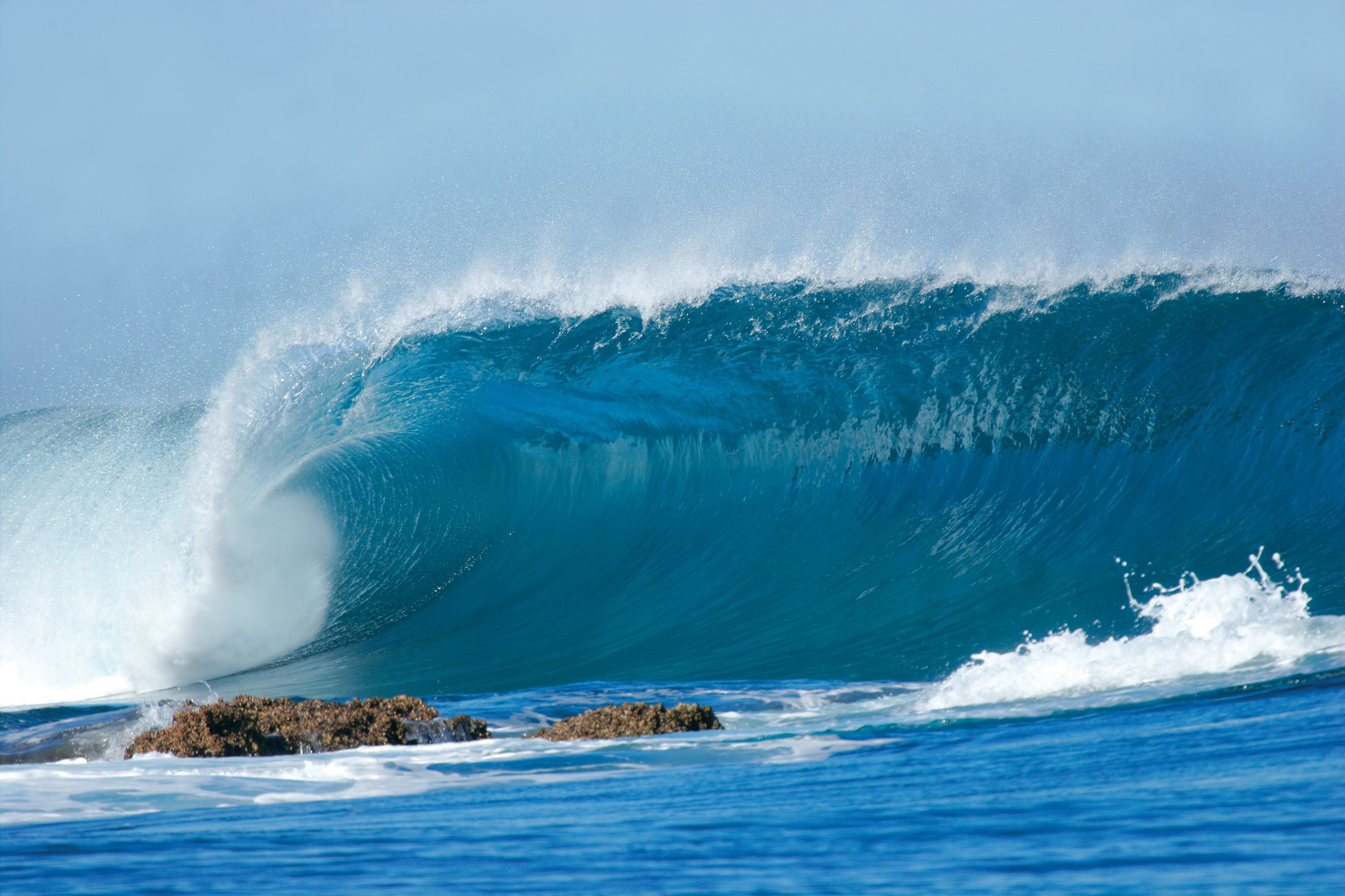
L’île d’Inhaca
À 40 km au large de Maputo, l'île d'Inhaca combine plages, récifs coralliens, 300 espèces d'oiseaux et un patrimoine historique lié aux routes de l'océan Indien.
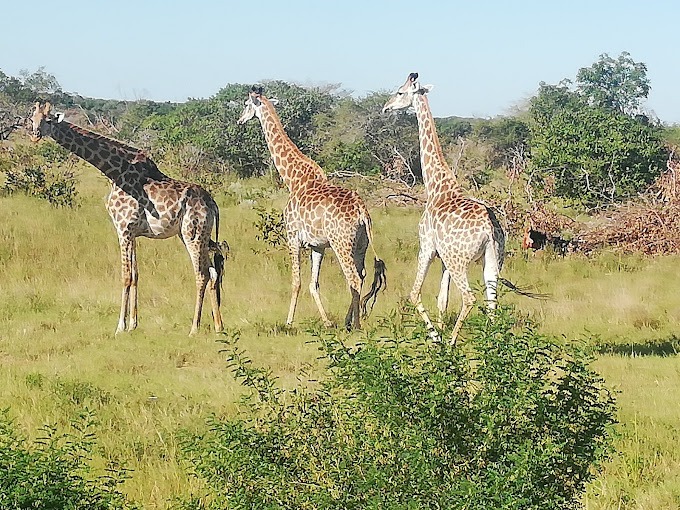
Réserve spéciale de Maputo
À 90 km au sud de Maputo, la réserve spéciale protège éléphants, mangroves et littoral. Guide pratique pour organiser votre safari au Mozambique.
Accommodation in Maputo
See all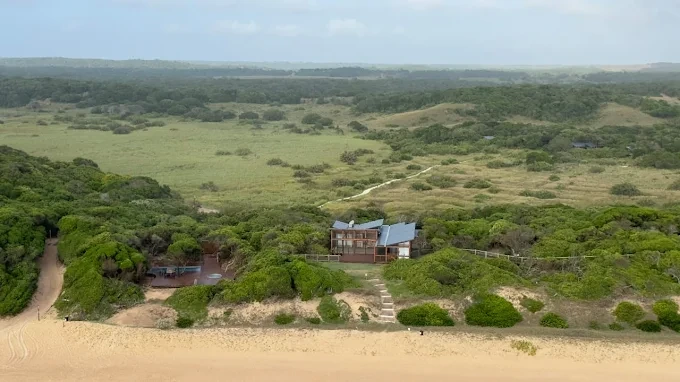
Ponta Membene
Lodge isolé du parc national de Maputo, accessible en 4x4, entre dunes, forêt côtière et océan Indien : safaris, sorties marines et plages désertes.
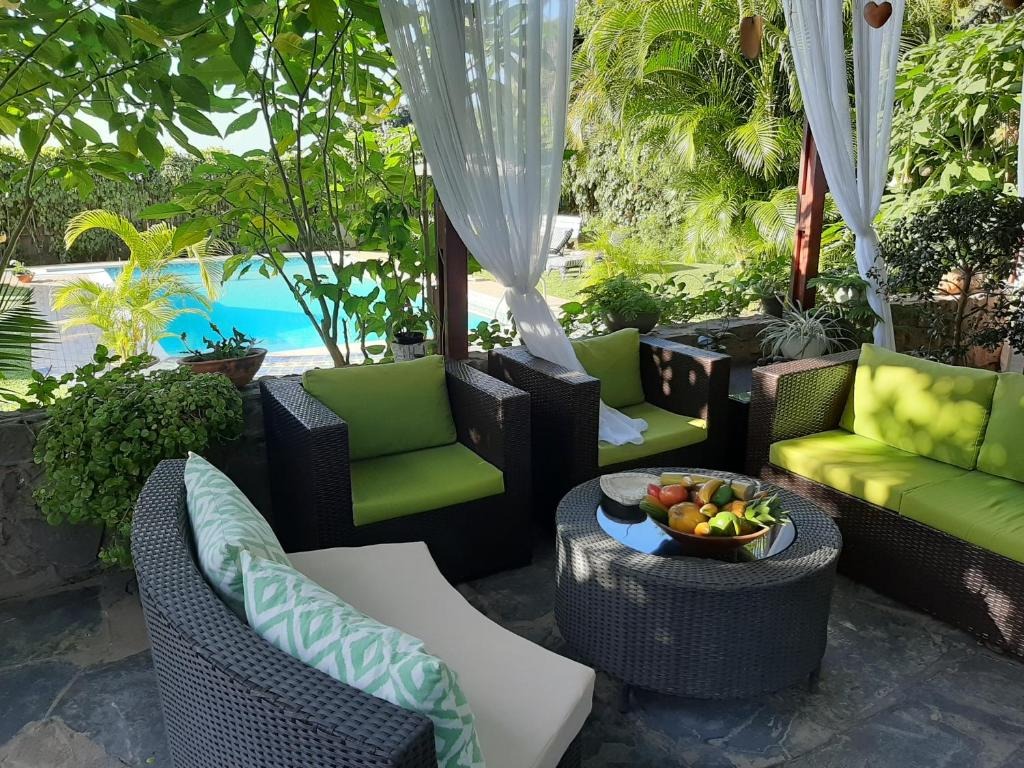
Figtree Guest House
Maison d'hôtes en centre-ville de Maputo, avec piscine dans un jardin verdoyant, chambres climatisées et vue sur la baie depuis les Deluxe.
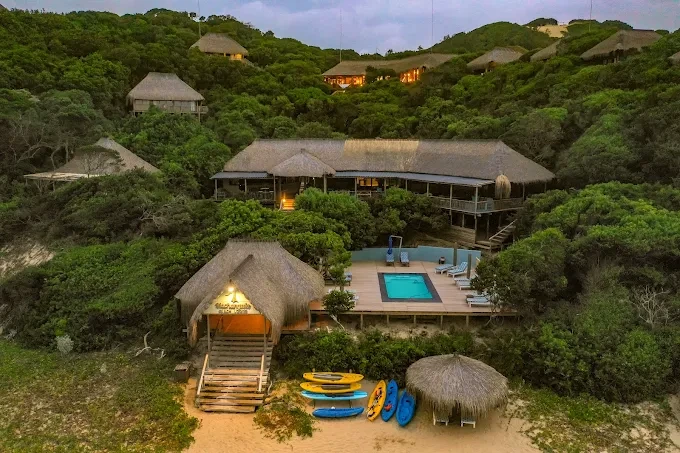
Machangulo Beach Lodge
Lodge de bord de mer entre l'île d'Inhaca et la baie de Maputo, accessible en 70 minutes de bateau, bordé de réserves terrestres et marines.
Want to discover this destination?
Our local advisors design your tailor-made trip.