Quirimbas National Park
Quirimbas National Park
UNESCO Biosphere Reserve in northern Mozambique, Quirimbas National Park combines a coral archipelago, mangroves and terrestrial wildlife.
Quirimbas National Park stretches along the northern coast of Mozambique, off Pemba. With more than 750,000 hectares, of which 80% consists of tropical islands, it combines a coral archipelago, mangroves, continental forests and a historical heritage linked to ancient Indian Ocean trade routes. It is one of southern Africa's largest protected areas, and a rare setting where marine conservation exists alongside the daily life of approximately 120,000 inhabitants.
Why visit Quirimbas National Park
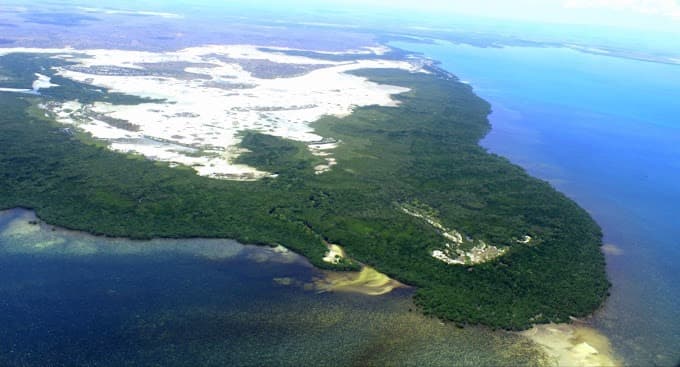
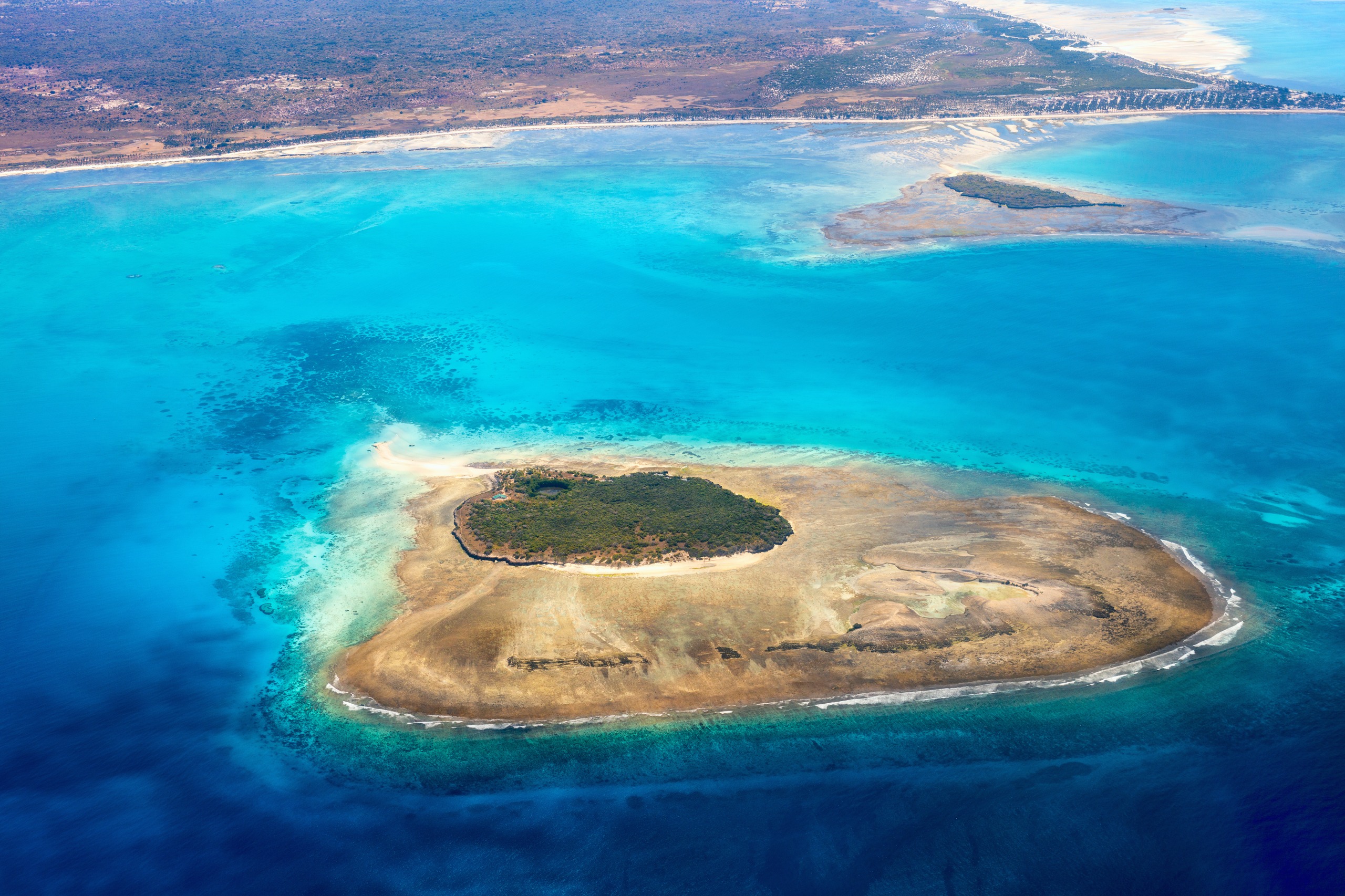
The park stands out for its dual nature, terrestrial and marine. On the ocean side, the Quirimbas archipelago comprises eleven islands fringed by coral reefs, some hosting isolated lodges and others remaining uninhabited. On the mainland side, miombo forests and wetlands are home to classic African wildlife: elephants, leopards, crocodiles. This continuity between bush and lagoon is rare at this scale on the East African coast.
The park is also recognized for its ecological richness: over 400 bird species, 4 cetacean species (including humpback whales in season), more than 160 coral varieties, 350 fish species and 6 mangrove species recorded. UNESCO designated it a Biosphere Reserve in 2018 under the Man and Biosphere programme.
History and creation of the park
The Quirimbas archipelago occupied a strategic position on trade routes connecting East Africa to India and Asia, long before European arrival. Swahili and Arab merchants made stops there for ivory, gold and enslaved people. In the 16th century, the Portuguese established themselves, notably turning Ibo Island into a fortified colonial trading post, with forts, coral stone buildings and goldsmith workshops still visible today.
Quirimbas National Park was officially established in 2002 by Mozambican authorities to protect biodiversity while encouraging low-impact tourism development. Its designation as a UNESCO Biosphere Reserve in 2018 reinforced this direction by explicitly involving local communities in the territory's governance.
What to see and do in the park
Islands of the archipelago
The marine park comprises 11 islands. Six are permanently inhabited—Ibo, Matemo, Quisiva, Quilalea, Quirambo and Quirimba—while five others remain mostly uninhabited (Quipaco, Mefundvo, Sencar, Fion and Rolas Island), visited mainly by seasonal fishermen. Ibo concentrates most of the Portuguese colonial built heritage: three 18th-century forts, a maze of alleyways, and a living tradition of silversmiths working filigree.
Diving and marine life
The Quirimbas reefs rank among the best-preserved in the western Indian Ocean. Dive sites around Vamizi, Quilalea and Matemo provide access to coral drop-offs, schools of jack and green and hawksbill turtles. Between July and October, humpback whales pass offshore during migration. Snorkeling is accessible directly from most island beaches.
Mangroves and coastal wildlife
Mangroves can be explored by kayak or traditional sailing pirogue (dhow), often with a local guide. They harbor swimming crabs, goliath herons, kingfishers and nurseries for many reef species.
Terrestrial wildlife
The park's mainland section, less frequently visited by tourists, is home to elephants, leopards, buffalo, Nile crocodiles and over 400 bird species, including raptors such as the African fish eagle. Wildlife viewing typically takes place through safaris organized from a few bush camps.
When to go
The dry season, from May to October, offers the best conditions: clear skies, calm seas, optimal underwater visibility and comfortable temperatures. It is also the period for observing humpback whales, between July and October. The rainy season, from November to April, brings humid heat, sometimes heavy showers and cyclone risk in January-February; some lodges close during this period.
How to get there
The gateway is Pemba, the provincial capital of Cabo Delgado, served by domestic flights from Maputo and, depending on the season, by regional connections from Johannesburg or Dar es-Salaam. From Pemba, you can reach the islands either by charter flight (expect 30 to 45 minutes to Ibo, Matemo or Vamizi) or by boat from Tandanhangue on the mainland coast, accessible by 4x4 from Pemba in a few hours.
Practical information
- Accommodation: ecological lodges on private islands, more modest guest houses and inns on Ibo. Booking is essential, especially during peak season.
- Entry fees: a conservation tax is charged, usually included in lodge packages. Rates differ for residents and non-residents.
- Health: malaria-endemic area, anti-malarial treatment recommended. Yellow fever vaccination required if arriving from a high-risk country.
- Rules: fishing subject to permit, collection of corals, shells and species prohibited. Respectful dress recommended in villages.
- Languages: Portuguese, Makua and Swahili on the coast; English-speaking staff in lodges.
Nearby
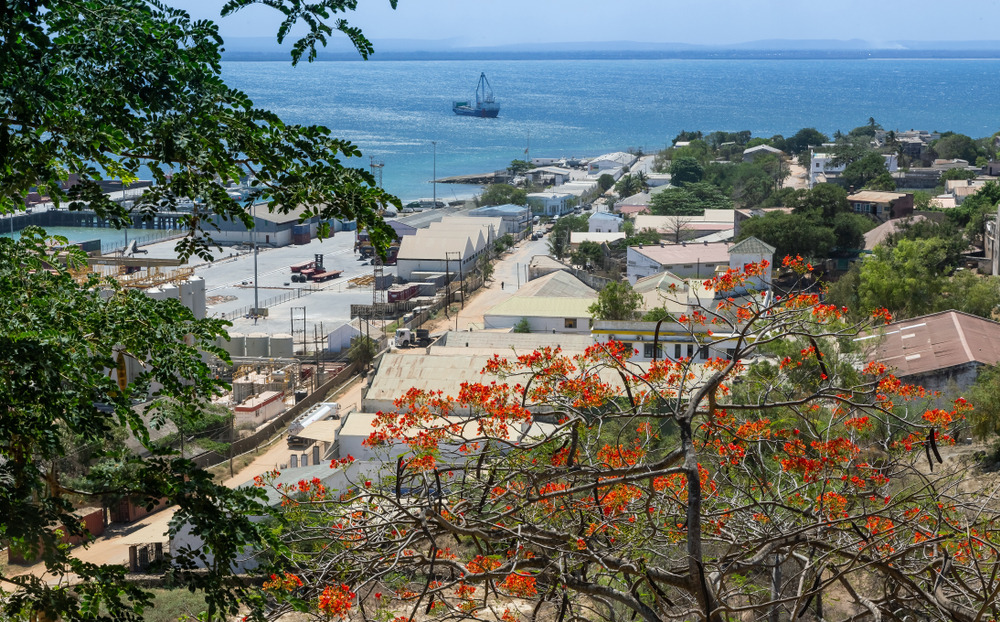
Pemba city serves as a logistics base and warrants a one or two-day stop for its bay (one of the world's largest natural bays) and Wimbe beach. Further south, Gorongosa National Park allows you to complement the marine experience with a major bush safari. For cultural insights, the Macua village offers a glimpse into the traditions of the eponymous people, who are the majority in northern Mozambique.
Frequently asked questions
Frequently asked questions
Plan for at least 4 to 5 nights to make the journey worthwhile and enjoy at least one island. A week allows you to combine Ibo (culture and history) with a diving-focused island like Matemo, Quilalea or Vamizi.
It is possible to reach Ibo via public boat from Tandanhangue, but most other islands depend on private transfers organized by lodges. Prior planning is strongly advised.
Yes, humpback whales pass offshore between July and October during migration. Four cetacean species frequent these waters, including dolphins.
Cabo Delgado province has experienced security tensions in recent years. Consult up-to-date recommendations from your foreign affairs ministry before traveling and prioritize tourist zones managed by operators.
From October to December, water is warm (28-30 °C) and visibility is maximum. The dry season overall (May to October) remains favorable, with calmer seas.
Plan your trip
To integrate Quirimbas National Park into a tailor-made itinerary in Mozambique, explore our Mozambique trips and speak with our regional specialists.
Interested in this visit?
We can include it in your personalised itinerary.