What to see and do in Maputo? Must-see attractions in Mozambique's capital
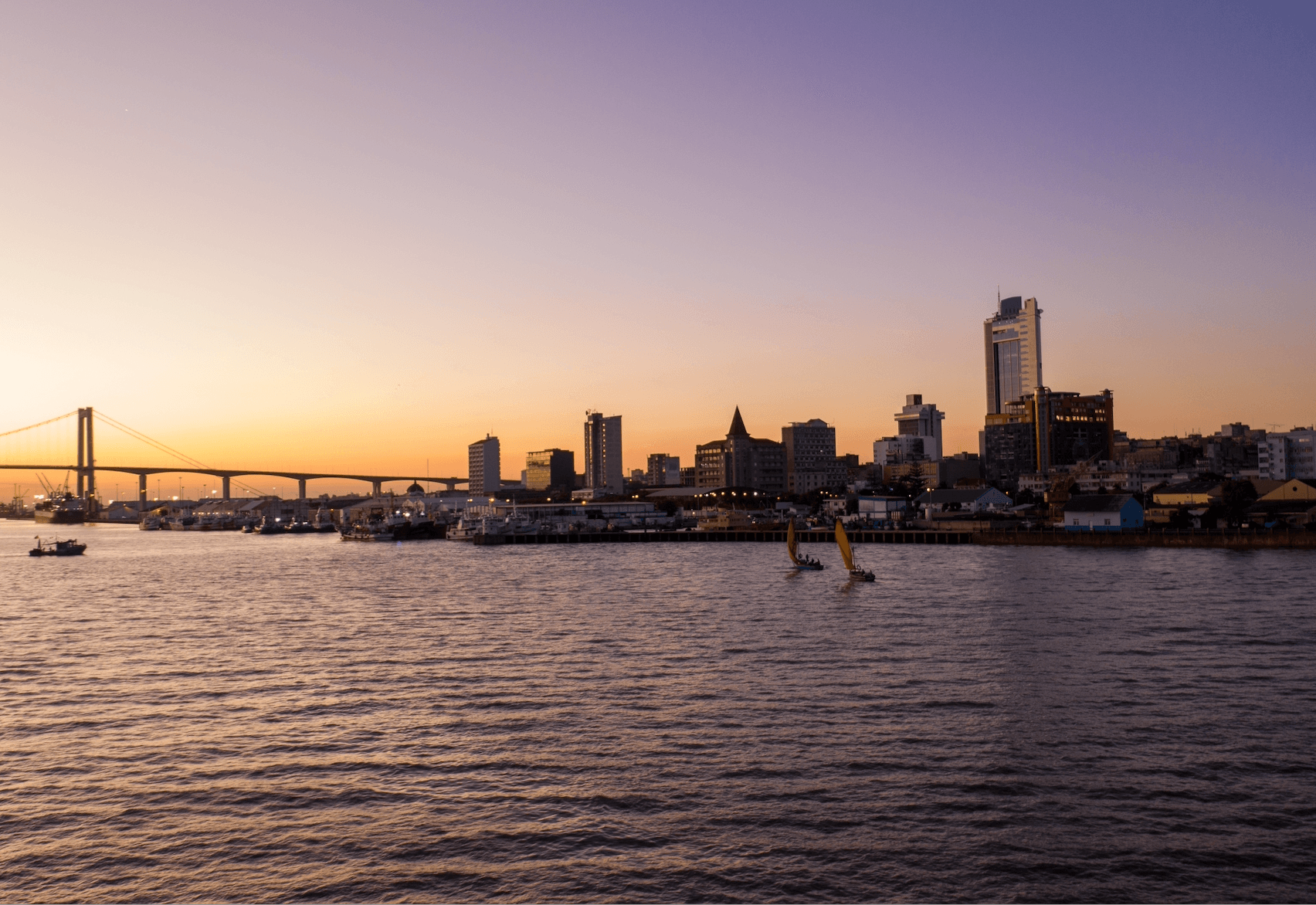
Bathed by the Indian Ocean at the country's southern tip, Maputo is the capital of Mozambique.
Bathed by the Indian Ocean at the country's southern tip, Maputo is the capital of Mozambique. Despite a heavy past shared between the colonial era and civil war (1977-1992), the city has become a dynamic capital perfectly blending modernity with tradition. It is in the lower city (baixa), considered the nerve centre of the city, that most points of interest are found. But what then to do and see in Maputo? Follow our guide...
Maputo Central Station
Also called the Central Railway Station, Maputo's central station (Estação Central dos Caminhos de Ferro in Portuguese) is among the emblematic must-sees of Maputo. Indeed, Mozambique's capital can boast having one of the most beautiful railway stations in the world. What makes it special? Its Beaux-Arts neoclassical architectural style with its massive dome, pillars and marble façade, and its ironwork evoking the construction of a palace.
Inside, you'll find the Maputo Central Station Museum (Museo dos CFM), which offers insight into the history of the station itself, as well as the ports and railways of Mozambique. Among the highlights are two magnificent vintage locomotives that you can explore.
It's worth noting that the design of Maputo's station, particularly its dome, is often attributed to Gustave Eiffel. In reality, Gustave Eiffel was not the author of the dome—it was designed by José Ferreira da Costa and constructed by the Evans & Ploughs company.
Fun fact... Maputo's central station served as a filming location for a scene in the film Blood Diamond starring Leonardo DiCaprio. |
Nossa Senhora da Conceição Fortress
Located less than a kilometre from Maputo's central station, the Nossa Senhora da Conceição Fortress (or Maputo Fortress) is a historic building that absolutely must be seen during a stay in Mozambique's capital.
The original structure of the site underwent numerous modifications throughout history. Originally, it was a fortified trading post built by the Dutch from the Cape. A new fortification was subsequently constructed by Austrian forces before the site was occupied by the Portuguese, who turned it into a military colonial settlement under the command of Joaquim de Araújo.
The fortification was eventually destroyed during fighting that followed the French Revolution and was rebuilt on its original foundations in 1946. Maputo Fortress now houses the Military History Museum.
Independence Square
Not far from Maputo Fortress, just 700 metres away, you'll find Independence Square (Praça da Independência in Portuguese). Originally built by the Portuguese under the name Praça Mouzinho de Albuquerque, it was dominated by a statue of Mouzinho de Albuquerque, the former governor-general of Portuguese Mozambique.
After Mozambique's independence in 1975, it was renamed Praça da Independência and the statue was replaced with one of Samora Machel, the leader of the struggle for the country's independence and Mozambique's first president.
During your visit, you'll see other emblematic buildings such as Maputo's city hall, located north of the square, and the Cathedral of Our Lady of the Immaculate Conception, situated to the east.
Cathedral of Our Lady of the Immaculate Conception
The Cathedral of Our Lady of the Immaculate Conception (Catedral de Nossa Senhora da Imaculada Conceiçaõ in Portuguese) is a relatively modern Roman Catholic cathedral, having been built in 1936 and inaugurated in 1944.
Constructed by Portuguese civil engineer Marcial Simões de Freitas e Costa, then director of railways, it stands out for its tall central tower, visible from much of the city. The engineer drew inspiration from the simple style and building materials of European churches of the period, using only concrete and cement for its construction!
The Iron House
Just a few steps from Independence Square stands the Iron House (Casa de Ferro in Portuguese), an architectural curiosity shrouded in mystery... It is a historic prefabricated iron monument whose structure was assembled from Belgium to Maputo in 1982.
Originally, it was intended to serve as a residence for the governor of Lourenço Marques district, but when its assembly in Maputo was completed, the building revealed a major flaw: it was impossible to live inside due to the heat and incompatibility of this type of material with the tropical climate. Thus, the Iron House was never truly inhabited.
Instead, it served as headquarters for various local and national institutions. Today it is used for offices of the Ministry of Culture. Open to the public, it stands as a fine example of the experimental use of iron in European colonial architecture.
Did you know? Like other monuments in the city, such as Maputo's central station, the construction of the Iron House is often incorrectly attributed to Gustave Eiffel. As Emanuel Dionisio, a historian in charge of cultural heritage, explained in an interview with Le Monde: "Here, people have always said that Gustave Eiffel designed the house... but it is, certainly, more broadly of the Eiffel school". Indeed, no official document attests to a direct connection with Eiffel, and the construction does not appear in any biography of the famous French engineer and industrialist. It would actually be attributed to Joseph Danly, a Belgian engineer and builder known for exporting numerous prefabricated metal structures in the late 19th century. According to Martin Peter, curator at the Eiffel aerodynamic laboratory: "In reality, it is the ingenuity of the Eiffel system, based on rivet techniques, that was copied. It was the era of the advent of iron".
|
Tunduru Garden
Still in the same area, you can continue your discovery of Maputo by heading towards Tunduru Gardens. Situated at the heart of the city centre, this public park was designed in 1855 by British gardener Thomas Honney, the landscape architect who also created gardens for the King of Greece and the Turkish Sultan.
With its pathways, varieties of exotic plants and water features, this urban park is the perfect place to take a break away from city hustle and bustle. It's a favoured spot for both locals and visitors to gather for picnics. You'll also find a statue erected in honour of Mozambique's first president, Samora Machel, as well as tennis courts.
Our tip: Keep your eyes up during your visit to Tunduru Gardens: the park is home to many bats. You can spot them flying mainly in early morning or late afternoon. |
Maputo Natural History Museum
The Maputo Natural History Museum (Museu de Historia Natural de Maputo in Portuguese) is a magnificent white building in Portuguese neogothic style with colonial art deco features. Built in 1911 to initially house a school, the building was converted into a museum in 1933.
Inside, you'll discover an impressive collection of animals from Mozambique's regions as well as a range of objects and artefacts in an ethnography room (masks, handcrafted objects, paintings and statues, musical instruments, kitchen utensils...) presenting the different ethnicities and tribes that populate the country.
One of the museum's highlights? A collection of 14 elephant foetuses dating from World War I, illustrating the development of an elephant embryo from the first to the 20th month of gestation.
Note: The city of Maputo contains many other museums worth visiting, among which you can mention:
|
Maputo Central Market
What better way to immerse yourself in local culture than through a market? Located in the city centre, Maputo's central market, whose origins date back to 1901, is housed in a former colonial building. You'll find numerous stalls with fresh products and local specialities (such as peanuts, cashew nuts, peppers, spices, seafood...) as well as clothing and souvenirs.
It's the ideal place to meet the local population, soak in the customs of the inhabitants, do your shopping and try Mozambican culinary specialities. The market operates daily from 7am to 5pm and from 7am to noon on Sundays.
The Mozambican Crafts and Gastronomy Fair (FEIMA)
Do you want to discover local craftsmanship and find souvenirs from your trip to Mozambique? Head to the Feira de Artesanato, Flores e Gastronomia de Maputo (FEIMA). This is Mozambique's largest crafts and gastronomy fair. Located in the open air in Parque dos Continuadores, the fair brings together numerous objects handcrafted according to local or African traditions, such as:
Jewellery;
Traditional clothing like capulanas, a type of traditional Mozambican sarong and many others;
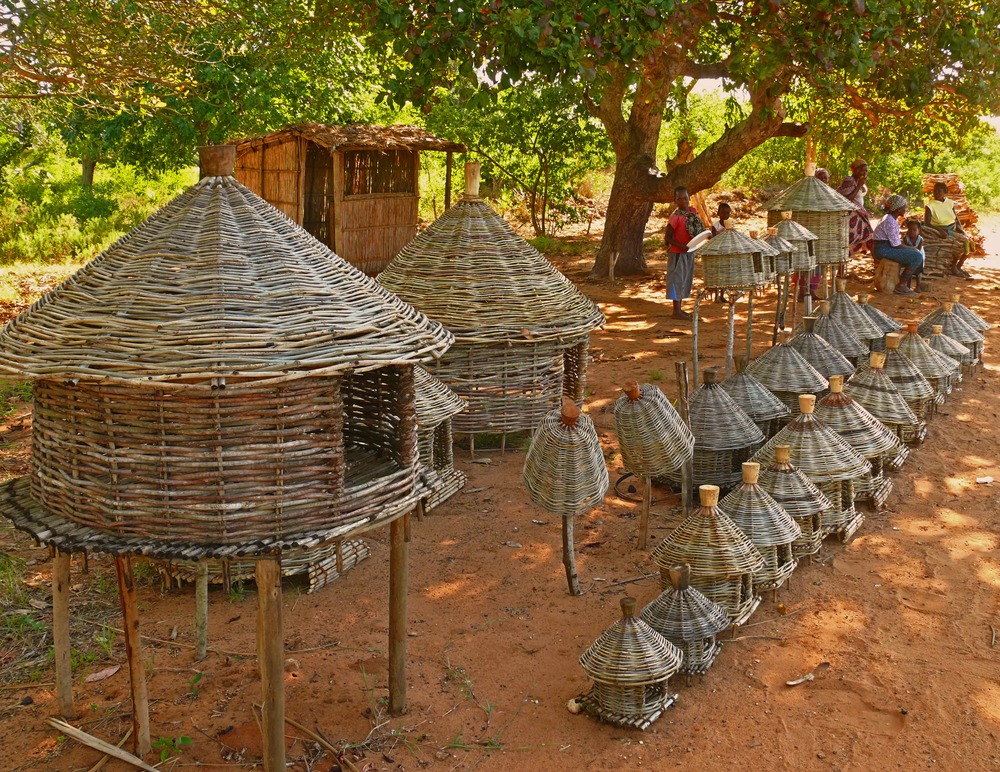
Decorative objects: wooden statues, sculptures and masks, paintings, woven baskets and other woven items...
The Mozambican Crafts and Gastronomy Fair is also renowned for its magnificent flower market as well as its numerous local gastronomy stalls. Don't hesitate to negotiate! The fair is open daily from 8am to 5pm and a bit later on weekends.
Maputo Special Reserve (Maputo National Park)
Looking to see wildlife in Mozambique? How about setting off on safari from Maputo? To do so, head to Maputo Special Reserve (now part of Maputo National Park), located approximately 80 km from the city, just one hour's drive away. Comprising vast expanses of swamp forests and lush grasslands, wetlands, lakes and mangrove forests, the reserve is home to a wealth of wildlife.
The reserve is renowned for its significant elephant populations: approximately 400 are recorded there. It was created in 1906 to preserve the majestic pachyderm population of the region before becoming a sanctuary for all flora and fauna overall. You'll also find other emblematic African animals such as hippopotamuses, giraffes, antelope, zebras, leopards, cheetahs, crocodiles and a wide variety of birds... To see these animals in their natural habitat, visitors can undertake safaris on foot or by vehicle.
Unfortunately, the reserve and its animals suffered greatly from the civil war that took place from 1975 to 1992. Numerous conservation programmes and transfer operations have since allowed the site's fauna and flora to regain their vitality. The first measures notably restored transboundary elephant movements with the creation, in 2000, of the Lebombo transboundary conservation area.
Good to know: Since 2021, Mozambique's authorities decided to merge Maputo Special Reserve with Ponta Do Ouro Partial Marine Reserve to create Maputo National Park in order to provide greater protection to these two conservation areas. |
For information, the beaches of the marine reserve section constitute Mozambique's most important nesting sites for endangered leatherback and loggerhead turtles, while the waters host numerous marine species such as dugongs, whale species and sharks, as well as the world's largest concentration of giant trevally.
During a safari in Maputo National Park, you can therefore see both savanna animals and sublime marine creatures!
To learn more, discover our complete guide to wildlife safaris in Mozambique.
Inhaca Island
Craving relaxation and a magical interlude in a postcard-perfect setting? Located less than 40 kilometres off the coast of Maputo and accessible by ferry, Inhaca Island is just the place for you! Nestled in the azure waters of the Indian Ocean, this small island dotted with coconut and palm trees offers an idyllic setting to rest and enjoy the pleasures of leisurely relaxation.
It features some of Mozambique's most beautiful beaches and magnificent underwater sites that attract scuba diving and snorkelling enthusiasts. Besides tropical fish, the waters surrounding the island are home to turtles, starfish and serve as passages for dolphins, sharks and whales (depending on the season). Divers can also enjoy exploring shipwrecks of ancient Arab vessels. If diving isn't your thing, you can always plan a boat cruise or engage in water sports activities.
On land, Inhaca Island is home to lush forests that can be discovered during a trek or hiking expedition. Birdwatching enthusiasts will be delighted, as approximately 300 bird species are recorded here. Among the birds to observe are, for example, the pink-backed pelican, the crab plover, the Mongolian plover, the African fish eagle, the great sand plover and the Terek sandpiper.
Practical information for visiting Maputo
When to visit Maputo?
The best time to visit Maputo during a trip to Mozambique is during the dry season, between May and September.
How much time should you plan to visit Maputo?
We recommend planning at least two or three days to visit the city of Maputo. This will give you time to walk through the city centre and discover the essential buildings of Mozambique's capital. Add two or three days if you wish to explore Inhaca Island and go on safari in Maputo National Park (Maputo Special Reserve). If you're planning one of these visits (or both), you can consider a day trip from Maputo or stay overnight. Need help organising your stay in Maputo and your trip to Mozambique? Don't hesitate to contact us to plan your itinerary and book all your excursions!
In the meantime, discover our 10-day Mozambique itinerary combining safari and beach pleasures.
Frequently asked questions
The best time to visit Maputo is the dry season, between May and September. Temperatures are pleasant and the risk of rain is low, allowing you to fully enjoy outdoor visits and excursions to Maputo National Park or Inhaca Island.
Plan a minimum of 2 to 3 days to explore Maputo's city centre and its main monuments (central station, fortress, cathedral, museums). If you want to add an excursion to Inhaca Island and a safari in Maputo National Park, allow 2 to 3 additional days.
Inhaca Island is accessible from Maputo by ferry. It is located less than 40 kilometres off the coast of the capital. The boat crossing is the most common and picturesque way to reach this island paradise in the heart of the Indian Ocean.
Yes, you can go on a wildlife safari from Maputo by visiting Maputo National Park (formerly Maputo Special Reserve), located approximately 80 km from the city, about one hour's drive away. You'll be able to observe elephants (approximately 400), hippopotamuses, giraffes, leopards, zebras and numerous birds.
No, it's a popular myth. Maputo's central station, particularly its dome, was designed by José Ferreira da Costa and constructed by the Evans & Ploughs company. Similarly, the Iron House is often attributed to Eiffel when it was actually the work of Joseph Danly, a Belgian engineer, who drew inspiration from the Eiffel construction system.
Two must-visit locations stand out: Maputo's central market, open daily from 7am to 5pm (until noon on Sunday), ideal for discovering fresh produce and local specialities; and FEIMA (Feira de Artesanato, Flores e Gastronomia), Mozambique's largest crafts and gastronomy fair, open daily from 8am to 5pm, perfect for bringing back authentic souvenirs.