Gorongosa National Park
Gorongosa National Park
In central Mozambique, Gorongosa National Park combines restored wildlife following the civil war, varied landscapes and conservation projects accessible to visitors.
In central Mozambique, Gorongosa National Park stretches across the southern edge of the African Great Rift, around Lake Urema and at the foot of Mount Gorongosa. Known for having been nearly entirely depleted of its wildlife during the civil war, it is today the subject of one of the continent's most documented ecological restoration programmes. This park remains little visited, making it a distinctive stop compared to classic southern African circuits.
Why visit Gorongosa
Three elements distinguish Gorongosa from other parks in the region. First, the story of its post-war rebirth, visible in the landscape and in the conservation actions underway. Second, the diversity of habitats: acacia savannas, miombo plateaus, humid forests and seasonal wetlands coexist within the same territory, which is reflected in the fauna and flora. Finally, the park's openness to scientific research and community projects, which allows visitors to go beyond the classic safari experience.
A history marked by war and restoration
From civil war to ecological decline
During the Mozambican civil war, which lasted from 1976 to 1992, Gorongosa became a conflict zone. Combat, poaching and ecosystem destabilisation led to the disappearance of the majority of the park's large mammals: elephants, buffalo, lions and antelopes saw their populations reduced to just dozens of individuals, sometimes fewer.
The Greg Carr rehabilitation project
In the early 2000s, American philanthropist Greg Carr launched a restoration programme in partnership with the Mozambican government. A co-management agreement was signed in 2006, formalising a long-term project combining species reintroduction, scientific research, local development and ecotourism. Animal populations have gradually recovered, and the park is today cited as a case study in post-conflict ecological restoration.
What to see and do
Wildlife and birds
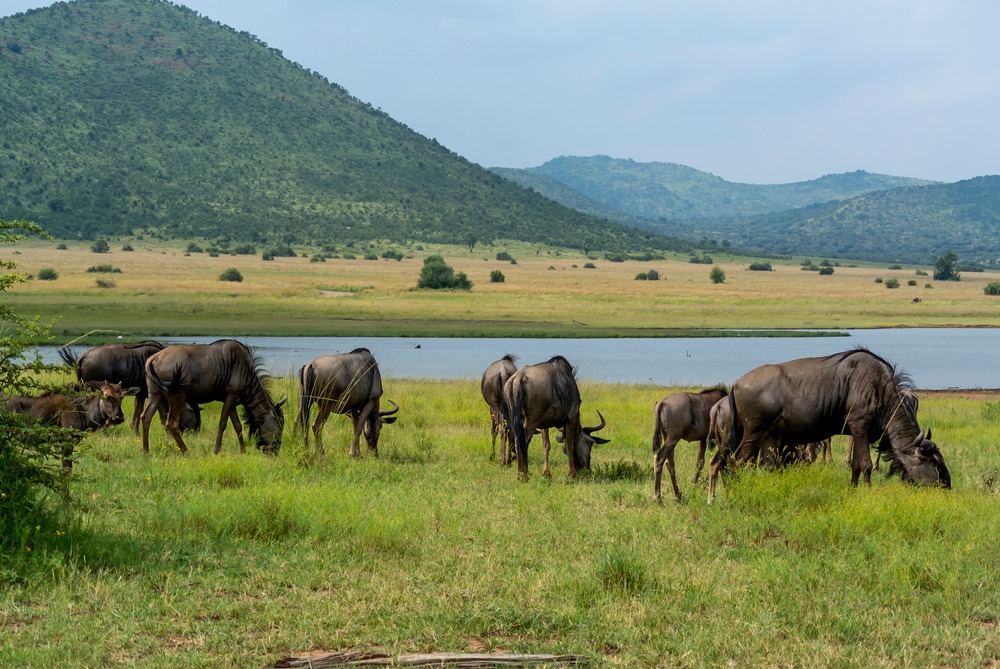
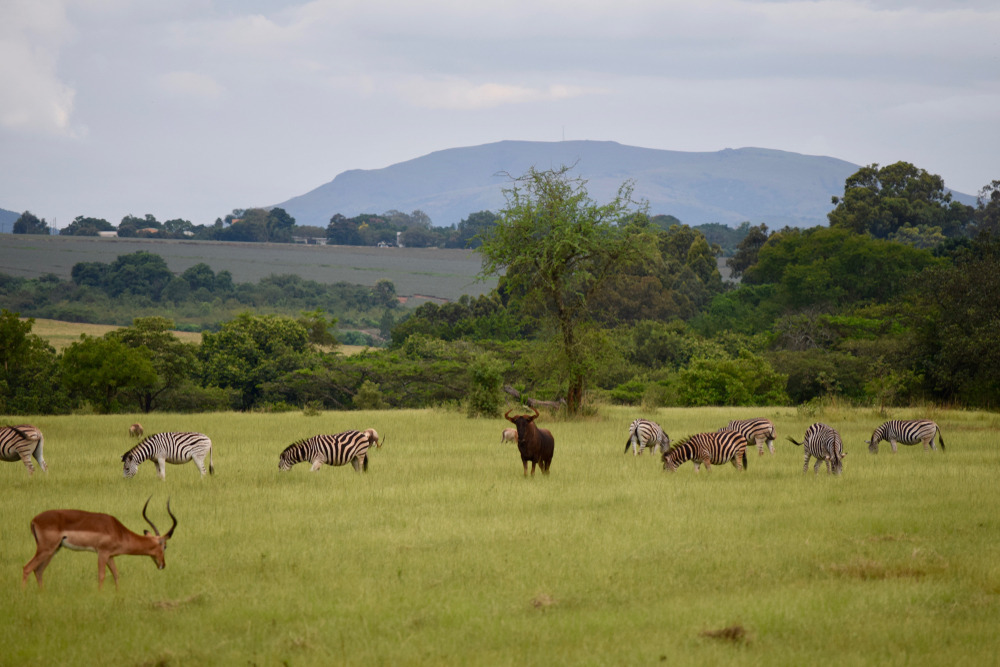
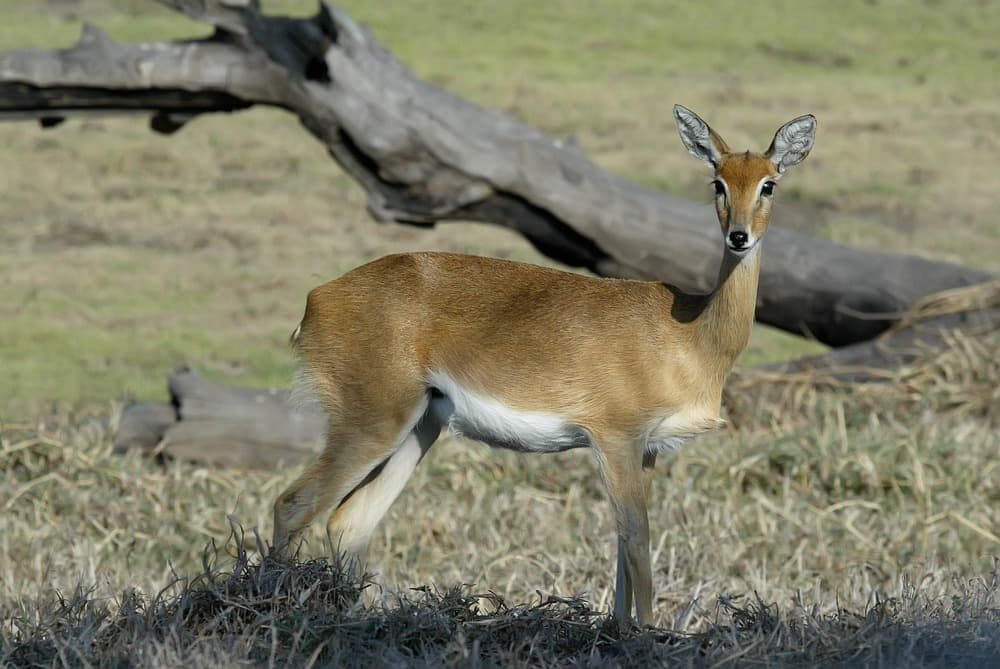
The park is home once again to the emblematic large species of southern Africa: elephants, lions, leopards, hippopotamuses, harnesses antelopes and African wild dogs. It is also home to species characteristic of the region, such as Crawshay's zebra and the pygmy chameleon. Nearly 500 bird species have been recorded, including several migratory and threatened species, making it an interesting destination for birdwatching.
Habitats to explore
- Acacia savannas dotted with termite mounds, ideal for observing herbivores
- Plateaus covered with miombo forests
- Humid forests at the foot of Mount Gorongosa
- Seasonal wetlands around Lake Urema, which concentrate wildlife in the dry season
Hiking Mount Gorongosa
The massif dominates the park and can be climbed with a local guide. The ascent passes through several vegetation zones, from low-altitude crops to mountain forests, and helps understand how water from the massif feeds the entire downstream ecosystem.
Community projects and research
The Gorongosa Coffee Project combines coffee cultivation with reforestation of Mount Gorongosa, working directly with local growers. Visits to plantations, accessible on foot or by bicycle, offer a concrete overview of the model. The E.O. Wilson research centre, open to visitors, showcases species monitoring and conservation programmes underway.
Boat safaris
On Lake Urema and the park's rivers, boat or canoe trips allow observation of crocodiles, hippopotamuses, water birds and elephants coming to drink. This approach usefully complements vehicle safaris.
When to go
The dry season, from May to November, is the recommended period. Wildlife concentrates around water sources, tracks are passable and animal observation is easier. Peak visitor numbers occur between July and September. The park closes to visitors from mid-December to the end of March due to heavy rains that make tracks impassable.
How to get there
Gorongosa is generally reached by domestic flight from Maputo to Beira or Chimoio, followed by a road transfer.
- From Beira: approximately 200 km, allow nearly 3 hours of driving. Private transfers are organised by lodges within the park.
- From Chimoio: approximately 2 hours of driving, often the most direct option.
Access by road from South Africa or Zimbabwe is possible but requires customs procedures and a vehicle authorised to cross borders. Working through a local agency is recommended for this type of journey. If you arrive late in Beira, it's better to spend the night there before heading to the park, which closes its gates at the end of the day.
Practical information
- Entrance fee: moderate daily rate, with reductions for children and free entry for the youngest. Amounts change: confirm with the park or your agency before departure.
- Accommodation: a main lodge and satellite camps within the park, to be booked in advance during high season.
- What to bring: neutral clothing, closed shoes, binoculars, insect repellent and antimalarial treatment according to medical advice.
- Safety: the park area is accessible to visitors; check on the regional situation at the time of your departure.
To combine within a Mozambique trip
Gorongosa fits well into an itinerary combining inland and coastal Mozambique. To extend towards beaches and diving, the Bazaruto Archipelago is accessible from the central coast. Further south, Inhaca Island, close to Maputo, complements an urban stop. To remain in the natural landscapes of the north, Lurio Waterfall offers another side of the hinterland.
Frequently asked questions
Frequently asked questions
From May to November, during the dry season. July to September sees the highest visitor numbers and the best wildlife viewing conditions. The park closes from mid-December to the end of March due to rainfall.
The easiest option is to take a domestic flight to Beira or Chimoio, then a 2 to 3-hour road transfer. The overland route from Maputo is long and impractical for a short stay.
Elephants, lions, leopards, hippopotamuses, harnesses antelopes and African wild dogs, as well as regional species such as Crawshay's zebra and the pygmy chameleon. Nearly 500 bird species have been recorded in the park.
Yes, several activities are accessible to children: vehicle safaris, visits to community projects, cycling tours. Hikes to the summit of Mount Gorongosa, however, require good physical fitness.
Yes. Activities within the park are systematically conducted with a guide or ranger, whether on safari, boat or hiking.
Prepare your trip
To integrate Gorongosa into a bespoke itinerary combining savanna, community projects and coast, consult our ideas for travel to Mozambique.
Interested in this visit?
We can include it in your personalised itinerary.