Gorongosa and Central Mozambique
Gorongosa National Park, restored after the civil war in the Rift Valley, combines uncrowded safari, active scientific research, and endemic highland forest.
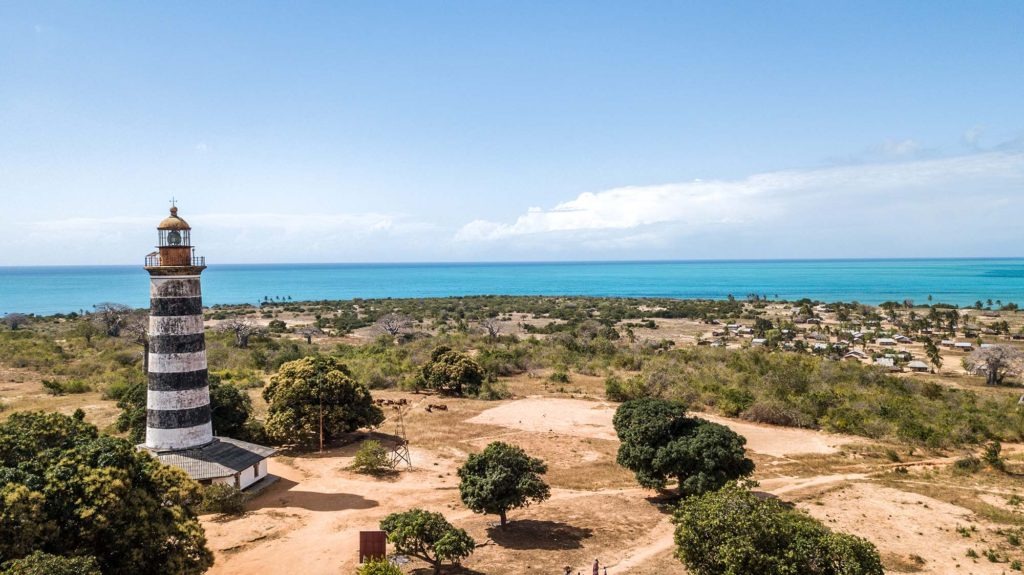
Central Mozambique stretches from the Indian Ocean coast to the foothills of the Great Rift, spanning roughly 400 kilometers between Beira and the Zimbabwean border. We present this region as the wild counterpoint to the southern beaches: here, travelers come for the restored wildlife of Gorongosa National Park, for the highland forests of the eponymous mountain, and to understand how a country rebuilds after twenty years of civil war (1977-1992) that decimated up to 95% of the park's large mammals.
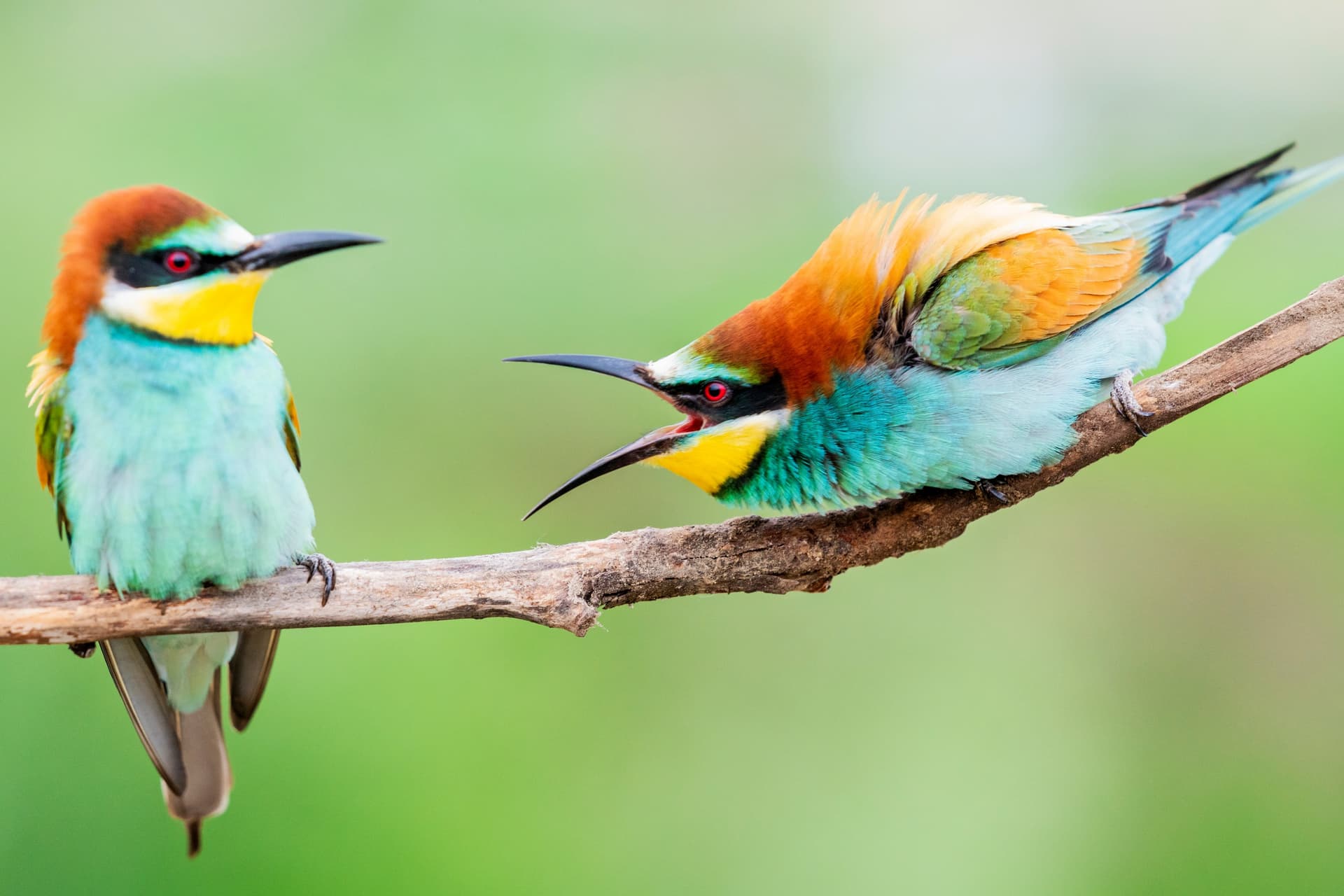
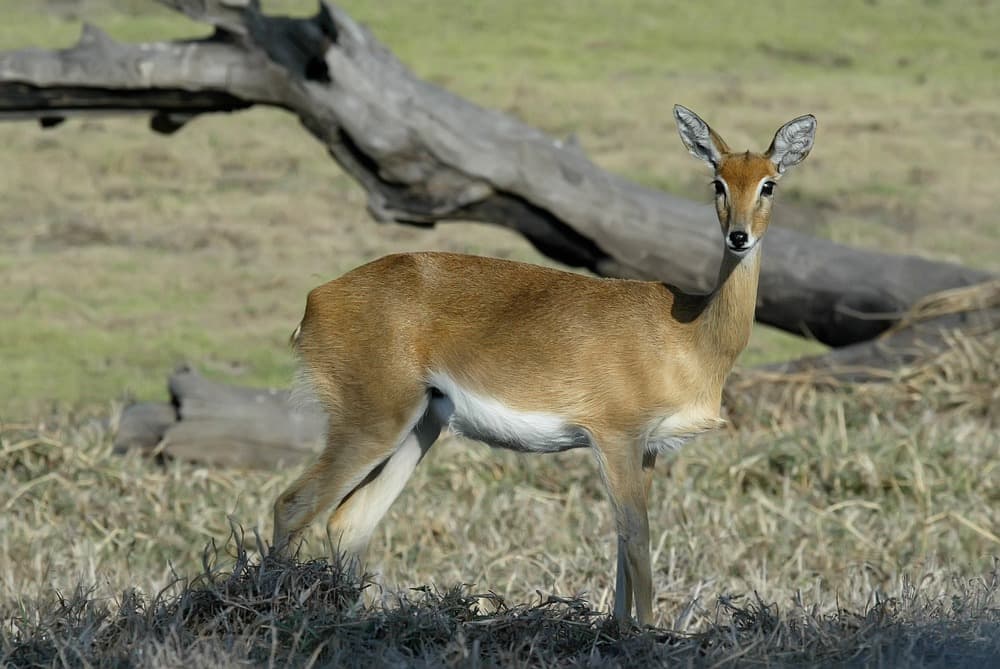
Gorongosa covers 4,067 km² at the heart of the Rift Valley, where the Urema plains flood during the rainy season to form a temporary lake ringed by borassus palms and three-meter termite mounds. The restoration program launched in 2008 with the Carr Foundation has enabled the return of elephants (over 800 today), lions (around a hundred), buffalo, hippopotamus, and more than 400 bird species. Local guides work alongside biologists from the Gorongosa Project, and we find this scientific dimension transforms the quality of a game drive: you observe not only wildlife, but an ecosystem rewriting itself before your eyes.
North of the park, Mount Gorongosa rises to 1,863 meters. It is a sacred mountain for the Mwani and Sena communities living at its base, and its slopes shelter an isolated montane rainforest cut off from the rest of southern Africa, home to endemic species of butterflies and chameleons. The hike to the Murombodzi waterfalls takes a full day from Sadjungira village, passing through recently planted high-altitude coffee plantations designed to offer an alternative to deforestation.
Beira, the country's second city with 530,000 inhabitants, serves as the logistics hub. Its port remains the maritime outlet for Zimbabwe and Malawi, explaining the bustling warehouses and container terminals. The city center retains art deco and Portuguese buildings from the 1930s-1950s in varying states of preservation: the Grande Hotel, a vast abandoned ocean liner from 1955, has become a squatter settlement housing over 3,500 people, and we only propose it as a guided visit. Goto market, the fish auctions along Macuti Beach, and the Ponta Gêa neighborhood provide a truer picture of the city today.
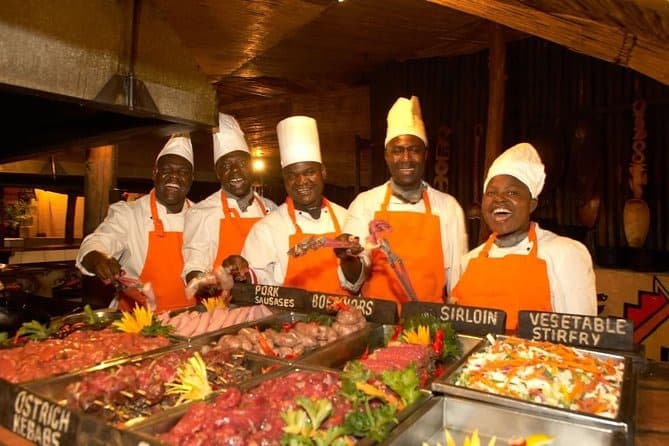
Further south, the Zambezi Delta and Marromeu Reserve, roughly 250 kilometers from Beira via difficult track, host southern Africa's largest buffalo herds (estimated at 25,000 head) and remarkable concentrations of waterbirds from August to November. This is an area we reserve for experienced travelers, with mobile camps and access by 4x4 or boat. Culinarily, the center stands out for matapa—mashed cassava leaves with peanuts and coconut—grilled Zambezi chicken with piri-piri, and palm wine drawn from the borassus, a traditional Sena spirit tasted in villages around Chitengo.
This region calls for travelers curious about conservation and reconstruction rather than those hunting the Big Five quota. Animal densities are lower than in Kruger or the Serengeti, but the experience is different: few vehicles, guides trained in tracking and ecology, and the sense of visiting a park reconstituting itself before your eyes.
Must-see Highlights
Urema Plains in the dry season. Dawn game drives around residual lagoons where waterbucks, elephants, and baboon troops congregate. Optimal visibility September to October when grass is short and wildlife fixed to water sources.
Chitengo Camp and Scientific Laboratory. Historic park accommodation rebuilt after the war. Visit the E.O. Wilson Biodiversity Laboratory where species collected in the park are described, with resident researchers on hand.
Climbing Mount Gorongosa. Six to eight-hour round-trip hike from Sadjungira through rainforest and coffee plantations. Murombodzi waterfalls at mid-point, views across the Rift Valley from the summit.
Art Deco Beira and the Port. Urban walk between the cathedral, the former Clube Náutico and arcades along rua Major Serpa Pinto. The Macuti neighborhood ends at the stranded wreck of the Macuti, a Portuguese vessel turned coastal landmark.
Zambezi Delta at Marromeu. Buffalo reserve and crowned crane observation in floodplain marshes. Accessible only by mobile camp, August to November, for travelers prepared for five hours of track from Caia.
When to Visit
We recommend the dry season, August to October, as the best window for visiting Gorongosa. Daytime temperatures range from 28 to 33°C in the plains, nights drop to around 15–18°C, and wildlife concentrates at permanent water sources, making game drives productive. November marks the transition, still practicable but with oppressive heat that can exceed 38°C before the first rains.
From December to March, the park receives most of its annual rainfall (around 800 to 1,000 mm), tracks become impassable, and several camps close between January and late March. The Mount Gorongosa region, at higher elevation, receives more precipitation: hiking becomes unpleasant and slippery in the wet season. Beira, on the coast, regularly experiences tropical cyclone passes from January to March (Idai in 2019, Freddy in 2023 severely affected the city), making this period to avoid for logistics. April to July offers verdant landscapes, mild temperatures (22–28°C), and good observation of migratory birds, but more dispersed wildlife.
Practical Advice
We recommend a minimum of four days to properly visit the park: two nights at Chitengo or Muzimu Lodge allow three complete game drives, plus an additional day for Mount Gorongosa if fitness permits. Access is via domestic flight from Maputo to Beira (1h45), then 3h30 of asphalt road to the park entrance at Chitengo. Direct landing on the Chitengo airstrip is possible by charter for pressed groups.
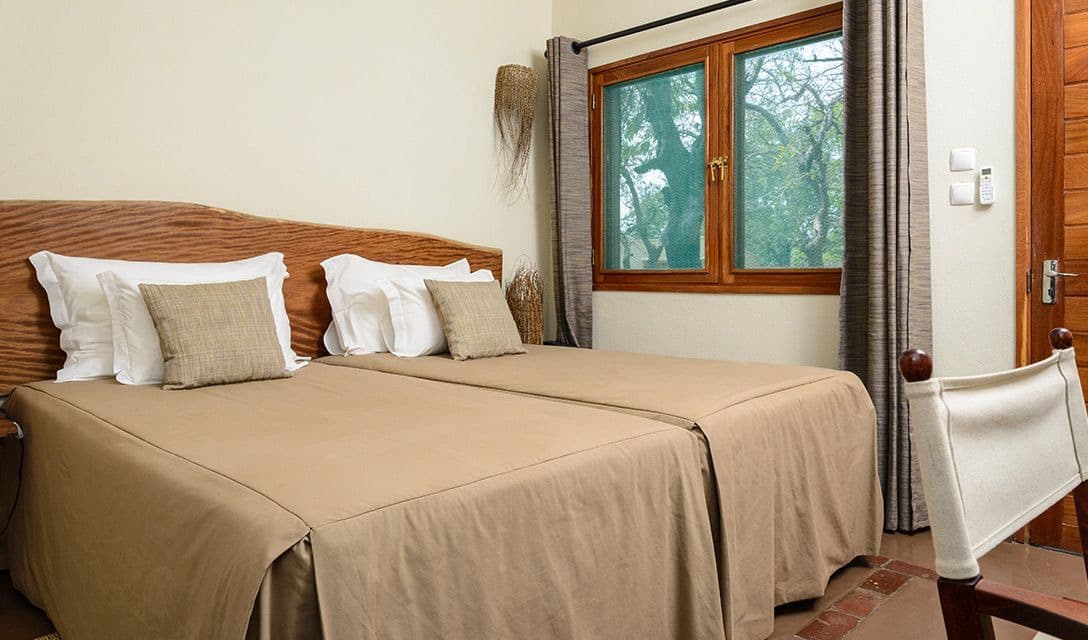
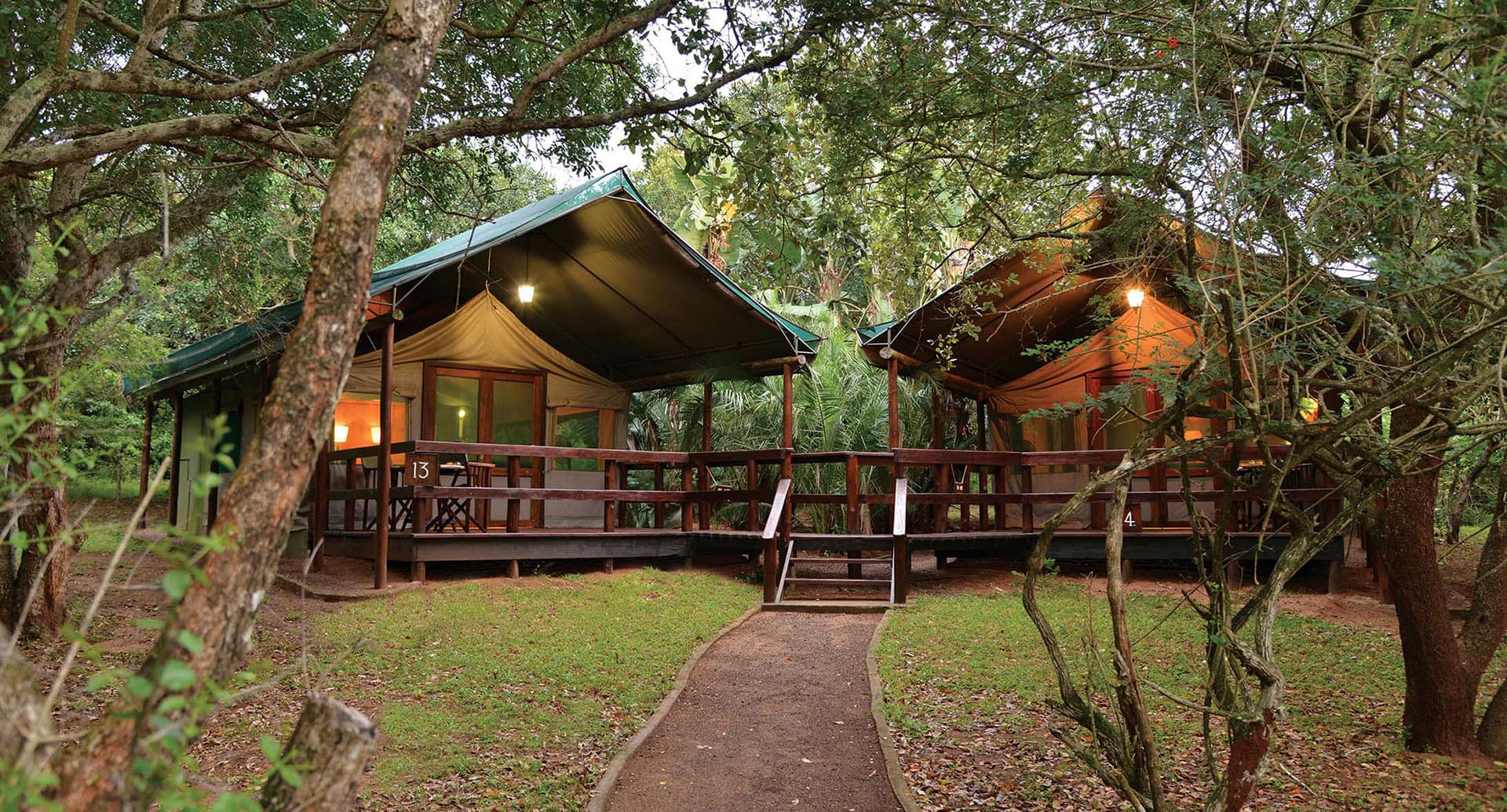
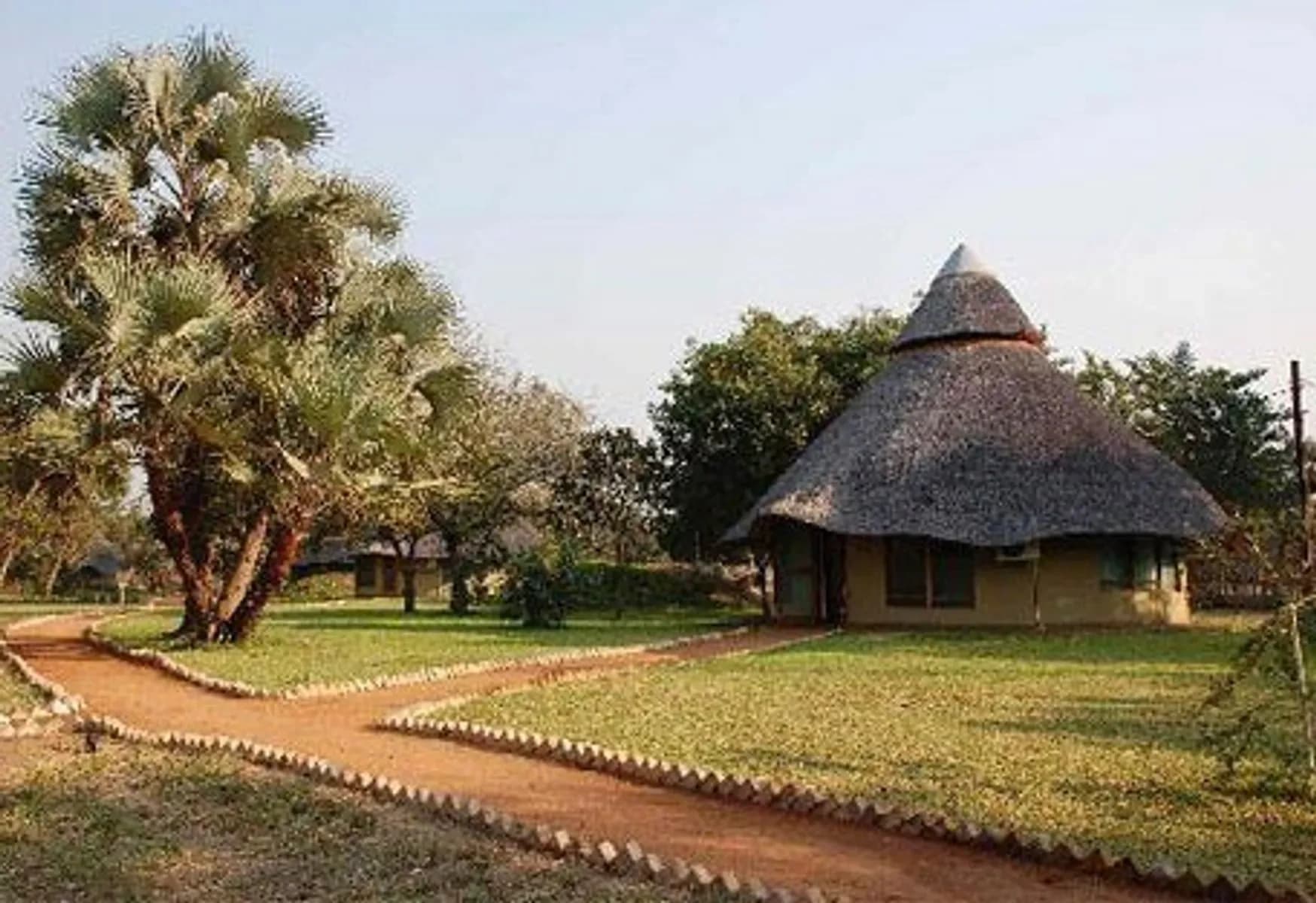
The center logically combines with the Bazaruto Archipelago to alternate safari and beach (Beira-Vilankulo flight in 1h), or with Maputo and the south for a 12–14 day land-sea circuit. For travelers wishing to extend northward, the link with Lake Niassa and Tete remains long and complex: we advise against it outside itineraries exceeding three weeks. Comfort levels at Gorongosa range from simple bungalows to well-appointed lodges, without reaching the luxury of major southern African camps. This region suits the conservation-minded traveler, the ornithology enthusiast, and families with children from age 8 capable of handling three-hour vehicle stretches. It suits less those seeking only the Big Five checklist.