Mlilwane Wildlife Sanctuary
Mlilwane Wildlife Sanctuary
Eswatini's first official wildlife reserve, Mlilwane offers a unique safari experience: wildlife viewing on foot, by bike or on horseback, without the threat of major predators.
Nestled in the pristine landscapes of the Kingdom of Eswatini, Mlilwane Wildlife Sanctuary stands as an essential destination for nature enthusiasts, wildlife lovers and those seeking genuine local traditions. Offering a peaceful atmosphere, this reserve seamlessly blends wildlife observation, outdoor activities and cultural immersion in a secure and accessible setting. Just hours away from southern Africa's major reserves, Mlilwane captivates visitors with its authenticity and remarkable biodiversity.
History and Origins of the Sanctuary
Established in 1961 on the grounds of a former farm, Mlilwane represents Eswatini's first official wildlife conservation reserve. Its name means "Little Fire" in siSwati, referencing the bush fires that once illuminated the central hillside, symbolizing the rebirth of conservation in the region. This sanctuary pioneered wildlife protection locally and epitomizes sustainable management today. In 2018, the country's official name change to Eswatini further reinforced its commitment to this natural and cultural heritage.
Rich and Accessible Biodiversity
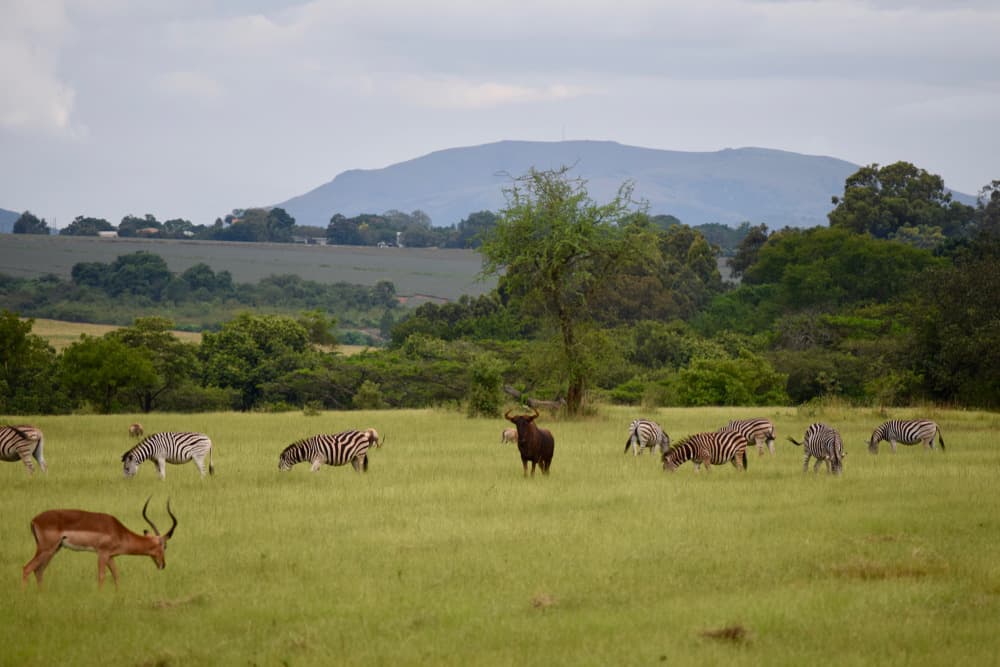
Mlilwane spans 4,560 hectares of varied terrain: rolling grasslands, forests along watercourses, rocky hills and wetland areas. The reserve is renowned for its abundant wildlife, easily observable thanks to the absence of major predators. Visitors can encounter:
- Burchell's zebras, blue wildebeest, impalas, warthogs and other iconic mammals;
- Hippopotamuses and crocodiles at strategic water points;
- Over 240 bird species, including eagles, kingfishers and weavers;
- Flora typical of the Middelveld, comprising savannas, wetlands and native tree plantations—the result of sustained ecological rehabilitation efforts.
This diversity enables an authentic nature immersion, where every visitor can appreciate the richness of wildlife in a tranquil and respectful environment.
What to Do at Mlilwane Wildlife Sanctuary?
The sanctuary offers a diverse range of activities suited to all visitors, whether traveling as a couple, family or solo, and whether seeking adventure or peaceful moments.
Safaris and Wildlife Discovery
- Guided sunrise and sunset safaris, prime moments to observe wildlife in ideal light conditions, often complemented by refreshments.
- Roan Drive expedition, an educational outing dedicated to the protection of roan antelopes, a flagship conservation project.
- Self-drive tours: numerous tracks are accessible by light vehicle (excluding mountainous zones), allowing flexible independent exploration of plains and hills.
- Rehabilitation Centre: an informative stop to understand conservation challenges and observe rescued wildlife firsthand.
Outdoor Activities
Thanks to the absence of dangerous predators, Mlilwane is an ideal destination for activities on foot, by bike or on horseback:
- A network of marked trails exceeding 25 km welcomes hikers, trail runners, mountain bikers and riders, with routes suitable for all levels.
- Mountain bike rentals available, or opt for guided circuits for a structured and enriching experience.
- Horseback riding, facilitated by Chubeka Trails, ranging from gentle rides to multi-day expeditions, offering immersion in diverse and often wild landscapes.
Thematic Walks and Nature Immersions
For the curious, Mlilwane offers guided experiences to deepen knowledge of wildlife, flora and local heritage:
- Walking tours with local guides, to observe birds, identify animal tracks and understand the geography of the area.
- Botanical trails highlighting local vegetation, planted and protected since the 1960s.
- Junior nature trails, an interactive experience for children combining educational booklets, videos and engaging activities.
Cultural Immersion
Mlilwane extends beyond nature to offer authentic engagement with Swazi culture:
- Visit to Umphakatsi traditional village, where visitors can witness rituals, discover local craftsmanship, learn siSwati phrases and participate in rural activities.
- Community walk at Esitjeni, for immersion in everyday Eswatini life, including visits to schools, craft shops and surrounding fields.
Relaxation and Environmental Education
The sanctuary also caters to those preferring a quieter, more educational stay:
- A family swimming pool with play areas and picnic spaces invites relaxation.
- The interpretation centre features exhibitions on Eswatini's biodiversity and the reserve's history, perfect for deepening knowledge of the country and conservation efforts.
How to Get There?
Access to Mlilwane Wildlife Sanctuary is straightforward, whether arriving from South Africa or directly from Eswatini:
- From South Africa: the most common route crosses the northern border near Malelane Gate, heading towards Jeppes Reef.
- From Mbabane, Eswatini's capital: take the road towards Manzini, then at Lobamba/Elangeni, follow the signpost for "Mlilwane". After passing under the highway, continue 2.5 km up the hill before turning left at the next intersection.
- Practical tip: the sanctuary entrance is not well marked, so using GPS is recommended to avoid confusion.
Opening Hours
- Mlilwane Wildlife Sanctuary is open daily from 6 am to 6 pm.
- Visitors must depart the park before 6 pm, in line with closing time.
- These hours align with sunrise and sunset, ensuring ideal conditions for wildlife observation.
Admission Fees
- Conservation fee: approximately 90 ZAR (5 EUR) per person per day.
- Entry fee: between 60 and 70 ZAR (3.50 to 4 EUR) per person.
- Free entry: for Wild Card holders, all categories.
- Children under 13 years benefit from reduced rates.
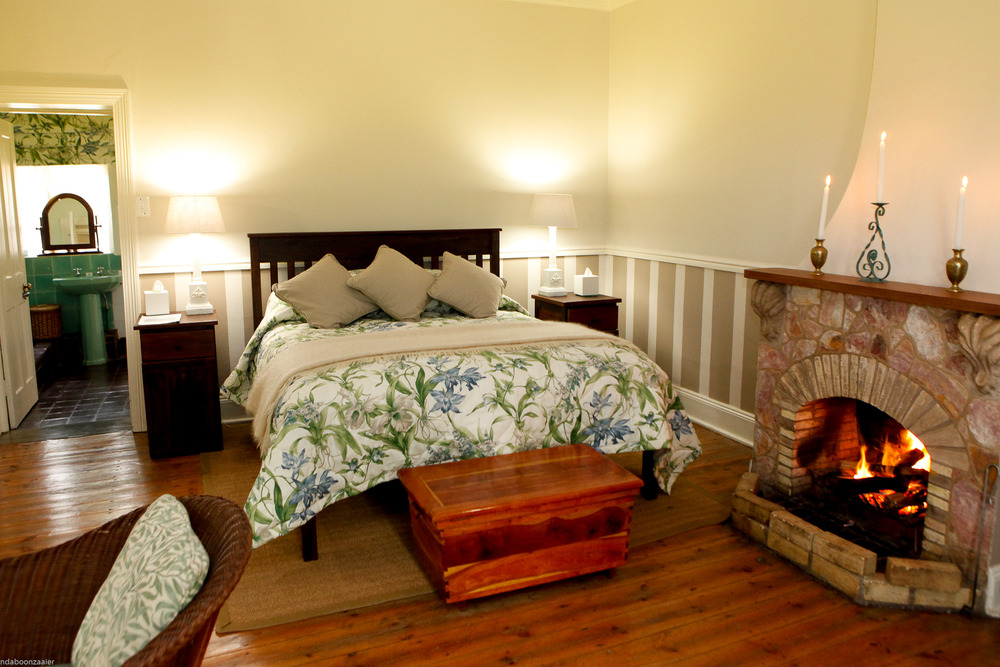
Accommodation in Mlilwane Wildlife Sanctuary
Want to discover this destination?
Our local advisors design your tailor-made trip.