Cape Winelands
Cape Winelands
Just 40 km from Cape Town, the Cape Winelands bring together over 500 wine estates nestled between mountains and Cape Dutch architecture. Our guide to tasting without a misstep.
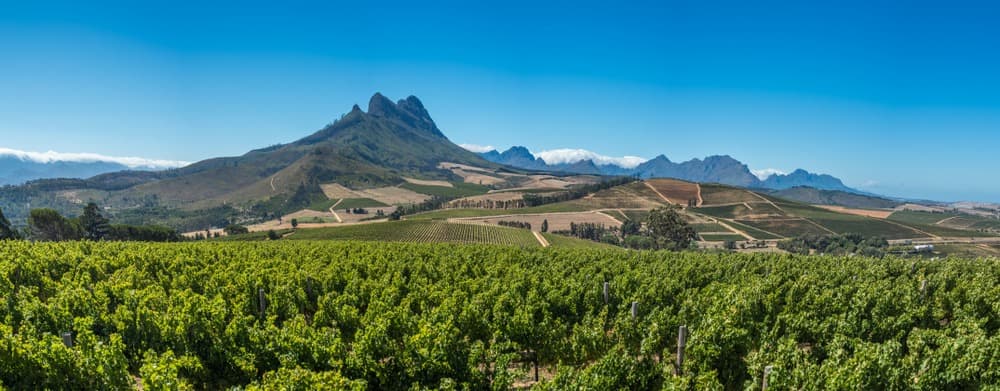
Approximately 40 kilometers from Cape Town, the Cape Winelands offer a sensory escape between sculpted mountains and verdant valleys. Wine here is tradition, the landscape a spectacle, and each estate tells a unique story. Between charming villages, century-old cellars and generous terroirs, this region promises far more than a simple tasting experience: an authentic immersion into South Africa's winemaking soul.
The region centres around iconic towns such as Stellenbosch, Franschhoek, Paarl, Worcester and Robertson. Each possesses its own landscapes, specialties and atmosphere. Together, they compose one of the world's most beautiful wine routes, to be explored glass in hand or camera at the ready.
A Wine Heritage Spanning Centuries
The region's wine history began in the 17th century when Dutch colonists settled at the Cape of Good Hope. In 1659, Jan van Riebeeck crafted South Africa's very first wine. Since then, expertise passed down through generations has shaped one of the continent's oldest and most prestigious wine regions.
A Modern and Vibrant Wine Region
Today, the Cape Winelands stand as an internationally recognized territory for wine excellence. Surrounded by imposing peaks and lush valleys, the region harmoniously blends tradition with modernity. Wine estates, often housed in historic buildings, welcome visitors for tastings, strolls or gastronomic experiences.
What to Do in the Cape Winelands?
The Cape's wine country extends far beyond wine tasting—it overflows with activities for every traveler.
Diverse Activities
- Animal-back rides or cart journeys through vineyard rows for a bucolic escape.
- Picnics beside small dams, perfect for birdwatching.
- Art gallery visits, blending local tradition and contemporary art.
- Encounters with cheetahs within wildlife protection programs.
- Wellness centres and spas, often nestled within wine estates or boutique properties.
- Nature and game reserves, to explore on foot or guided safari.
- Butterfly enclosures, lion parks and crocodile sanctuaries for wildlife enthusiasts.
- Hiking in the surrounding mountains, delivering breathtaking vistas.
- Wine Tram circuits in Franschhoek, a playful way to connect multiple estates.
The Cape Winelands Biosphere Reserve, designated by UNESCO, highlights the ecological significance of this unique area.
The Tasting Experience
- Over 150 wine estates in the Stellenbosch region alone.
- Generous tastings (averaging 5 to 6 glasses) for 30 to 60 rand per person.
- Most estates are open daily, with some closing on Sundays.
- Spectacular locations, particularly in the Simonsberg and Helderberg regions, offering mountain views.
- A relaxed, unpretentious atmosphere, free from purchase pressure.
- The option to picnic or enjoy a full meal on-site at certain larger estates.
- Competitive pricing compared to South African or European wine merchants.
- A handy planning resource: co.za.
- Note: Duty-free allowances typically limit you to 2 or 3 bottles; some estates offer international shipping, though fees may apply.
When to Visit?
The Cape Winelands offer varied experiences across seasons.
- November to March: warm and dry, ideal for alfresco dining and crisp wines. Harvest season peaks in February and March.
- April and May: autumn in warm hues, mild weather perfect for landscapes and outdoor pursuits.
- June to August: rainy winter turning vineyards lush green, a quiet season ideal for relaxation and full-bodied reds.
- September to November: spring blooms, gentle climate conducive to serene exploration.
Each season reveals its own charm to discover according to your preferences.
Car rental : Renting a vehicle from Cape Town is the most flexible option to reach the vineyards. Highways N1 and N2 provide direct access to the region.
Tour bus : Several operators offer bus routes from Cape Town to major wine sites. A stress-free driving alternative.
Train : Train services connect certain wine country towns, but schedules are limited and infrequent, potentially complicating transfers.
Car rental : The simplest way to freely explore the vineyards and surrounding villages at your own pace.
Organized excursions : Guided tours with transport included allow you to visit multiple estates without driving concerns.
Vine Hopper minibus : local shuttle service in Stellenbosch linking 12 estates, with freedom to hop on and off as you wish. Ticket sold for 200 rand at the tourist office.
Public transport : Some buses and trains serve main centres, but remain impractical for visiting more remote estates.
Want to discover this destination?
Our local advisors design your tailor-made trip.