bird watching
bird watching
To discover the splendid biodiversity of East Africa, travel to Mozambique. Known for its stunning beaches and spectacular marine depths, the country is also an extraordinary playground for
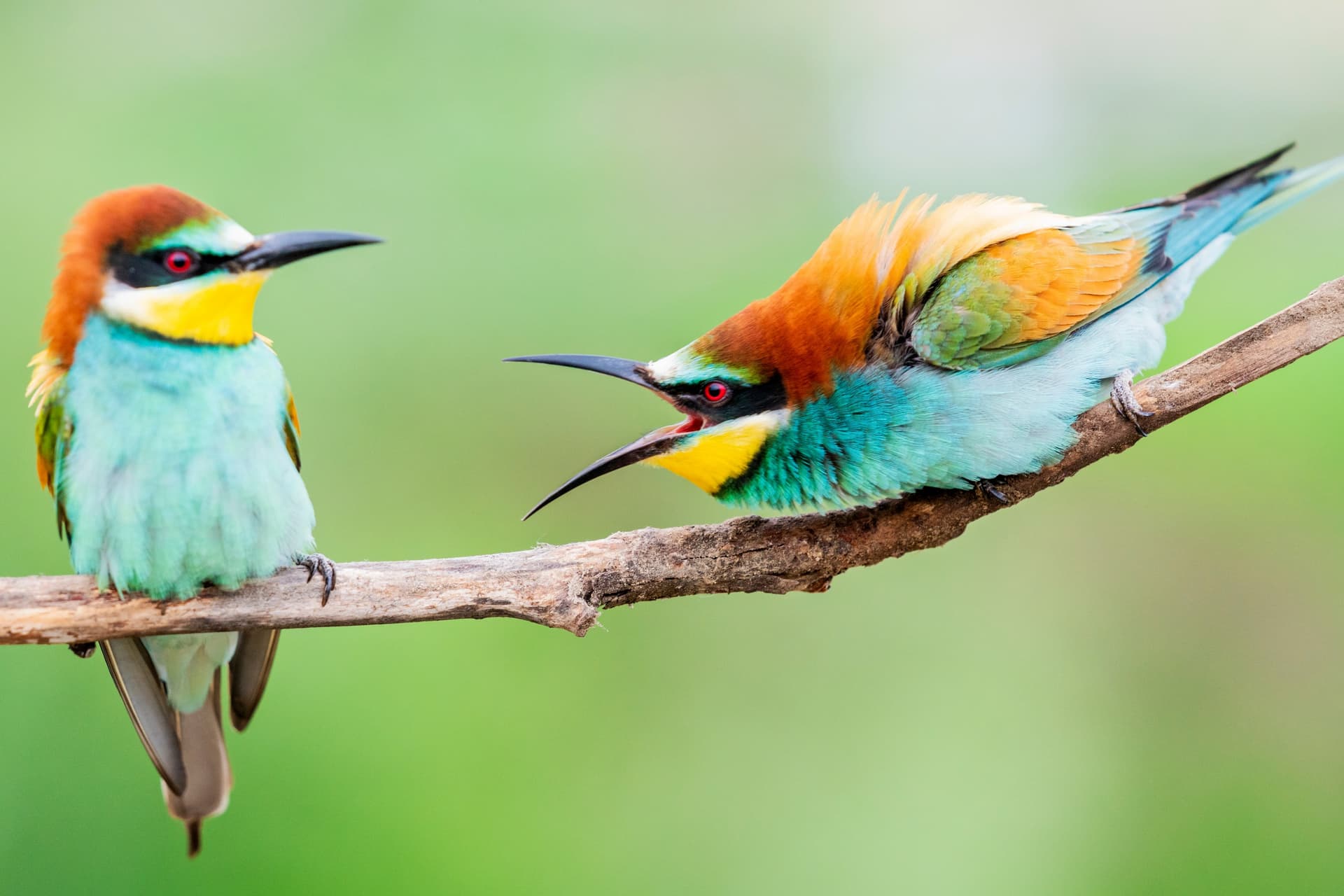
To discover the splendid biodiversity of East Africa, travel to Mozambique. Known for its stunning beaches and spectacular marine depths, the country is also an extraordinary playground for birdwatchers. Prepare your equipment—there are some 850 species to see across the territory.
Nature reclaiming its place in Mozambique
Civil unrest cast a long shadow over Mozambique for decades. Along the border with Zimbabwe, misty forests and steep mountains once served as refuge for guerrilla forces. Today, nature is reclaiming its rightful place. Across the country, protected areas are experiencing a new lease on life, and wildlife enthusiasts are gradually arriving, alongside scientists dedicated to biodiversity conservation. Beyond wildlife safaris to encounter elephants, bird-watching safaris are attracting an increasing number of visitors eager for discovery.
Where to watch birds in Mozambique?
Mozambique has all the credentials to rank among Africa's top bird-watching destinations. With 850 recorded species, at least 500 of which breed on the territory, the country promises remarkable sightings. Birdlife International has classified 15 major zones for ornithology. Among these, here are the most sought-after destinations:
Maputo Special Reserve
Skirting the eastern coast of Africa, Maputo Special Reserve is renowned primarily for observing elephants and whales. Yet the region is equally a birdwatcher's paradise, with 350 species recorded across a diverse range of habitats—mangroves, coastal dunes, forests, and wetlands. Among the creatures to discover: the Green Coucal, Rudd's Apalis, Zulu Hud, the Brown Robin-chat, and the Thrush Nightingale.
Southern Mozambique
In southern Mozambique, vast coastal plains, pristine forests, and lakes attract tremendous bird diversity. With a local guide, search for Reichenow's Sunbird, the Yellow-rumped Seedeater, the Lemon-breasted Canary, Cuvier's Falcon, and Eleonora's Falcon. The region also hosts the Green Whydah, the Spotted Ground-thrush, the Green-winged Pytilia, the Brown-throated Weaver, and more.
Gorongosa National Park
Explore this vast wilderness sanctuary in central Mozambique. Gorongosa National Park offers a mosaic of rich ecosystems where you can observe a wide array of wildlife and birds. In the forests and grasslands dotting Mount Gorongosa, you may encounter the Pale Honeyguide, the Moustached Warbler, the Green-headed Oriole, the Dusky Twinspot, Swynnerton's Robin, and others.
In the lower sections of the park, palm forests, marshes, lakes, and miombo woodlands allow you to spot the White Pelican, the Grey Pelican, the African Skimmer, the Painted Snipe, the Muical Pitta, the Mascarene Swallow, the Collared Aracari, and the Singing Cisticola, among others.
Mount Namuli
Rising above Zambézia Province, Mount Namuli is Mozambique's second-highest peak. Montane forest, grasslands, fern-covered slopes, and orchid glades compose a picturesque landscape. It is home to one of the world's rarest endemic species, the Namuli Apalis. Also discover here: the Mottled Flycatcher, the Barred Trogon, the Red-rumped Swallow, Bertram's Weaver, the Kilimanjaro Sunbird, Lopes's Bush-shrike, the Cholo Alethe, and more.
Njesi Plateau
If you crave off-the-beaten-path adventure, head to the Njesi plateaus in northern Mozambique. This isolated region is among the last refuges of the critically endangered Long-billed Warbler. Stierling's Woodpecker, Gurney's Ground-thrush, the White-tailed Flycatcher, Bertram's Weaver, and Lopes's Bush-shrike also frequent the area.
Niassa Reserve
Located in the north, Niassa Reserve is Mozambique's largest protected area. Beyond its substantial wildlife populations, it is also the crossroads of over 400 bird species. Traverse the wetlands, riverine forests, vast savannas, and miombo woodlands, where you may encounter the White-backed Night-heron, the Taita Falcon, Böhm's Bee-eater, the Green Broadbill, Livingstone's Flycatcher, the Brown-breasted Barbet, the Angola Pitta, the Black-and-white Mannikin, Audebert's Cuckoo, Pel's Fishing-owl, the Banded Snake-eagle, and countless others.
Beyond the Birdlife International roster, many other regions of Mozambique conceal ornithological mysteries waiting to be uncovered. Take the initiative, venture into the country's lesser-known zones where remarkable surprises await.
What is the best time to watch birds in Mozambique?
You can travel to Mozambique for birdwatching year-round. However, the rainy season from November through April sees the highest activity, with the arrival of migratory species. Conversely, if you wish to observe wildlife during optimal conditions, visit during the dry season between May and October.
Give it a go!
Our local experts arrange this activity for you.