Electricity and Power Outlets
Before traveling to Mozambique, it's essential to understand the local electrical system. This will help you avoid unexpected issues and ensure your electronic devices work safely throughout your stay. This guide will help you determine whether an adapter or converter is necessary for your equipment.
Before traveling to Mozambique, it's essential to understand the local electrical system. This will help you avoid unexpected issues and ensure your electronic devices work safely throughout your stay. This guide will help you determine whether an adapter or converter is necessary for your equipment.
The Electrical System in Mozambique
Standard Voltage and Frequency
Mozambique uses a voltage of 220 V with a frequency of 50 Hz, which closely aligns with European standards (230 V / 50 Hz). This similarity means that most European electrical appliances function perfectly, provided they are compatible with a voltage range of 220 to 240 volts. The majority of modern chargers—such as those for phones, laptops, cameras, and tablets—are designed to operate across a wide voltage range (100–240 V) and a frequency of 50 or 60 Hz. This generally eliminates the need for a voltage converter.
Particularities of the Electrical Network
The electrical system in Mozambique is comparable to that of other African or European regions, but it may experience occasional outages, particularly in rural or remote areas. It is therefore recommended to bring an external battery or portable solar charger, both of which prove invaluable during your travels outside major cities.
Types of Outlets and Adapters
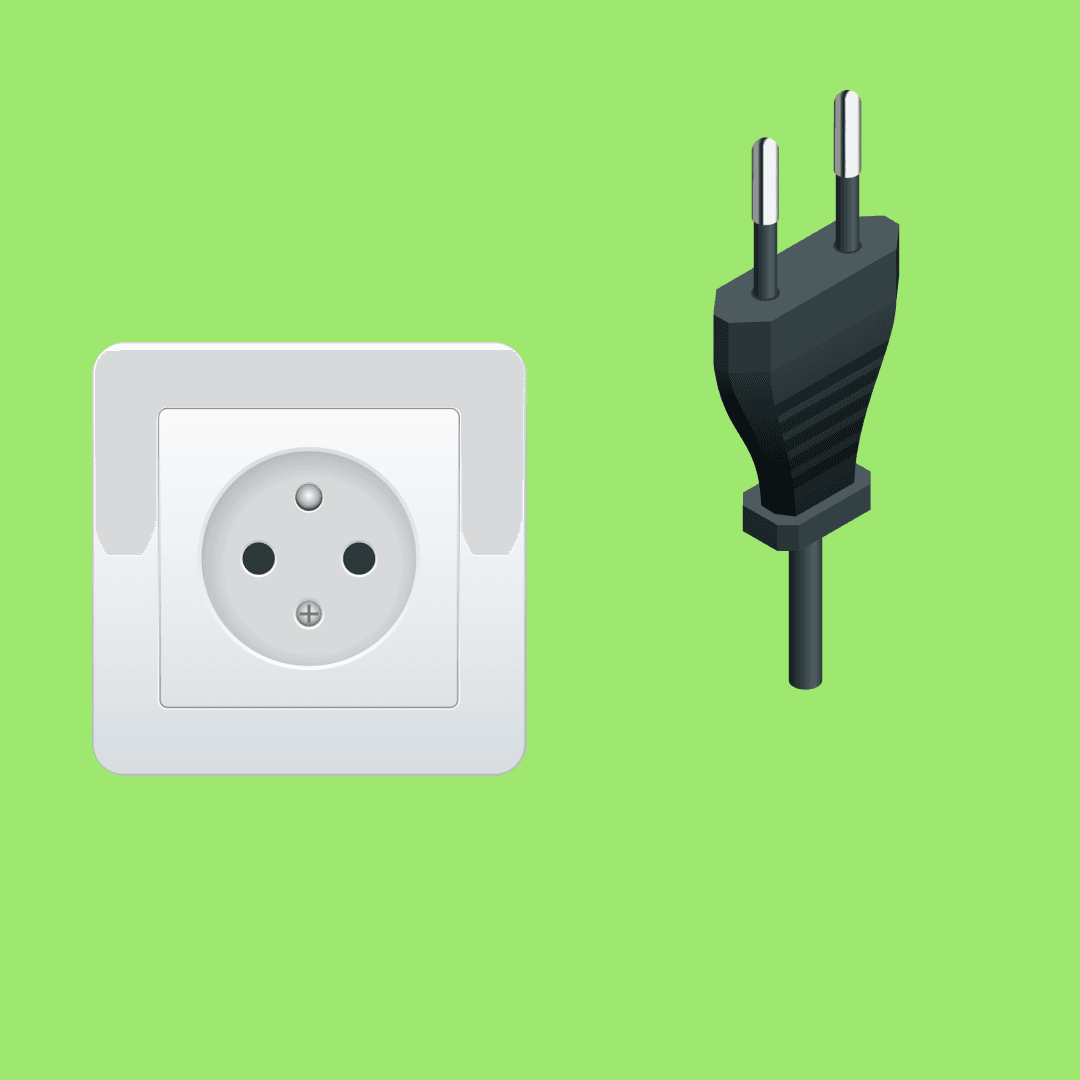
In Mozambique, different types of electrical outlets are used, varying by region and infrastructure.
- Type C : two-pin round outlet, widely used throughout Europe.
- Type F : also called the Schuko outlet, compatible with European Type E/F plugs.
- Type M : three-pin round outlet with thicker prongs, less common, primarily found in older buildings or certain rural areas.
Compatibility with Your Devices
You will find that Type C and F outlets are compatible with most standard European appliances, which eliminates the need for an adapter in most cases. However, Type M outlets are not compatible with standard European plugs, so you will need a specific adapter if you encounter this outlet type.
Tips for Choosing the Right Adapter
- Opt for a universal adapter that supports Type M, as not all adapters do.
- Systematically check the inscriptions on your chargers and appliances, particularly the "INPUT: 100–240 V, 50/60 Hz" label, which indicates compatibility with different international voltages.
- If you are coming from a country where voltage is lower than 220 V (such as the United States or Canada), you will also need a voltage converter to prevent damage to your devices.
Practical Tips for Travelers
Verify Device Compatibility
Before your departure, ensure that your devices are compatible with Mozambique's voltage and frequency. If the voltage used in your home country is equivalent (220–240 V), a converter will not be necessary. However, if you are coming from a country where standard voltage is 100–127 V, you will absolutely need a converter.
Common Appliances
- Phone, tablet, and laptop chargers : these are generally dual-voltage, meaning they operate at different voltages without issue. A simple plug adapter may suffice.
- Hair appliances (hair dryers, straighteners, curling irons) : these appliances consume significant energy. Even with a converter, their operation can be unstable and potentially dangerous. It is advisable to opt for models specifically designed for travel with built-in dual voltage.
Precautions in Case of Outages or Power Surges
Since electrical outages are possible, it is wise to carry a backup power source, such as an external battery or solar charger. Some tourist establishments or hotels may be equipped with generators, but this is not always the case. When traveling in rural areas, this precaution becomes even more important.
Where to Buy Adapters and Spare Parts
If you have forgotten your adapter or wish to purchase one locally, you can find them in major cities such as Maputo, in electronics stores or specialized shops. However, in more remote areas, the availability of such equipment may be limited, making it all the more important to prepare your gear thoroughly before departure.