Hlane Royal National Park
Hlane Royal National Park
300 km² of Swazi lowveld, four of the Big Five and 350 bird species: complete guide to Hlane Royal National Park in Eswatini.
Fall for this wild paradise in the heart of Eswatini (Swaziland). Hlane National Park is the ultimate gathering place for African wildlife, including four of the Big Five.
History
Hlane National Park, also known as Hlane Royal National Park, is an emblem of the Eswatini crown. Before its creation in 1967 at the request of King Sobhuza II, the reserve was the ground of the traditional Butimba (royal hunting grounds). Today, it is a protected area managed by Big Game Parks under the authority of King Mswati III. Etymologically, Hlane means "barren region," which captures its air of untamed remoteness and its relatively sparse human visitation.
Discovering Hlane National Park
If you have a sense of adventure and a suitable vehicle, you can visit the park independently (not recommended). Alternatively, by joining organized safaris, you're guaranteed not to miss the site's attractions. It's also worth knowing that for safety reasons related to poaching, it is advisable to be accompanied by a certified guide.
Hlane National Park spans 300 km² and comprises three distinct sections:
- the rhinoceros sanctuary,
- the lion zone,
- the wildlife-only section.
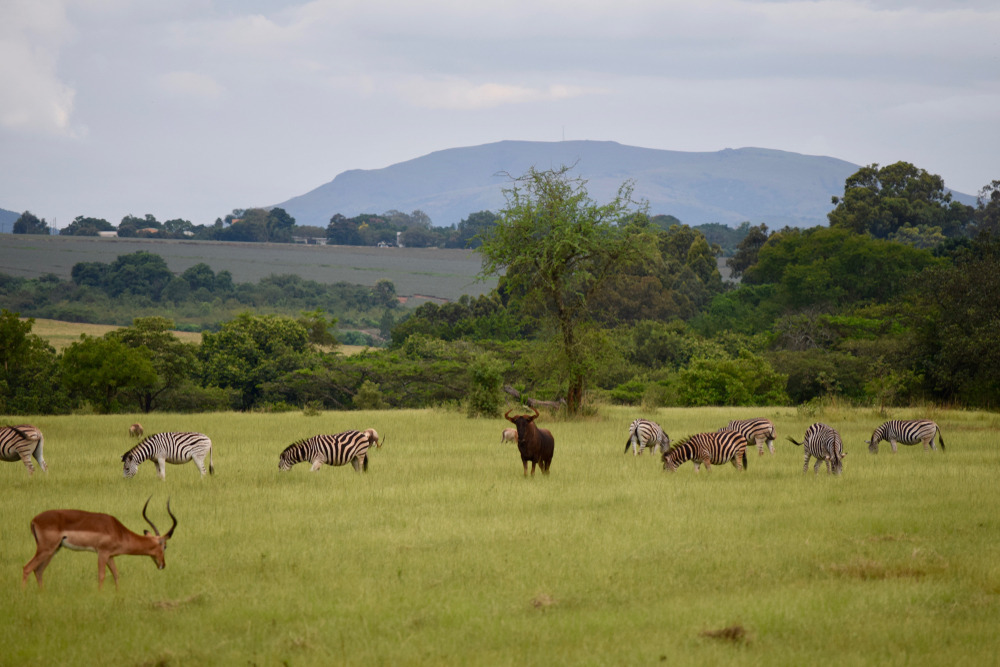
Besides the lion and white rhinoceros, the two other Big Five members present are the leopard and elephant (only the buffalo is absent).
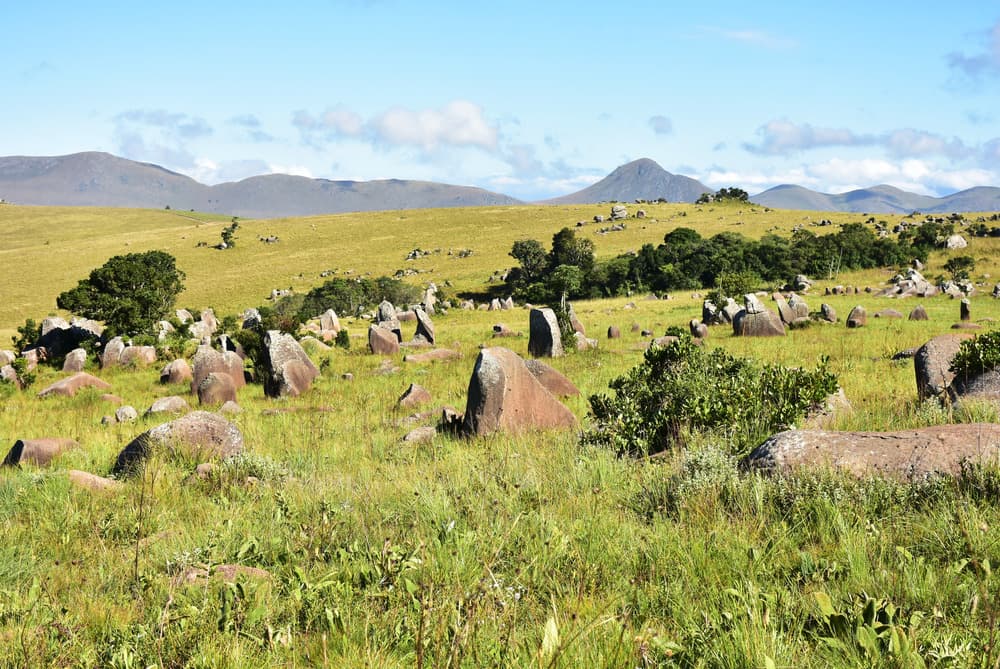
Birdlife also displays impressive diversity that will surely delight budding ornithologists. As for landscapes, with its savanna expanses and waterholes, the lowveld truly captures the essence of Africa.
Land of Lions
The lion holds an important place in Eswatini culture and tradition. It appears in the national coat of arms as a symbol of bravery and the king's authority, alongside the elephant which represents the queen mother. The Hlane reserve is a precious gem for the country, as not only do lions thrive here in abundance, but it is also a stronghold of this Swati royal culture.
Experience thrilling wildlife encounters
Hlane offers numerous routes for a safari in Mozambique rich in discovery. Venture out on a bicycle along the cycling trails that wind through the savanna. It's an excellent way to immerse yourself in the park's beauty. Picnic sites await you throughout the reserve to enjoy a meal in the bush. The most adventurous visitors can embark on nighttime excursions into the wilderness with a forest ranger to witness the hunting action under cover of darkness.
One of the park's most memorable scenes unfolds at the Ndlovu waterhole. From the nearby camp, you can observe wildlife gathering around the water point to quench their thirst. The Mahlindza Dam area also attracts a vast concentration of animals. Beyond the Big Five, you'll find impalas, white antelope, hyenas, kudu, not to mention zebras, giraffes and hippopotamuses.
Are you passionate about birdwatching? Rejoice—there are around 350 species to spot in Hlane National Park. Search for white-backed vulture colonies while keeping watch for the marabous that abound in the region.
Hlane National Park is located 70 km northeast of Manzini, which is home to the nearest airport. From the city, take the road towards Lomahasha. The reserve entrance is about 5 km south of Simunye. Buses can drop you off if you don't have your own transport.
Past the entrance, the trails inside the park are mostly dirt tracks. During dry periods, they can be traversed in a standard sedan. During the rainy season, a 4x4 is recommended, as the ground becomes treacherous.
When to Visit?
The Southern Hemisphere winter (mid-April to mid-October) is the most suitable period for safaris in Hlane National Park. The climate is mild during this season, allowing you to fully enjoy the circuits and local biodiversity.
Opening Hours and Fees
Unless you own a Wildcard, entry to Hlane National Park costs $3. Budget around $25 for a safari with a rental car. Night excursions are only possible if you book in advance. Otherwise, you must return to camp at sunset, as gates close at 6 PM. Unauthorized nighttime movements are strictly forbidden.
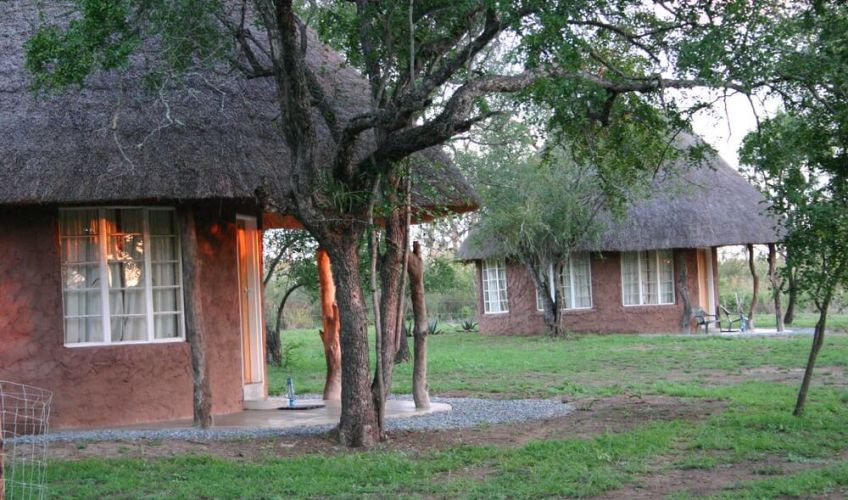
The park features two affordable accommodations: Ndlovu Camp and Bhubesi Camp, located about fifteen kilometers apart. The former nestles in the wildlife zone, while the latter welcomes you in a peaceful setting outside the endangered species section.
Accommodation in Hlane Royal National Park
Want to discover this destination?
Our local advisors design your tailor-made trip.