Balule Game Reserve
Balule Game Reserve
In the heart of Greater Kruger, Balule Nature Reserve sprawls across 40,000 unfenced hectares where Big Five, night safaris, and off-road exploration deliver total immersion.
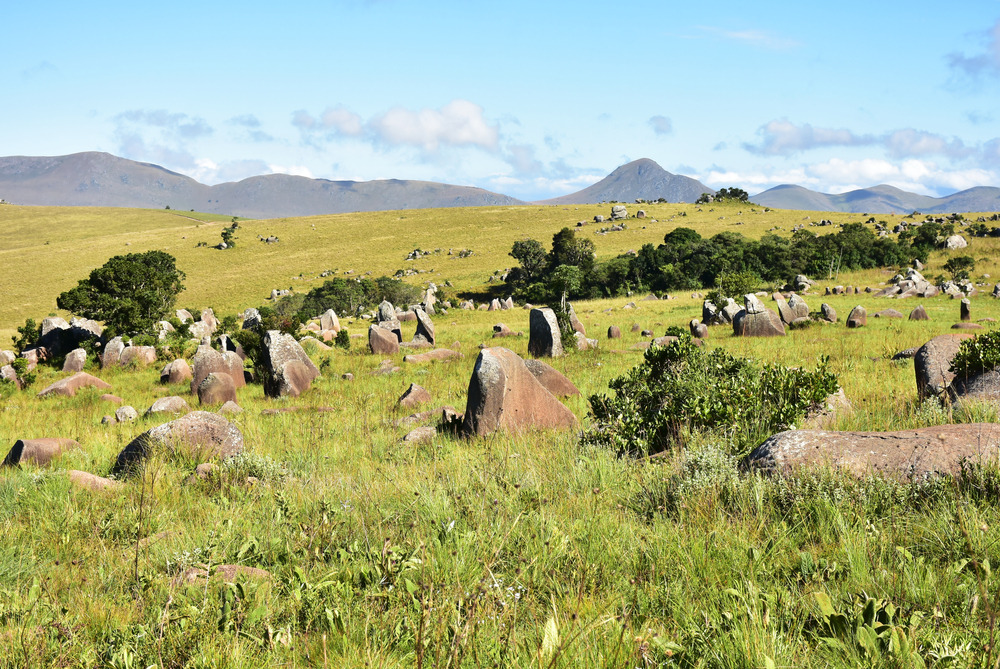
Situated at the edge of Kruger National Park, Balule Nature Reserve offers borderless safari experiences. Here, fences have vanished, replaced by a vast ecosystem where elephants, lions, rhinoceroses, and rare birds roam freely. Integrated into Greater Kruger, this private reserve captivates with its untamed landscapes, abundant wildlife, and open-vehicle or off-road safaris—a complete immersion into South African bushveld.
The Story Behind Balule
Originally, the territory was divided into private farms dedicated to game farming, separated by fences. In the early 1990s, landowners made a pivotal decision: remove the barriers to create a more natural space and foster conservation. Quickly, neighboring properties joined the initiative, forming a unified reserve. Recognizing the ecological benefits, Kruger National Park itself removed its own fences, integrating Balule into a vast transfrontier ecosystem.
Balule Today
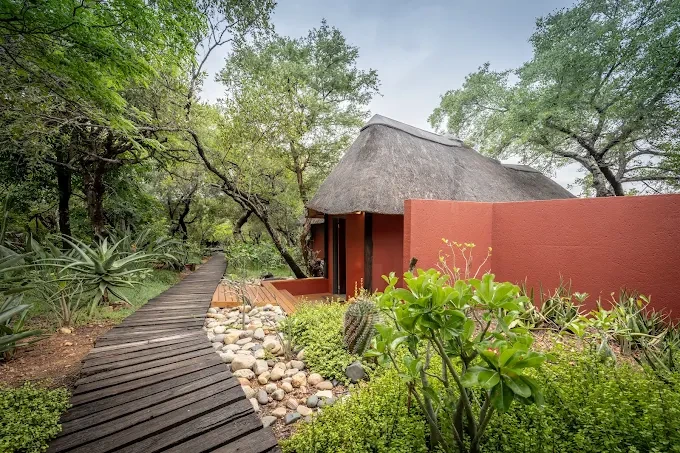
The reserve now covers approximately 40,000 hectares and continues to expand. Animals traverse freely across neighboring reserves, creating an observation experience true to their natural environment. Hunting is strictly regulated, prioritizing conservation-led management and sustainable tourism. Several lodges committed to sustainable practices welcome visitors for safaris and nature-centered stays.
Fauna and Flora of Balule Nature Reserve
- Remarkable Biodiversity: Varied vegetation providing natural habitat for abundant wildlife.
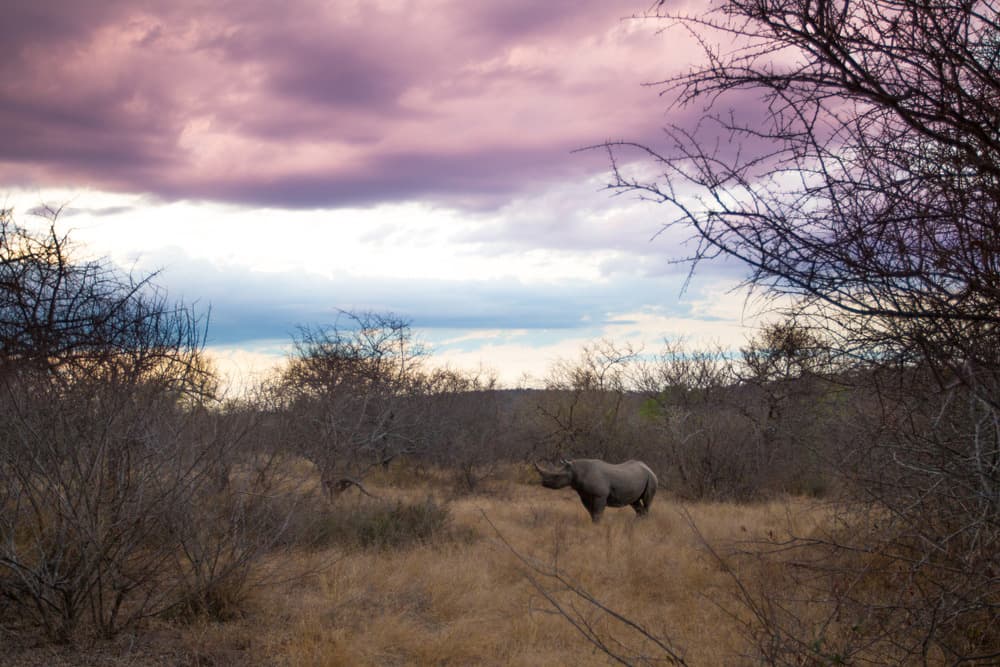
- The Big Five: Presence of five emblematic large mammals—lion, leopard, elephant, buffalo, rhinoceros.
- Mammals: Over 30 species, including zebras, wildebeest, giraffes, hippopotamuses, crocodiles, and cheetahs.
- Birds: More than 220 species documented, including raptors (martial eagle, white-backed vulture), rare species (Pel's fishing owl), and iconic birds (kori bustard, ground hornbill).
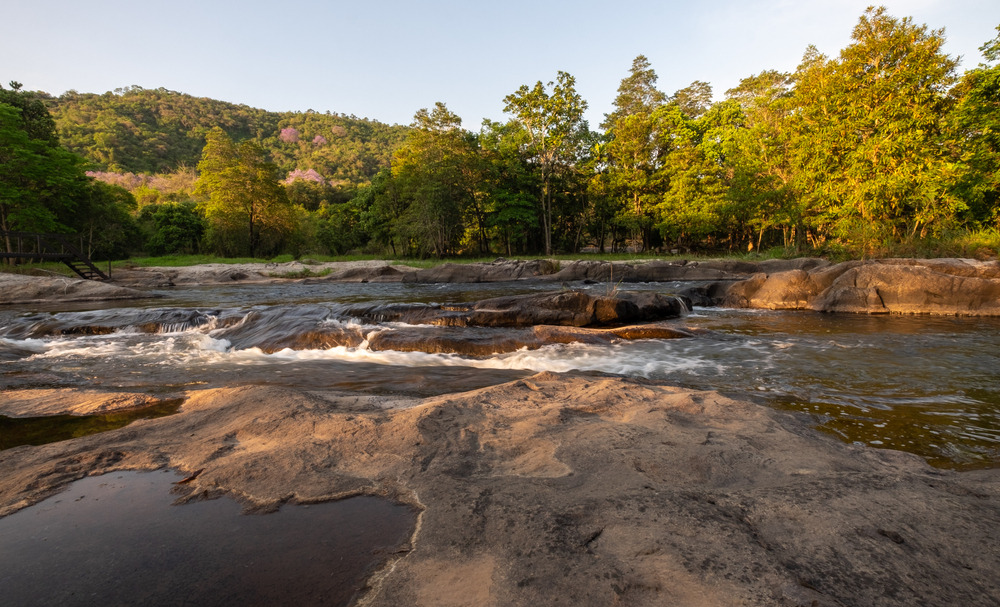
- Vital Water Points: Rivers and waterholes attracting wildlife during dry seasons—ideal for game viewing.
What to Do in Balule Reserve
- Open 4x4 Safaris: Hunt for Big Five and iconic wildlife during dawn and dusk expeditions led by experienced guides. Open vehicles offer total immersion in savanna landscapes—sights, sounds, scents, and sensations of the bush.
- Night Safaris: After dark, discover nocturnal wildlife under powerful spotlights—leopards, civets, genets, bush babies, and birds like the spotted eagle-owl.
- Guided Bush Walks: Accompanied by an armed ranger, explore nature on foot. Observe tracks, scat, sounds, and subtle animal behaviors beyond standard game trails.
- Birdwatching: Approximately 250 species inhabit the reserve, including several rare raptors. Spot the martial eagle, Pel's fishing owl, or white-backed vulture across habitats ranging from savanna to wooded riverbanks.
Complementary Activities Nearby
- Cultural Discovery: Visit a Shangaan village for insight into local traditions.
- Nature Excursions: Days in Kruger Park, horseback rides, or boat trips on the Olifants River.
- Animal Encounters: Moholoholo and Hoedspruit rehabilitation centers, or elephant interactions at a sanctuary.
- Breathtaking Vistas: Blyde River Canyon scenic drive.
- Aerial Adventure: Hot air balloon rides at sunrise.
When to Visit
- Dry Season (May to September): Recommended for spotting large animals, often gathered near water sources. Late season can be very arid, prompting migrations.
- Rainy Season (November to April): Ideal for birdwatching, with migratory species present.
How to Get There
- By Air: Balule is served daily by flights from Johannesburg, Cape Town, and Durban, landing at one of three nearby airports (Hoedspruit, Phalaborwa, or Nelspruit). Lodge transfers are arranged.
- By Road from Johannesburg: Approximately six hours.
- Follow N4 to Belfast, then pass through Dullstroom, Lydenburg, Origstad, and Abel Erasmus Pass.
- After Strydom Tunnel, continue to Hoedspruit.
- Take R40 toward Phalaborwa, then turn right at Olifants gate—the reserve's official entrance.
- Travel Assistance: For international flights and transfers, consult a specialist agent to tailor options to your safari itinerary.
Entrance Fees and Hours
- Adults (RSA / SADC): Approx. 128–257 ZAR/day (≈ €6–13)
- Children (RSA / SADC): Approx. 61–128 ZAR/day (≈ €3–6)
- International Visitors:
- Conservation Fee: 535 ZAR/adult, 267 ZAR/child (≈ €27–14)
- Vehicle Fee: 90–110 ZAR (≈ €5–6), depending on lodge
Opening Hours:
- Monday to Friday: 08:00–17:00
- Saturday: 08:00–12:00
Accommodation in Balule Game Reserve
Want to discover this destination?
Our local advisors design your tailor-made trip.