Gastronomy and Local Specialties
Located in southern Africa, Mozambique seduces with its natural and cultural wealth. Though less known for its cuisine, it offers a palette of unique flavors, inherited from African, Portuguese, Indian and Arab influences
Located in southern Africa, Mozambique seduces with its natural and cultural wealth. Though less known for its cuisine, it offers a palette of unique flavors, inherited from African, Portuguese, Indian and Arab influences. This guide takes you on a journey through a cuisine as varied as it is delicious.
Heritage and Culinary Influences
Mozambican cuisine is deeply multicultural. It reflects cultural exchanges between Africa, Europe and Asia, while celebrating local products from traditional agriculture.
A Solid African Foundation
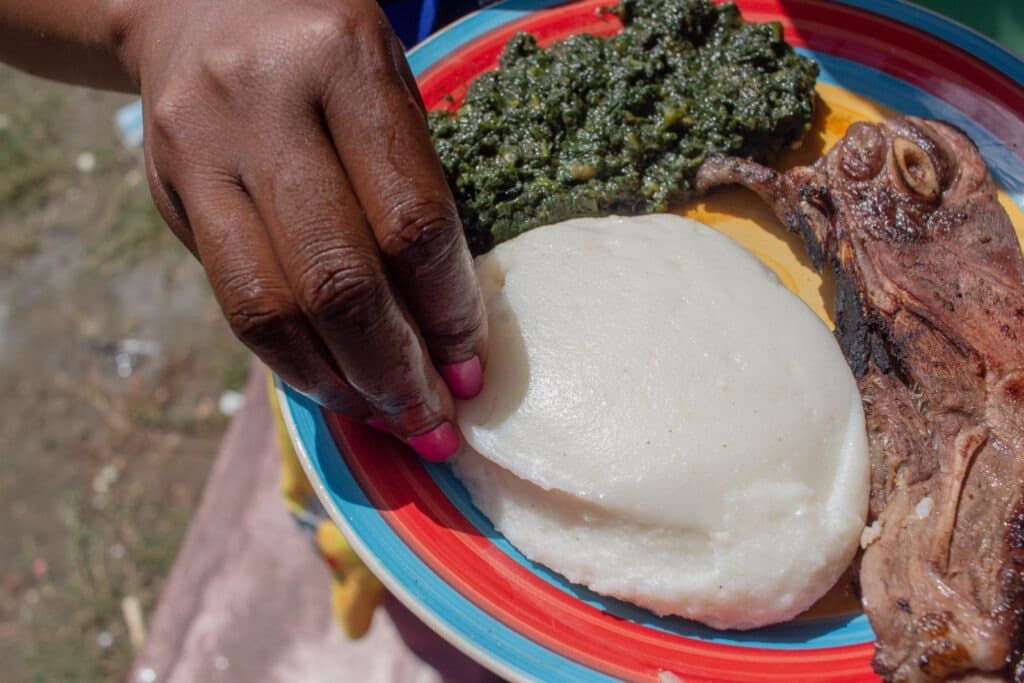
Daily meals rest on products such as corn (for xima, a dense porridge similar to polenta), cassava, beans, sweet potato leaves and peanuts. These simple ingredients lie at the heart of meals, enriched by sauces made with peanut oil.
Portuguese Influences
Four centuries of colonization left a strong mark on local dishes:
- Piri-piri, a spicy condiment made from chili, garlic and oil;
- Frango à Zambeziana, grilled chicken with coconut milk and piri-piri;
- Introduction of white bread, pastries and European cooking techniques.
Indian and Arab Contributions
Mozambique's maritime openness fostered the use of spices (curry, cumin, cinnamon) and coconut milk, particularly in fish and seafood dishes.
Emblematic Dishes
Combining seafood, flavorful meats and hearty side dishes, Mozambican cuisine seduces with simple yet striking flavor combinations.
Seafood
The coastline abounds with seafood, frequently grilled and seasoned with piri-piri.
- Camaroes (grilled and spiced shrimp);
- Gambas ao piri-piri, marinated then grilled;
- Crustaceans in sauce, such as Matapa or Carril de Amendoim (peanut sauce).
These dishes are typically served with coconut rice, which softens the spice level.
Meats
Among meat dishes, the most emblematic remains chicken à Zambeziana, infused with a marinade of coconut milk, lime, garlic and chili, then cooked over charcoal. You'll also find goat or beef stews, and picanha, a Brazilian-influenced grilled beef cut.
Essential Sides
- Xima: thick porridge of corn or cassava, replacing bread.
- Plain rice or coconut rice
- Leafy vegetables (cassava, sweet potato), beans and tomatoes, often incorporated into sauces.
- Piri-piri: frequently present at the table to adjust spice levels.
Street Food and Sweets
Typical Snacks
Markets and street vendors offer:
- Samosas (stuffed pastries), shrimp rissoles;
- Coconut fritters, pãozinho (small Portuguese breads);
- Grilled corn, fresh fruit by the roadside.
Desserts and Tropical Fruits
- Coconut rice pudding, scented with lime;
- Pastéis de nata, Portuguese custard tarts with puff pastry;
- Mango, papaya, pineapple or cashew nuts, often enjoyed fresh.
Local Beverages
- Local beers: Laurentina and 2M, light blondes appreciated for their refreshing quality.
- Fresh juices: pineapple, mango, papaya or orange.
- Wines: often imported from Portugal or South Africa.
It's best to avoid tap water; opt instead for bottled water.
Where to Discover Mozambican Cuisine
Restaurants
In Maputo, Inhambane or Beira, numerous establishments allow you to taste a wide variety of regional specialties. Maputo's central market is a privileged place to savor fish, local spices and typical dishes such as Matapa. In Vilanculos, some establishments offer culinary workshops.
Markets
Culinary markets emerge as must-visit places to immerse yourself in the diversity of local products. In Maputo, Inhambane or Nampula, you'll find tropical fruits, cashew nuts, spices, fish and vegetables.
Culinary Workshops
In Vilanculos in particular, you can learn local cooking techniques: shopping at the market, preparation under a chef's guidance, then a convivial meal. An immersive experience into local culture.
Specialties Not to Miss
Here are 5 typical dishes to savor during your stay:
- Piri-piri chicken: emblematic, spiced, marinated and grilled.
- Matapa: a stew of cassava leaves, peanuts and coconut milk, sometimes garnished with shrimp.
- Seafood curry: scented with coconut milk, spices and tomatoes.
- Pãozinho: crispy small Portuguese bread.
- Galinha à Zambeziana: a variation of piri-piri chicken with lime and coconut milk.
- Piri-piri can be very hot! If you're sensitive to spice, don't hesitate to ask for a milder version. Most restaurants are happy to adapt.