Language and Local Culture
Mozambique stands as a meeting point of civilizations, shaped by centuries of maritime exchange, cultural blending, colonial rule, and struggles for sovereignty. This captivating country presents a cultur
Mozambique stands as a meeting point of civilizations, shaped by centuries of maritime exchange, cultural blending, colonial rule, and struggles for sovereignty. This captivating country presents a cultural mosaic where African traditions, Arab heritage, and Portuguese influence converge. At the heart of this richness lie the languages: not only Portuguese, the official tongue, but also more than 40 local languages that express the country's identity, memory, and diversity. They embody living relays of tradition, perceptible in songs, ceremonies, bustling markets, and stories passed down through generations.
A Cultural Kaleidoscope
Mozambique is a land of cultural blending, where diverse traditions have left their marks over time, and languages often serve as the thread connecting these heritages.
Cultural Origins:
- African: Bantu cultures, ancestral rites, woodcraft, traditional music (often sung in local languages).
- Arab: influence of Swahili trade, textiles, mosques, and coastal markets (where Arabic and local languages long coexisted).
- Portuguese: the national language, colonial architecture, Catholicism.
Visible Legacies:
- Architecture: stone houses on the island of Mozambique, colonial buildings, coastal mosques.
- Clothing: colorful capulanas, ethnic patterns transmitted with their names in the original language.
- Beliefs: syncretism between Christianity and local spiritual beliefs, often expressed through songs and proverbs in mother tongues.
Emblematic Traditions:
- Marrabenta: popular music born in Maputo, blending African rhythms, texts often in Tsonga, and modern guitars.
- Ancestral Ceremonies: rites of passage or tributes to ancestors, with ritual songs and invocations in the languages of each community.
Did You Know?
Inscribed on the UNESCO World Heritage List, the island of Mozambique long held a key position in Swahili trade networks. Portuguese, Arabic, and local languages were all spoken there, a linguistic diversity still perceptible today in its markets and places of worship.
Languages That Rhythm Daily Life
The official language of the country, Portuguese is used in institutions, the education system, and media channels. It is primarily spoken in urban centers and by younger generations. Yet it is the local languages that reflect the realities of daily life, emotions, and lived culture.
Major Local Languages:
- Makua (Emakhuwa): spoken by 25% of Mozambicans, especially in the north.
- Tsonga (Xichangana): in the southeast and around Maputo.
- Sena (Chisena): in central provinces such as Sofala and Tete.
These languages are the vehicles of folktales, songs, proverbs, historical narratives, and even medicinal knowledge transmitted orally. They are also spoken in markets, families, and ceremonies.
Languages and Music:
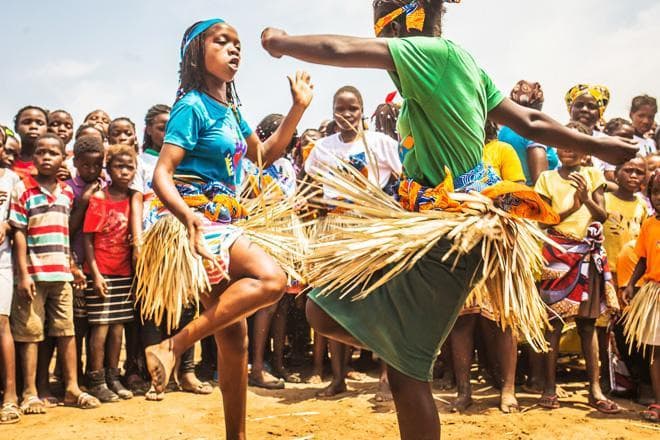
Tsonga accompanies the festive dances of the south, Makua rhythms the traditional chants of the north, and Sena is often used in lullabies and oral poetry. These languages give form and meaning to musical culture.
Speak Like a Mozambican!
- Hello: Moni (Makua), Xewani (Tsonga), Amunyadzi (Sena)
- Thank You: Nkosi (Makua), Ndza khensa (Tsonga), Zikomo (Sena)
- Goodbye: Tsalani bwino (Makua), Sala kahle (Tsonga), Tsala bwino (Sena)
Experiencing Local Culture
Exploring Mozambique means immersing yourself in a living, multilingual culture, shaped by the sounds, rhythms, and voices that animate each region.
Listening to Traditional Music:
- Marrabenta: born in the 1950s, this urban music often incorporates lyrics in Tsonga or Portuguese.
- Where to hear it? Centro Cultural Franco-Moçambicano or Marrabenta Festival (February).
- Tufo: songs and dances of Islamic origin in local languages, performed by women in capulanas.
- Where? In Nampula or on the island of Mozambique, during religious festivals.
Dance & Ceremonies:
- Makonde dances with masks and percussion in Cabo Delgado (local language omnipresent in the chants).
- Rites of passage accompanied by traditional polyphonic songs.
- Tip: participate via a local guide or operator who can help you understand the sung words.
Markets, Festivals, Encounters:
- Artisan Markets: at FEIMA (Maputo), objects bear names often untranslatable, transmitted in their original language.
- Festivals:
- AZGO Festival (May) – multilingual music, dance, contemporary arts.
- Festival of the Island of Mozambique (August) – theater in local languages, parades, community songs.
- Cultural Experiences: cooking workshops (with local dish names), capulana weaving, cooperative visits.
Must-see: Every Saturday at FEIMA (Maputo), you'll hear live music in local languages, chat with artisans, and taste dishes whose names tell their own stories.
Traveling with Respect
Traveling in Mozambique also means learning to listen to the voices of the country. Local languages, rich in imagery, proverbs, and stories, are symbols of identity. Using them, even briefly, is a gesture of humility and openness.
Simple Gestures for Respectful Immersion:
- Observe rituals without interrupting: the words spoken may carry sacred meaning.
- Ask before photographing: certain songs or oral symbols should not be captured.
- Adapt your dress in rural areas: a sign of cultural respect as much as linguistic.
- Avoid quick judgments: a local word may carry a world of meaning.
Small Gestures, Big Impact:
- Greet in Makua or Tsonga (Moni! Ndza khensa!).
- Listen to a tale in its original language.
- Learn the name of a dish in a local language.
- Sing a refrain with local musicians.