Pemba and Quirimbas
Thirty-two coral islands stretching off northern Mozambique, the Swahili heritage of Ibo and pristine reefs accessible only by dhow or charter plane from Pemba.
The Quirimbas archipelago stretches nearly 200 kilometres off the coast of Cabo Delgado province in Mozambique's far north. Thirty-two coral islands aligned between the Rovuma estuary—Tanzania's border—and Pemba Bay. From our office in Maputo, we treat this region as a distinct proposition: it demands commitment, requires two domestic flights and precise logistics, yet it preserves an atmosphere long departed from the country's south.
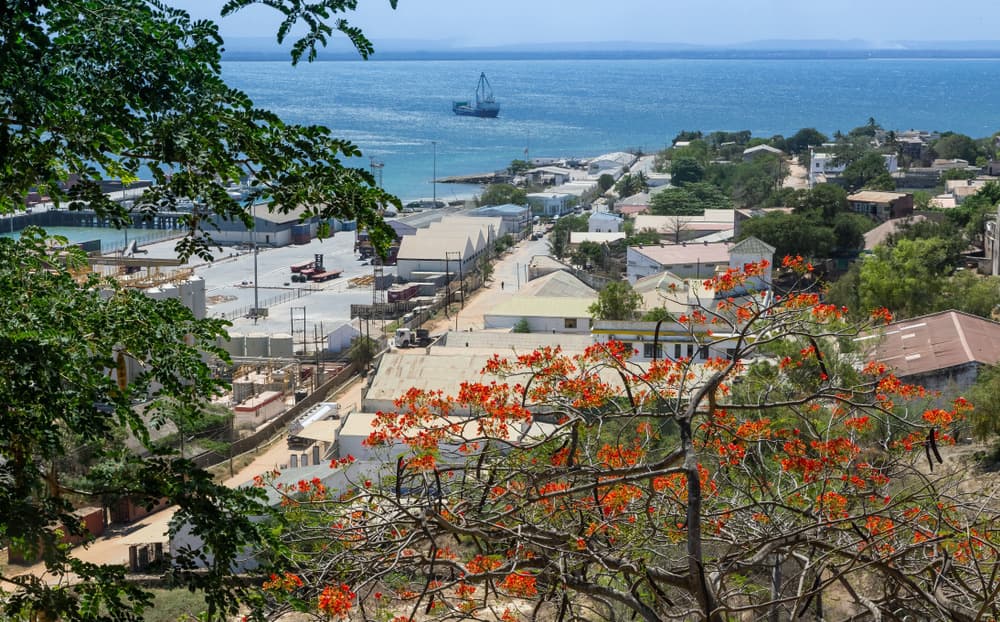
Pemba, the provincial capital, sits on the world's third-largest natural bay. The city functions as an air hub via Nampula from Maputo, and as a logistical base for reaching the islands by charter plane or dhow depending on weather. The Wimbe neighbourhood lines up a handful of hotels and fish restaurants; the central market concentrates Makua and Mwani activity—the two peoples who structure life in the region. Emakhuwa and Kimwani are spoken far more often than Portuguese here, and Swahili culture remains legible in the architecture, coconut-milk cuisine, and the rhythm of prayers.
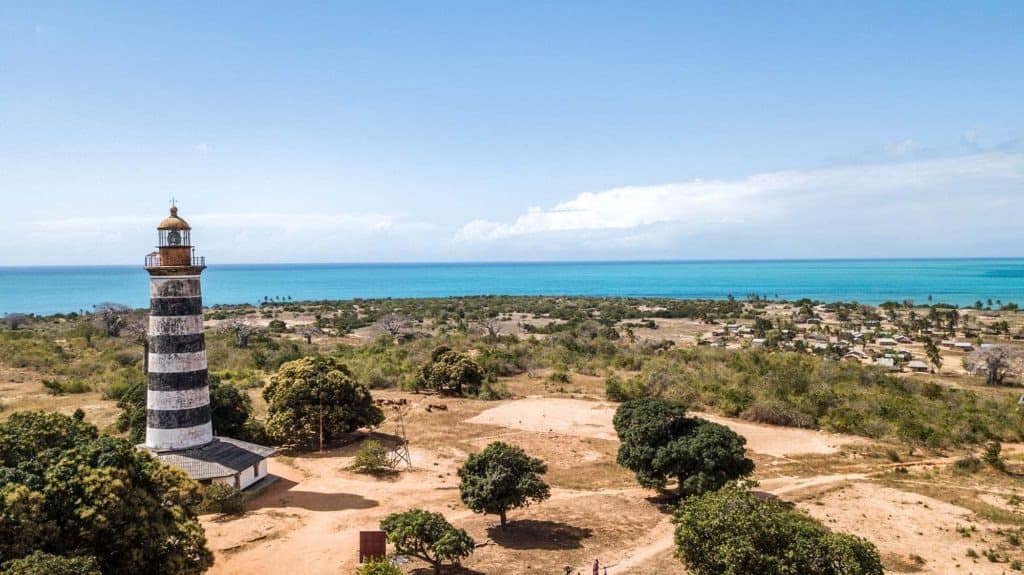
Ibo Island concentrates the Quirimbas' historical memory. Once an Arab trading post and then Portuguese settlement from the 16th century onward, it preserves three forts including São João Baptista, completed in 1791, ruins of colonial houses reclaimed by plumeria trees, and a community of silversmiths still hammering filigree in small workshops near the old port. The crossing from Tandanhangue at high tide, by lateen-sail dhow, takes one to two hours depending on the wind. At low tide, you walk through mud for several hundred metres before boarding.
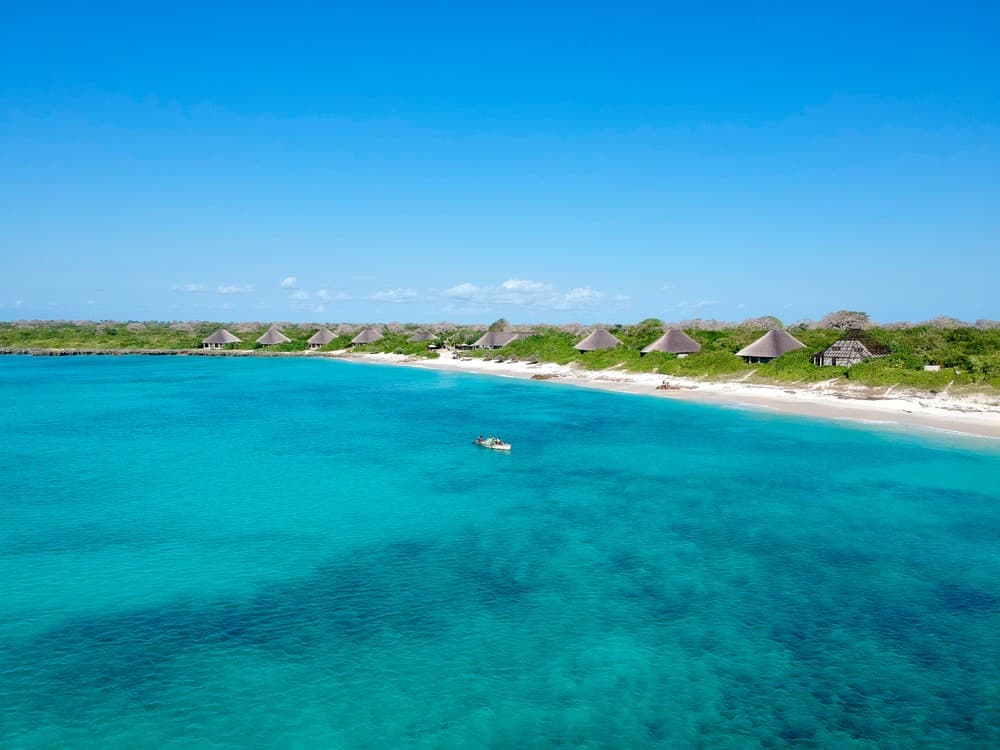
Further north, Quirimba, Matemo, Medjumbe, Vamizi and Rongui each offer different configurations. Quirimba is inhabited, planted with coconut groves belonging to the Gessner family since the early 20th century. Matemo combines a fishing village with an isolated lodge. Medjumbe is a private island with a single lodge, one kilometre long, surrounded by a reef accessible by fins from the beach. Vamizi, at the far north, shelters one of the western Indian Ocean's most active green sea turtle nesting sites, monitored by a research station. The coral reefs of the zone, classified as the Quirimbas National Park since 2002, have not undergone the mass bleaching observed elsewhere.
The local economy rests on artisanal fishing, copra cultivation, and historically, sea salt evaporated in Ibo's salt pans. The cuisine blends matapa of manioc leaves pounded with coconut milk, fish grilled over mangrove-wood embers, and manioc flour flatbreads. Mwani women still wear the m'siro, this white mask made from ground mtsiro bark that protects skin from the sun and which you encounter daily in Ibo's alleys.
We must state clearly one point: Cabo Delgado province has faced unstable security conditions since 2017 linked to armed conflict in several interior districts. The southern Quirimbas zone and certain land access points have been affected at different periods. We reassess each itinerary at the time of booking based on recommendations from the French Ministry of Foreign Affairs and information from our local partners in Pemba. Some islands remain operational and safe, others do not, and the situation evolves.
To discover
The São João Baptista fort on Ibo. Built in 1791 facing the channel, its coral stone walls still shelter silversmiths' workshops where filigree is hammered according to techniques passed down since the Swahili era.
Dhow crossing to Ibo. One to two hours of lateen-sail navigation from Tandanhangue, through mangrove channels, timing departure for high tide to avoid walking through mud.
Diving on Medjumbe's reef. Coral walls from 8 metres depth, eagle rays and hawksbill turtles on a reef that has not experienced mass bleaching, accessible directly from the beach with fins, mask and snorkel.
Turtle nesting at Vamizi. Between October and March, green sea turtles climb the island's northern beaches to nest, monitored by a research station that occasionally opens nighttime outings to visitors.
Pemba's fish market. From 6am on Paquitequete beach, pirogues unload king mackerel, squid and parrotfish sold by auction to the mamas who head back to inland markets.
When to go
The dry season runs from May to November. Temperatures range between 24°C at night and 30°C in the day, with clear skies, moderate trade winds, and 26°C seas. This is the window we recommend for the Quirimbas: underwater visibility of 20 to 30 metres, reliable dhow or charter transfers, exposed beaches without heavy swell. June to August are the coolest months, September and October the most stable for diving.
From December to April, the rainy season brings short but intense showers, temperatures climbing to 33-34°C with high humidity, and cyclone risk on the northern coast in February and March. Inter-island transfers become unreliable, some lodges close from mid-January through late March. If you wish to see turtle nesting at Vamizi, the October to December window still offers decent weather combined with the season's first nestings.
Practical tips
Budget a minimum of 5 nights on the islands for the air logistics (Maputo-Nampula-Pemba then charter to an island) to be worthwhile. A typical 7 to 8-night combination pairs two nights on Ibo for history and culture, then four to five nights on a more isolated island like Matemo, Medjumbe or Vamizi for diving and rest. The entry point is Pemba airport, served daily by LAM from Maputo via Nampula, total flight time around 3h30 excluding stopover.
The Quirimbas mix poorly with the rest of the country for distance reasons: we advise against combining with Bazaruto to the south on the same trip under 15 days. However, extending to Gorongosa National Park in the centre works for a 12 to 14-night journey combining safari and beach. Comfort levels on the islands range from simple lodges in bandas (Ibo, Quirimba) to high-end boutique hotels (Medjumbe, Azura Quilálea, Vamizi). This region suits contemplative travellers, divers, and couples seeking seclusion. It suits families with young children poorly due to multiple flights and the absence of advanced medical infrastructure.