Masorini Archaeological Site
Masorini Archaeological Site
At the heart of Kruger Park, Masorini preserves the remains of a 19th-century village of baPhalaborwa master craftsmen, restored in the 1970s.
Within Kruger National Park in South Africa, the Masorini archaeological site preserves traces of a village of iron metallurgists from the baPhalaborwa people. Clay furnaces, reconstructed huts and a small interpretation museum tell the story of a prosperous iron economy in the 19th century, integrated into a long-distance trade network.
Why visit Masorini
Masorini is a worthwhile complement to a Kruger visit, better known for its wildlife than its human heritage. The site showcases precise technical expertise: the production of iron from local ore, in dome-shaped clay furnaces, fed by animal-skin bellows and earthenware pipes. This archaeological dimension shifts perspectives on the park, often perceived solely as a nature reserve.
The visit is brief (allow 1 to 1.5 hours on site) and fits easily into a day of safari near the Phalaborwa gate.
Site history
Occupied in the 19th century, Masorini was inhabited by metallurgist craftsmen of the baPhalaborwa people, specializing in the manufacture of spears, agricultural tools and iron arrows. Local production exceeded the village's needs: iron served as a trade good in a commercial network linking the hinterland to East African coasts, where Swahili, Arab and, later, Portuguese merchants circulated.
The site was abandoned in the late 19th century, then restored in the 1970s by Kruger Park authorities. Several traditional huts were rebuilt with the participation of local communities, and a restored furnace was highlighted at the top of the hill overlooking the village.
What to see on site
- The restored furnace at the summit of the hill: direct testimony to the iron metallurgy practiced by the baPhalaborwa, with views over the surrounding savanna.
- The reconstructed traditional huts: rebuilt using ancient techniques, they give a concrete sense of the village's layout.
- The remains of metallurgical installations: dome-shaped clay furnaces, traces of animal-skin bellows and earthenware pipes.
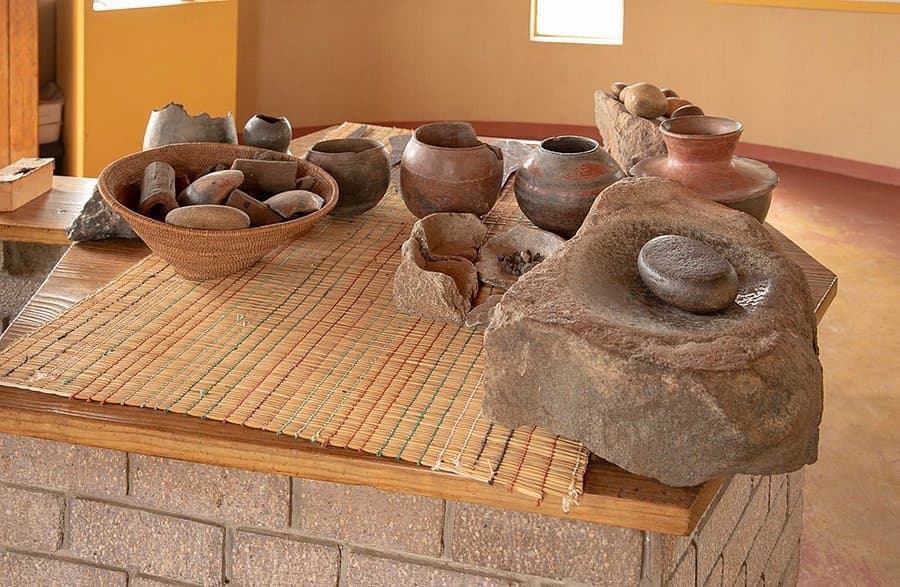
- The small interpretation museum: artifacts, scale models and explanatory panels that place the site in its regional and commercial context.
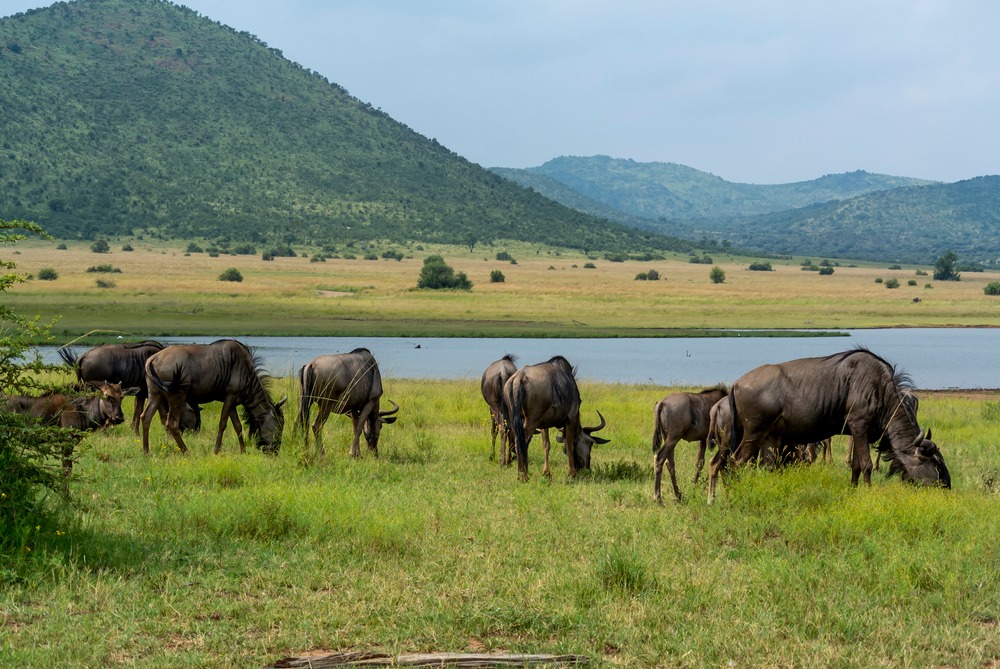
- Wildlife in the surrounding area: rock hyraxes frequently spotted near outcrops, raptors exploiting thermals above the hill.
Practical information
Masorini is explored on foot, following a marked trail that leads to the summit furnace. The route is short but includes a moderate climb; closed-toe shoes are recommended. Local guides may be available on site to comment on the visit, which significantly enhances understanding of the site.
Entry is included in the Kruger Park entrance fee (moderate rate, higher for non-residents). Hours follow those of the park, with early morning opening and late afternoon closure, varying by season.
When to visit
The dry season, from May to September, offers the most comfortable conditions: cool mornings, low humidity, good visibility for wildlife along the access road. October and November mark the transition to the rainy season, with greening vegetation and warmer temperatures. From December to March, heat and showers can make the visit less enjoyable, although landscapes are then more lush.
How to get there
Masorini is located in the northern sector of Kruger, accessible via the Phalaborwa gate. From this entrance, reach the site by following road H1-4 north for approximately 25 kilometers; signage is clear.
From Hoedspruit, take the R40 road east to Phalaborwa, then enter the park via the Phalaborwa gate. Without a personal vehicle, buses connect Hoedspruit to Phalaborwa, and you can then book a guided tour including transport to the site.
Nearby
The Phalaborwa sector allows you to combine Masorini with other sites in the region. To the southwest, the Blyde River Canyon offers spectacular views over the Drakensberg escarpment. Further north, in a different travel context, Gorongosa National Park continues your discovery of southern Africa's vast wilderness.
Frequently asked questions
Frequently asked questions
Allow 1 to 1.5 hours on site, to walk the trail, climb to the summit furnace and visit the small interpretation museum.
No, the site can be visited freely thanks to explanatory panels and marked trails. A local guide, when available, provides valuable insight into baPhalaborwa metallurgy and the regional commercial context.
The trail has a moderate climb to the summit furnace, making wheelchair access difficult. The immediate surroundings of the parking area and huts remain accessible, however.
No, entry to the site is included in the Kruger Park entrance fee. No separate ticketing is required.
Go further
To incorporate Masorini into a broader itinerary combining heritage and wilderness, consult our travel ideas for Mozambique and the region.

Interested in this visit?
We can include it in your personalised itinerary.